Jono Maryono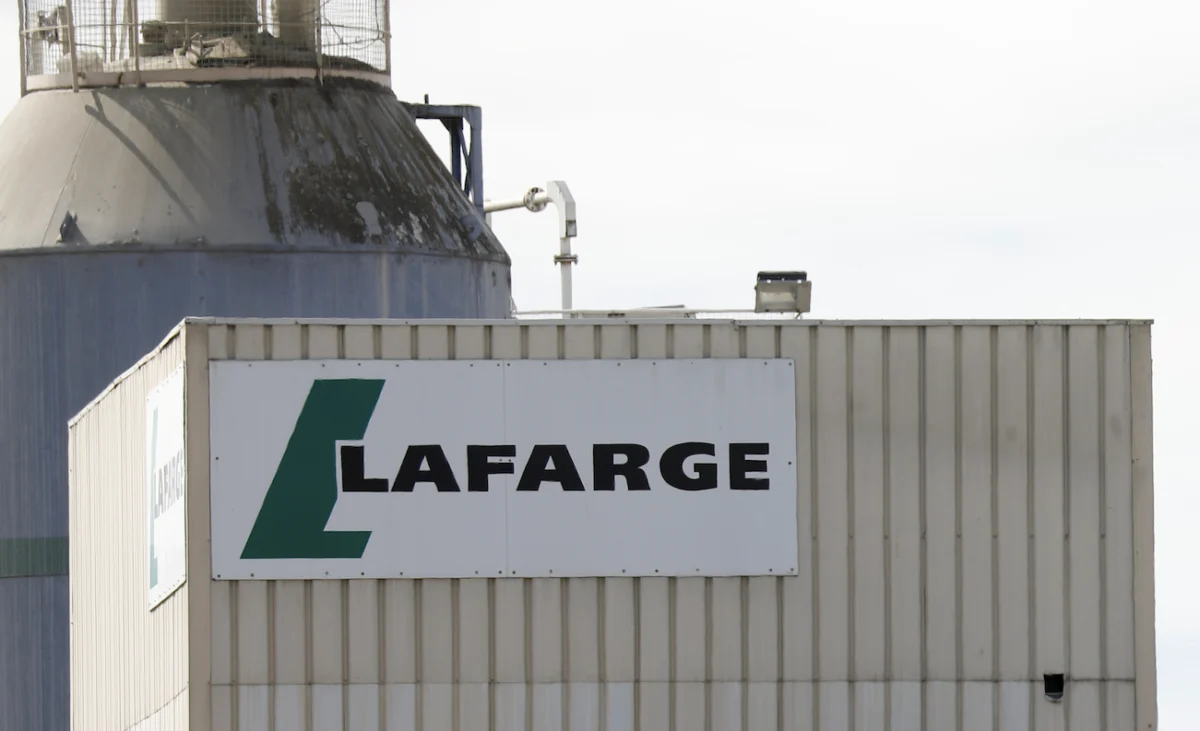
A landmark ruling by a French court has found the global cement giant Lafarge guilty of financing terrorist organizations, specifically the Islamic State of Iraq and the Levant (ISIL) and the al-Qaeda-affiliated Nusra Front, during the height of the Syrian civil war. The conviction, announced on April 13, 2026, marks a significant moment in corporate accountability, holding a major multinational corporation responsible for its complicity in funding extremist groups through illicit payments made between 2013 and 2014. Prosecutors presented evidence that the company channeled millions of dollars to these militant factions to ensure the continued operation of its cement factory in Jalabiya, northern Syria, effectively buying a form of protection in a war-torn landscape.
The Dark Dealings in Syria: Background and Chronology
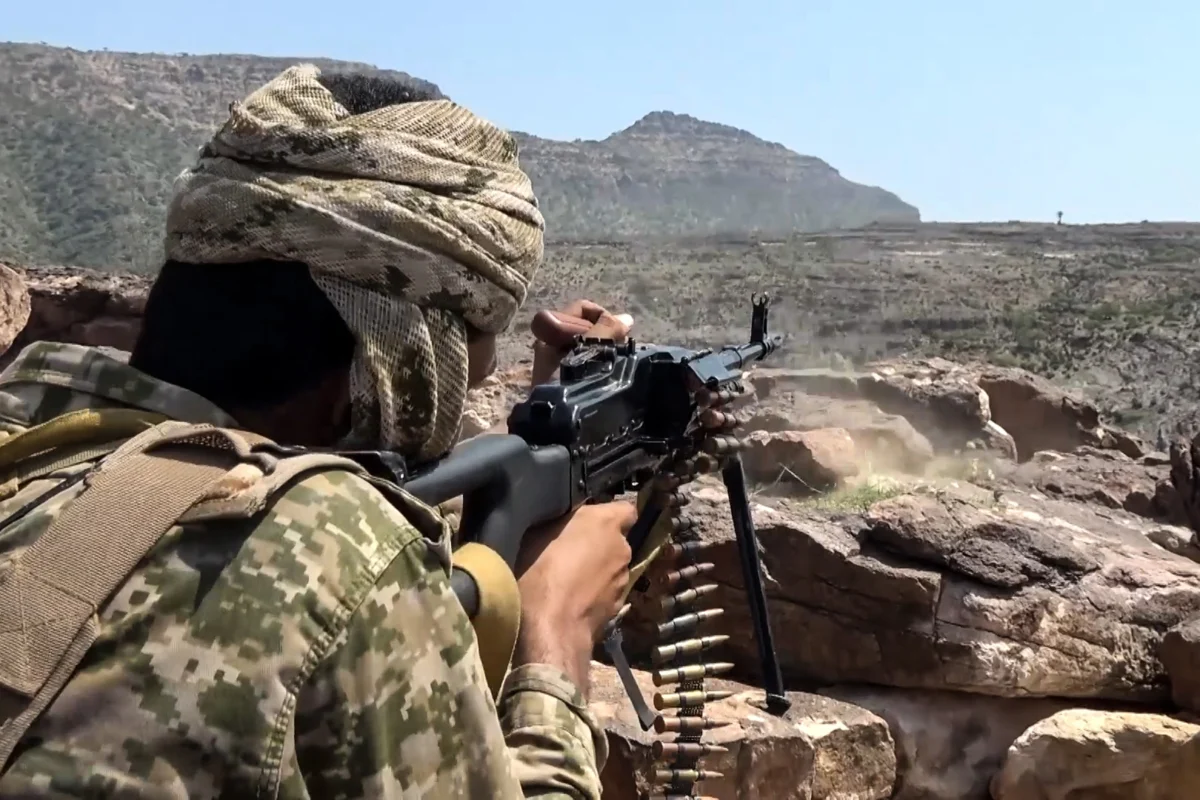
The Syrian civil war, which erupted in 2011, rapidly devolved into a complex and brutal conflict involving a multitude of armed groups, including increasingly powerful jihadist organizations. Lafarge, a company with a significant global footprint, operated a cement plant in Jalabiya, strategically located in an area that became a crucial battleground and later a stronghold for extremist factions. As the conflict intensified, the company found itself in an untenable situation, facing both the threat of direct violence and the disruption of its supply chains and operations.
In an effort to circumvent these challenges and maintain its economic interests, Lafarge embarked on a perilous path. The company’s management, according to the prosecution, authorized and facilitated a series of payments to armed groups controlling territories surrounding its factory. These payments, described as "protection fees" or "arrangements," were designed to allow its trucks to pass through checkpoints and its workers to operate with a semblance of security.
The timeline of these illicit dealings, as pieced together by investigators, paints a disturbing picture:
- 2011-2012: The Syrian civil war begins, leading to widespread instability and the fragmentation of control across the country. Lafarge’s Jalabiya plant continues to operate, but under increasingly challenging conditions.
- Early 2013: As extremist groups like ISIL and the Nusra Front gain prominence and territorial control in northern Syria, the pressure on Lafarge’s operations intensifies.
- Mid-2013 onwards: Evidence suggests that Lafarge began making direct or indirect payments to these groups. These payments were allegedly channeled through intermediaries and shell companies to obscure the true beneficiaries. The stated purpose was to ensure the safety of personnel and the unimpeded movement of goods.
- 2014: The scale of these payments is reported to have reached significant levels, amounting to millions of dollars. During this period, ISIL’s influence expanded dramatically, and its control over key regions in northern Syria became absolute. The Nusra Front, also a designated terrorist organization, operated in adjacent areas.
- 2014-2015: Lafarge eventually ceased its operations in Syria, citing the deteriorating security situation and the eventual takeover of the Jalabiya plant by ISIL. The company’s decision to withdraw was seen by some as a consequence of the unsustainable costs and risks associated with its clandestine arrangements.
- Post-Syria Withdrawal: Investigations into Lafarge’s activities in Syria began to surface, particularly after the company’s merger with Holcim in 2015. Whistleblowers and internal documents reportedly played a crucial role in bringing the allegations to light.
- Indictments and Trial: In 2017, Lafarge was indicted in France for complicity in crimes against humanity and financing terrorism. The ensuing legal battle has been protracted, involving complex arguments about corporate responsibility, intent, and the nature of the payments.
- April 13, 2026: The French court delivers its verdict, finding Lafarge guilty of financing terrorism.
Supporting Data: The Scale of Illicit Payments
While the exact figures remain subject to legal scrutiny and varying interpretations, the prosecution has presented evidence suggesting that Lafarge paid approximately €14.7 million (equivalent to roughly $15.8 million USD at the time of the payments) to various armed groups between 2013 and 2014. This substantial sum was allegedly distributed to at least three factions, including ISIL and the Nusra Front, to facilitate the continued operation of its Jalabiya cement plant.
The nature of these payments was reportedly complex, involving not only direct financial transactions but also agreements that allowed the company to procure raw materials from territories controlled by these groups. The prosecution argued that these arrangements were not merely humanitarian efforts or unavoidable business necessities but deliberate decisions made by Lafarge’s senior management to profit from a conflict zone, even at the cost of supporting designated terrorist organizations.
The financial implications for Lafarge extended beyond the direct payments. The cost of maintaining operations under such duress, the eventual loss of its Syrian assets, and the protracted legal proceedings have undoubtedly inflicted significant financial damage on the company.
Official Responses and Legal Ramifications
The verdict against Lafarge has been met with a mixture of condemnation and calls for greater corporate accountability.
Prosecutors hailed the ruling as a victory for justice and a clear signal that multinational corporations cannot operate with impunity, even in the most challenging environments. They emphasized that the evidence clearly demonstrated Lafarge’s knowledge and complicity in financing terrorism, irrespective of the company’s purported justifications.
Lafarge, through its representatives, has expressed its regret over the situation but has maintained that the company acted in good faith to protect its employees and assets. The company has stated that it will review the court’s decision and consider its legal options. The conviction carries significant implications for Lafarge, including potential fines and reputational damage that could impact its future business dealings and investor confidence.
Legal experts have pointed out that this case sets a crucial precedent for corporate accountability in relation to terrorism financing and complicity in international crimes. The French legal system’s willingness to prosecute a multinational corporation for such offenses underscores a growing global trend towards holding businesses responsible for their actions, even when those actions occur in complex geopolitical contexts. The ruling could embolden similar investigations into other companies that may have engaged in questionable practices in conflict zones.
Victims’ groups and human rights organizations have welcomed the verdict, viewing it as a step towards justice for those who suffered under the brutal regimes of groups like ISIL. They argue that the company’s actions, by providing financial support to these organizations, indirectly contributed to the suffering and atrocities committed by them.
Broader Impact and Implications: Corporate Responsibility in Conflict Zones
The Lafarge conviction is more than just a legal judgment; it is a potent reminder of the profound ethical and legal responsibilities that multinational corporations bear, particularly in regions affected by conflict and instability. The case highlights several critical implications:
- Erosion of the "Unavoidable Business" Defense: The court’s decision suggests that the argument of "unavoidable business practices" or "acting under duress" may not be a sufficient defense when faced with clear evidence of financing terrorism. Companies are expected to uphold international laws and ethical standards, even when operating in challenging environments.
- Heightened Scrutiny of Supply Chains and Operations: The case will undoubtedly lead to increased scrutiny of corporate supply chains, due diligence processes, and risk management strategies. Companies will need to demonstrate robust mechanisms to prevent their operations from inadvertently or deliberately supporting illicit activities.
- The Interplay of Business and Geopolitics: The Lafarge case underscores the complex interplay between business interests and geopolitical realities. Companies operating in conflict zones must be acutely aware of the political and security landscape and the potential for their activities to be exploited by extremist groups.
- Reputational Risk and Investor Confidence: The conviction will likely have a lasting impact on Lafarge’s reputation and could affect its relationships with investors, partners, and customers. In an era of increasing corporate social responsibility, a finding of this nature can be devastating.
- Future Legal Precedents: This ruling could pave the way for further legal actions against corporations accused of similar offenses. It may also influence the development of international legal frameworks governing corporate accountability in conflict zones.
The case of Lafarge in Syria serves as a stark warning. It illustrates that the pursuit of profit cannot come at the expense of fundamental legal and moral principles. The conviction sends a powerful message that corporations, regardless of their size or global reach, will be held accountable for their role in financing activities that fuel conflict and extremism. The ramifications of this verdict will undoubtedly resonate within boardrooms and legal departments worldwide, prompting a re-evaluation of how businesses navigate the complex and often dangerous terrain of international operations.