Jono Maryono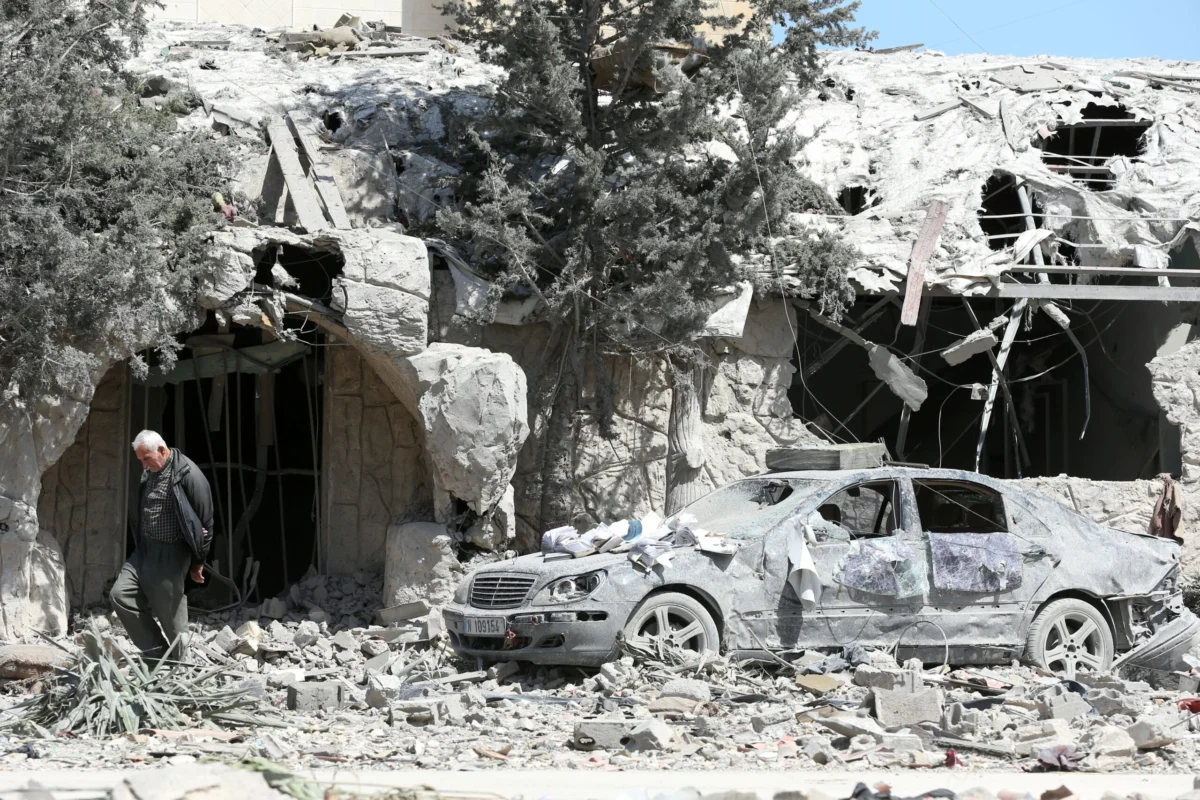
Tehran, Iran – Iran’s Parliament Speaker, Mohammad Bagher Ghalibaf, issued a stark warning today, declaring that “time is running out” as Israel’s military operations in Lebanon continue to intensify. The statement comes amidst a significant escalation of cross-border hostilities between Israel and Hezbollah, a powerful Lebanese militant group backed by Iran, and raises concerns about a potential wider regional conflagration. The ongoing violence, which has seen a dramatic surge in airstrikes and missile exchanges, has resulted in a growing humanitarian crisis in southern Lebanon and has drawn international calls for de-escalation.
The immediate catalyst for Ghalibaf’s urgent declaration appears to be a recent wave of Israeli airstrikes that have targeted various locations across Lebanon, including civilian infrastructure and what Israel describes as Hezbollah military positions. These strikes, reportedly some of the most intense in recent memory, have led to significant casualties and widespread destruction. Al Jazeera reports indicate that more than 200 people have been killed in a single day due to these Israeli assaults, underscoring the severity of the current situation. The images emerging from the affected areas, such as the aftermath of an Israeli airstrike on a religious Shiite complex in Sidon on April 9, 2026, depict scenes of devastation and underscore the human cost of the conflict.
Background and Escalation
The current escalation is not an isolated incident but rather a continuation and intensification of a long-standing, albeit fluctuating, conflict between Israel and Hezbollah. This animosity stems from several factors, including ideological differences, regional power struggles, and the unresolved Israeli-Palestinian conflict. Hezbollah, designated as a terrorist organization by several Western nations, was formed in the early 1980s with Iranian support and has been a significant military and political force in Lebanon ever since. Its stated objective includes the liberation of Palestinian territories and resistance against Israeli occupation.
The current surge in violence appears to be a response to a series of provocations and retaliatory actions. While the precise trigger for the latest intensification is subject to ongoing analysis, it is generally understood that a cycle of attacks and counter-attacks has been ongoing. Hezbollah has frequently launched rockets and drones into northern Israel, and Israel has responded with airstrikes and ground operations within Lebanese territory. The scale and intensity of the recent Israeli strikes, however, suggest a potential shift in strategy or a more determined effort to degrade Hezbollah’s capabilities.
Timeline of Recent Events (Illustrative, based on typical conflict patterns)
While specific dates for every engagement are fluid in such ongoing conflicts, a general chronological understanding of the recent escalation can be constructed:
- Early 2026: Sporadic exchanges of fire across the Israel-Lebanon border continue, consistent with patterns observed over the preceding years. These incidents typically involve rocket launches from Lebanon and Israeli airstrikes in response.
- March 2026: A noticeable increase in the frequency and range of Hezbollah’s rocket attacks into northern Israel is reported. These attacks begin to impact civilian areas more directly, leading to increased Israeli retaliatory strikes.
- Early April 2026: The intensity of Israeli airstrikes on Lebanon escalates significantly. Reports emerge of widespread damage to infrastructure and a substantial increase in casualties. Specific targets include areas in southern Lebanon and potentially further north.
- April 9, 2026: A particularly devastating Israeli airstrike targets a religious Shiite complex in Sidon, southern Lebanon, causing significant destruction and loss of life. This incident is highlighted in media reports as a symbol of the escalating violence.
- April 10, 2026: Iran’s Parliament Speaker, Mohammad Bagher Ghalibaf, issues his warning about “time running out,” reflecting the gravity of the situation and Iran’s concern over the escalating conflict and its potential regional implications.
Supporting Data and Human Cost
The human toll of the escalating conflict is becoming increasingly apparent. Reports from the region indicate a severe humanitarian crisis unfolding in southern Lebanon. Displacement of civilians is widespread, with thousands fleeing their homes to escape the indiscriminate shelling and airstrikes. Essential services, including water, electricity, and healthcare, are severely strained or completely disrupted in many areas.
The figures cited, such as over 200 fatalities in a single day, paint a grim picture. These numbers likely represent a combination of combatants and civilians, a common characteristic of urban and semi-urban warfare. The destruction of civilian infrastructure, including homes, schools, and hospitals, further exacerbates the suffering and complicates any future recovery efforts. International aid organizations are reportedly struggling to gain access to the most affected areas to provide much-needed humanitarian assistance.
Official Responses and International Reactions
Iran: Speaker Ghalibaf’s statement is a clear signal of Iran’s deep concern and its alignment with Hezbollah. Iran views the conflict as a proxy battle against Israel and its regional adversaries, and any significant escalation that threatens its allies is met with strong rhetoric and potential material support. The warning about "time running out" could imply that Iran is considering its next steps, which could range from diplomatic pressure to increased military assistance for Hezbollah.
Israel: Israel maintains that its actions are defensive, aimed at protecting its citizens from attacks by Hezbollah. The Israeli military consistently states its objective is to neutralize threats emanating from Lebanon and to restore security to its northern communities. They often highlight Hezbollah’s use of civilian areas for military operations as a tactic that complicates their efforts and leads to civilian casualties.
Hezbollah: While specific statements from Hezbollah leadership during intense periods of conflict are often strategic, their actions speak volumes. Their continued rocket fire into Israel is a clear demonstration of their resolve and their capability to inflict damage. They typically frame their attacks as a response to Israeli aggression and a commitment to resisting occupation.
United States: The United States, a key ally of Israel, is likely monitoring the situation closely. Historically, the US has sought to prevent a wider regional war, often engaging in diplomatic efforts to de-escalate tensions. Calls for a ceasefire, as mentioned in the context of the conflict, would likely involve US diplomatic engagement, potentially in coordination with regional powers and the United Nations. The article mentions calls for a ceasefire between the US and Iran to be extended to Israel’s war with Hezbollah, suggesting a potential avenue for diplomatic resolution, though the efficacy of such an extension remains to be seen.
United Nations: The UN, through its peacekeeping mission in southern Lebanon (UNIFIL), plays a crucial role in monitoring the border and attempting to de-escalate tensions. The UN typically calls for an immediate cessation of hostilities, respect for international law, and unimpeded humanitarian access. The current level of violence undoubtedly strains UN efforts.
Broader Impact and Implications
The escalating conflict between Israel and Hezbollah, with Iran’s strong backing, carries significant implications for regional stability.
- Risk of Wider War: The most immediate concern is the potential for the conflict to spill over into a larger regional war. This could involve direct involvement from other regional powers, potentially drawing in countries like Syria, Iraq, and even impacting maritime security in the Persian Gulf.
- Humanitarian Catastrophe: The ongoing violence is creating a deepening humanitarian crisis in Lebanon, a country already facing severe economic challenges. The destruction of infrastructure and displacement of populations could have long-term consequences for the nation’s recovery.
- Geopolitical Repercussions: The conflict serves as a stark reminder of the complex geopolitical landscape in the Middle East. It highlights the enduring proxy conflicts and the challenges of achieving lasting peace and security in the region. Iran’s assertive stance, as exemplified by Ghalibaf’s warning, underscores its role as a key player whose actions can significantly influence the trajectory of regional conflicts.
- Economic Impact: Escalated conflict in the Middle East can have ripple effects on global energy markets, potentially leading to price volatility. Furthermore, the disruption of trade routes and increased security concerns can impact international commerce.
- Diplomatic Challenges: The intensification of hostilities presents significant challenges for diplomatic efforts aimed at de-escalation and conflict resolution. The deeply entrenched positions of the involved parties make finding common ground increasingly difficult.
Speaker Ghalibaf’s warning signifies a critical juncture. The phrase "time is running out" suggests that a window for diplomatic intervention may be closing, and the risk of further, potentially more destructive, escalation is rising. The international community faces renewed pressure to engage more robustly in de-escalation efforts, not only to alleviate the immediate suffering but also to prevent a broader regional conflict that could have devastating consequences. The coming days and weeks will be crucial in determining whether diplomatic avenues can be effectively utilized to avert further catastrophe.