Danny Garick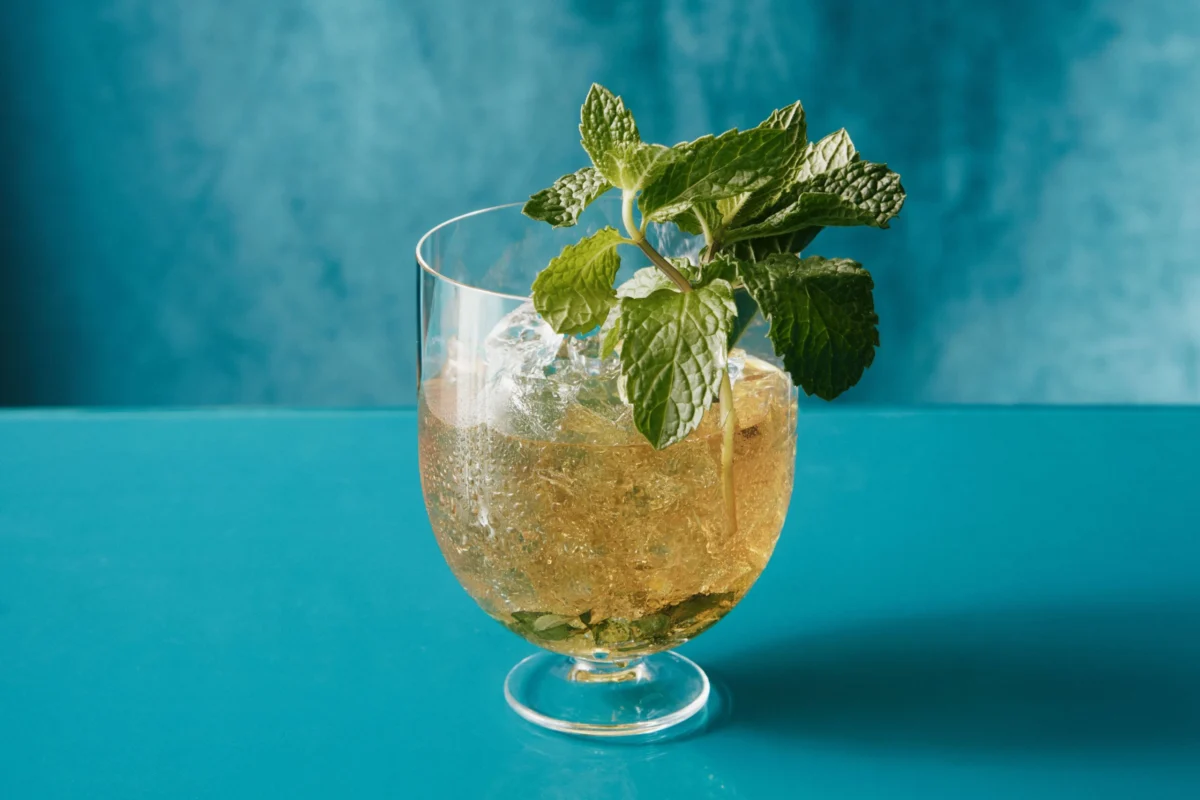
The mint julep stands as a cornerstone of American mixology, defined by its cooling properties and its deep-seated association with the cultural traditions of the American South. While the drink is characterized by a minimalist composition of bourbon, fresh mint, sugar, and crushed ice, its history and preparation methods have undergone significant evolution over the past two centuries. Modern iterations of the cocktail have begun to incorporate subtle modifications, such as the addition of lemon zest, to provide a citrus-driven balance to the drink’s traditional sweetness. This evolution reflects a broader trend in the spirits industry toward "regal" preparation techniques—where citrus oils are extracted to enhance aromatic complexity—while simultaneously paying homage to the 19th-century origins of the beverage.
Historical Chronology and the Contributions of Early Mixologists
The lineage of the mint julep predates its association with the Kentucky Derby by more than a century. The term "julep" itself is derived from the Persian word golab, meaning rosewater, which historically referred to a sweetened medicinal liquid used to mask the taste of unpalatable tonics. By the late 18th century, the julep had transitioned into a recreational beverage in the United States, particularly in Virginia and Maryland.
In the 1820s, the cocktail was not yet synonymous with bourbon. Instead, it was frequently prepared using cognac, peach brandy, or gin. Historical records from the era highlight the indispensable role of Black bartenders in refining the drink’s profile. Figures such as Jasper Crouch, Jim Cook, and John Dabney were celebrated in Virginia for their technical mastery of the julep. Dabney, in particular, was renowned for his elaborate presentations, which often featured towering arrangements of fruit and mint. These early practitioners utilized diverse spirit bases, including Champagne, to cater to the elite social circles of the mid-Atlantic.
The transition to bourbon as the primary spirit occurred as domestic whiskey production increased in Kentucky and Tennessee during the mid-to-late 19th century. Bourbon provided a more accessible and distinctively American foundation for the drink, eventually displacing imported brandies. The formalization of the mint julep as the "official" drink of the Kentucky Derby occurred in 1938, a marketing move by Churchill Downs that cemented the cocktail’s status as a global icon of sporting culture.
Economic Impact and Event Statistics
The scale of mint julep consumption during the Kentucky Derby serves as a significant economic driver for the regional hospitality and agricultural sectors. According to data provided by Churchill Downs, approximately 120,000 mint juleps are served over the two-day period of the Kentucky Oaks and the Kentucky Derby. This volume requires a logistical feat of procurement, including:

- Mint: Over 1,000 pounds of fresh, locally sourced mint are harvested annually for the event.
- Ice: Approximately 60,000 pounds of crushed ice are utilized to ensure the drinks achieve the necessary frost.
- Bourbon: Thousands of gallons of bourbon are poured, with Woodford Reserve serving as the presenting sponsor and primary supplier for the "official" version.
- Sugar: Over 2,000 pounds of granulated sugar or simple syrup are processed to sweeten the mass-produced batches.
Beyond the standard offerings, the event also features the "Old Forester Mint Julep" and high-end charity iterations, such as the $1,000 and $5,000 "Gold Cup" juleps. These luxury versions often feature rare bourbon expressions and are served in commemorative cups plated in precious metals, with proceeds benefiting equine-related charities.
Technical Analysis of Ingredients and Preparation
The chemistry of a mint julep relies heavily on temperature and dilution. The use of crushed ice is non-negotiable from a technical standpoint; the increased surface area of the ice allows for rapid chilling and the necessary dilution required to mellow the high alcohol content of the bourbon.
The Role of the Spirit
The choice of bourbon dictates the primary flavor profile of the cocktail. High-rye bourbons, such as Basil Hayden’s or Bulleit, introduce a spicy counterpoint to the sugar. Conversely, wheated bourbons or those with heavy caramel notes, such as Maker’s Mark or Michter’s US1 Kentucky Straight Bourbon, emphasize the drink’s richness. Professional bartenders suggest that any bourbon chosen for a julep should be of high enough quality to be consumed neat, as the drink is spirit-forward with little to hide behind.
Sweetening Agents and Textural Integrity
While traditional recipes frequently call for powdered sugar due to its rapid solubility, modern analysis suggests this may be detrimental to the cocktail’s texture. Powdered sugar often contains cornstarch to prevent clumping, which can result in a slightly chalky mouthfeel. Granulated white sugar offers a cleaner profile, but turbinado or raw sugar has gained favor among craft mixologists. Raw sugar contains higher molasses content, which complements the charred oak and vanilla notes inherent in Kentucky bourbon.
The "Regal" Innovation
A contemporary refinement of the recipe involves the "regal shake" technique, adapted for the muddled julep. By muddling a wide strip of lemon zest alongside the mint, the bartender extracts essential oils (limonene and citral) without the acidity of the juice. This provides a bright, aromatic lift that cuts through the "cloying" nature of the sugar, a common critique of poorly made juleps.
Procedural Standards for Single and Batch Service
For individual preparation, the standard procedure involves muddling mint leaves with sugar and optional lemon zest directly in the serving vessel. The goal of muddling is to bruise the leaves to release oils, rather than shredding them, which can release bitter chlorophyll.

For large-scale events or home hosting, batching has become the preferred method to ensure consistency. Industry standards for an eight-serving batch include:
- Muddling: Combine the zest of one whole lemon, two packed cups of mint leaves, and approximately 5.3 tablespoons of sugar.
- Integration: Add half a cup of water and two cups of premium bourbon.
- Steeping: Allow the mixture to macerate for 15 to 60 minutes. This period is critical for the infusion of mint and citrus oils into the spirit.
- Straining: The mixture is strained to remove the spent mint and zest, resulting in a clean liquid that can be chilled for up to two hours.
- Service: The chilled base is poured over fresh crushed ice in a metal cup or rocks glass and stirred vigorously for 20 seconds to induce frost.
The Significance of the Julep Cup
The traditional metal julep cup, typically made of silver or pewter, is more than an aesthetic choice; it is a functional tool. Metals have high thermal conductivity, allowing the cup to rapidly reach the temperature of the ice. This creates a layer of frost on the exterior of the vessel, which serves as a visual indicator of the drink’s readiness and provides a tactile experience for the consumer. While glassware such as a footed rocks glass is a functional substitute, it lacks the evaporative cooling properties that make the metal cup the industry standard.
Broader Cultural and Industry Implications
The mint julep represents a successful intersection of historical preservation and commercial marketing. The beverage has helped sustain the "bourbon trail" tourism industry in Kentucky, which contributes billions of dollars to the state’s economy annually. Furthermore, the ongoing research into the drink’s origins has led to a broader reckoning with the history of American hospitality, specifically acknowledging the contributions of enslaved and free Black bartenders who defined the "Golden Age" of cocktails.
As the spirits industry continues to prioritize premiumization and historical authenticity, the mint julep remains a primary case study in how a simple recipe can support a massive cultural infrastructure. The integration of modern techniques like the lemon zest "regal" infusion ensures that the cocktail remains relevant to the evolving palates of contemporary consumers while maintaining its status as a permanent fixture of American tradition. By balancing historical reverence with technical innovation, the mint julep continues to serve as a bridge between the 19th-century origins of mixology and the high-volume demands of modern international sporting events.