Layla Zulfa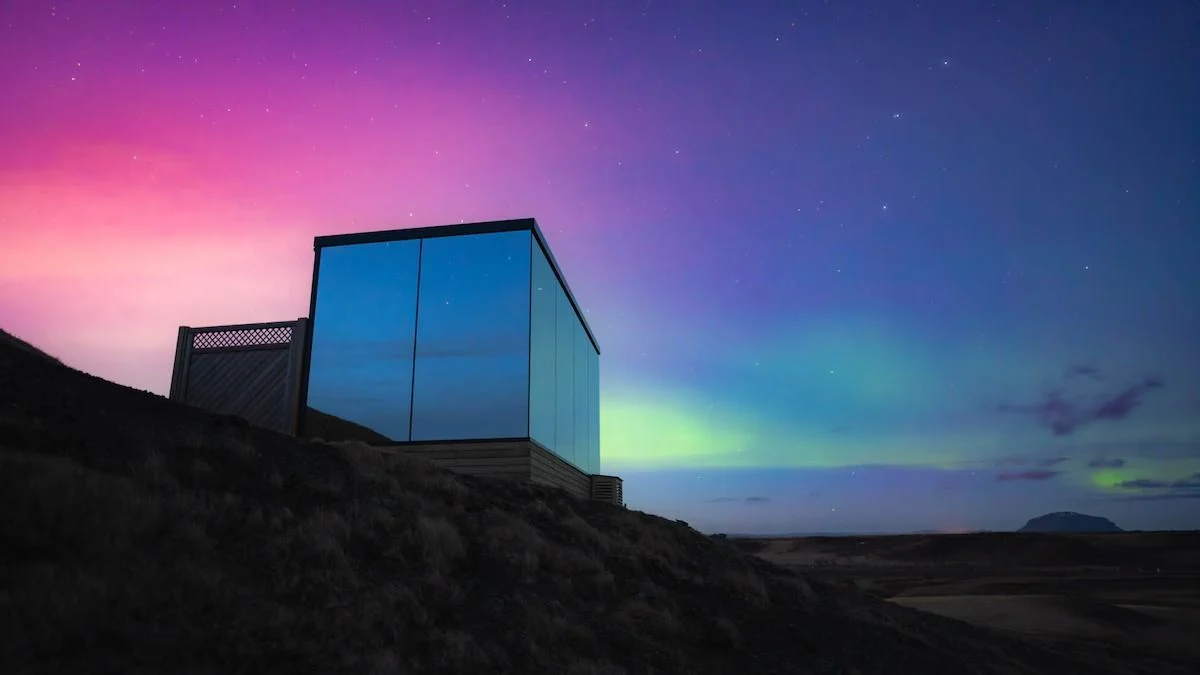
The hospitality landscape in Iceland has undergone a radical transformation over the last decade, shifting from a market dominated by utilitarian guesthouses to one defined by high-concept architectural dwellings that prioritize the island’s dramatic natural topography. As tourism remains a primary pillar of the Icelandic economy, the demand for short-term rentals that offer more than just a place to sleep has surged. Today, the most sought-after Airbnbs in the country are those where the environment functions as the primary amenity, utilizing floor-to-ceiling glass, sustainable materials like Siberian larch, and geothermal integration to bridge the gap between interior comfort and the rugged Arctic wilderness.
Whether travelers are navigating the traditional Ring Road, exploring the volcanic activity of the South Coast, or venturing into the remote creative enclaves of the Westfjords, the selection of premium accommodations reflects a sophisticated blend of Scandinavian minimalism and mid-century modernism. This evolution in lodging aligns with a broader global trend toward "destination architecture," where the structure itself becomes a central component of the travel itinerary.
The Evolution of Iceland’s Short-Term Rental Market
To understand the current state of high-end rentals in Iceland, one must look at the chronology of the nation’s tourism boom. Following the 2010 eruption of Eyjafjallajökull, global interest in Iceland’s volcanic landscapes skyrocketed. According to data from the Icelandic Tourist Board, the number of international visitors increased from roughly 488,000 in 2010 to over 2.3 million by 2018. This rapid influx outpaced the development of traditional hotel infrastructure, creating a vacuum that was filled by independent hosts and professional property managers.
By 2016, the Icelandic government introduced the "90-day rule," which limited the number of days a primary residence could be rented out without a commercial license. This regulation inadvertently encouraged the development of purpose-built, high-design vacation rentals—structures designed specifically to maximize views of the Aurora Borealis and the Midnight Sun while adhering to strict environmental and zoning standards. The properties highlighted in contemporary design portfolios today are the result of this professionalization of the home-sharing sector.
Architectural Landmarks of the South Coast and Golden Circle
The South Coast remains the most heavily trafficked region for international visitors, housing iconic sites such as the Dyrhólaey peninsula and the Skógafoss waterfall. In this region, the Dyrhólaey Apartment near Vík exemplifies the "landscape-first" design philosophy. Oriented toward the Southern coastline, the two-bedroom residence utilizes expansive windows to bathe a traditional Scandinavian interior in natural light. At a price point starting at $735 per night, the property positions itself as a luxury alternative to the limited hotel options in the Vík area, offering families a level of spatial autonomy rarely found in commercial lodges.
Further inland, near the town of Hella, the Glacial Glass Cabin represents the pinnacle of the "glass house" trend. Featuring three walls of floor-to-ceiling glass, the studio is designed for maximum seclusion, catering to the honeymoon and high-end couples’ market. Starting at $502 per night, the cabin emphasizes sensory experiences—heated floors, mood lighting, and mountain-view showers—that cater to the "slow travel" movement.
In the Selfoss region, which serves as a gateway to the Golden Circle (Thingvellir National Park, Gullfoss, and Geysir), the Iceland Lakeview Retreat offers a modern interpretation of the A-frame cabin. Facing Úlfljótsvatn Lake, this property integrates a heated pool and indoor fireplace, providing a controlled environment from which to view the Northern Lights. At $741 per night, it reflects the premium placed on proximity to Iceland’s most famous geological landmarks.
Urban Sophistication: Reykjavik and Hafnarfjörður
While the rural cabins focus on isolation, the rentals in and around Reykjavik focus on historical preservation and curated interior design. In Hafnarfjörður, located just south of the capital, an 1800s-era cottage managed by Anthony Bacigalupo and Þór Káradóttir of Reykjavik Trading Co. serves as a bridge between Icelandic history and modern lifestyle branding. The property, starting at $549 per night, features a dining greenhouse and a chicken coop, appealing to travelers seeking an "authentic" local experience grounded in earthy aesthetics and dark wood accents.
Within Reykjavik proper, the design language shifts toward mid-century modernism, a departure from the starker Scandi-minimalism found elsewhere. A notable example is a 1960s villa near downtown that features four bedrooms and views of Mt. Esja. Starting at $355 per night, it caters to design-conscious groups who prioritize proximity to the city’s cultural institutions, such as the Harpa Concert Hall, while maintaining the privacy of a residential backyard and piano-equipped living space.
Northern Frontiers: Akureyri and Husavik
As travelers move toward the "Capital of the North," Akureyri, the architectural offerings become increasingly avant-garde. The Villa Lola Apartment, wrapped in driftwood-inspired paneling, is a prime example of how northern rentals are designed to withstand and celebrate the harsher subarctic climate. With prices starting at $512 per night, these units provide a retreat from the city’s bustling harbor and botanical gardens, offering a vantage point for the aurora during winter months.
In nearby Husavik, often cited as the whale-watching capital of Europe, the Luxury Villa in Husavik provides a wood-paneled, mid-century-style base for exploring the Myvatn area’s lava fields and bubbling mud pits. Starting at $395 per night, this property highlights the logistical importance of a well-stocked kitchen and a private hot tub—amenities that have become non-negotiable for travelers navigating the more remote northern circuits.
The Westfjords and Snaefellnes: Remote Creative Hubs
The Westfjords and the Snaefellnes Peninsula represent the "final frontier" for many Icelandic itineraries. In Flateyri, a village becoming known as a hub for artists and creatives, a Victorian-style villa offers a bohemian departure from the country’s typically minimalist aesthetic. With a hodgepodge of painted wood, brick, and ornate chandeliers, the villa reflects the eclectic spirit of the Westfjords. At $634 per night, it serves a niche market of travelers looking for "character" over clinical cleanliness.
In contrast, the Architect’s Cottage in Borgarnes and the Contemporary Farmhouse in Hraundalur (Snaefellnes) lean into ultra-modernism. The Hraundalur property, priced at $1,183 per night, is a concrete and Siberian larch structure that accommodates multigenerational groups. Its inclusion of an EV charger and a Finnish sauna highlights the growing expectation for sustainable infrastructure even in remote agricultural valleys.
Data and Economic Impact Analysis
The pricing of these Airbnbs, ranging from $355 to over $1,600 per night, indicates a significant shift toward high-yield tourism. Economic analysts suggest that while these rentals provide vital income for local hosts and designers (such as those associated with Reykjavik Trading Co.), they also exert pressure on the local housing market.
Table 1: Comparative Nightly Rates and Capacity (Sample Data)
| Property Type | Location | Starting Price (USD) | Capacity | Key Amenity |
|---|---|---|---|---|
| Glass Studio | Hella | $502 | 2 | Volcano Views |
| Modern Farmhouse | Hraundalur | $1,183 | 6+ | EV Charger/Sauna |
| Mid-century Villa | Reykjavik | $355 | 8 | Downtown Access |
| A-Frame Cabin | Selfoss | $741 | 2 | Heated Pool |
The concentration of these luxury rentals in specific "clusters" (the South Coast and Akureyri) has led to a more localized economic boost, supporting regional grocery stores, tour operators, and maintenance services. However, the reliance on Airbnb has prompted the Icelandic government to continuously review its tourism strategy to ensure a balance between visitor satisfaction and resident quality of life.
Broader Implications and Future Outlook
The trend toward design-forward Airbnbs in Iceland is more than a matter of aesthetics; it is a response to the specific environmental challenges of the North Atlantic. The prevalence of floor-to-ceiling windows is a direct response to the limited daylight in winter, while the "room-darkening shades" mentioned in rental descriptions are a necessity for the 24-hour sun of summer.
Furthermore, the integration of private hot tubs and saunas across almost all high-end properties reflects Iceland’s unique geothermal wealth. By utilizing the island’s natural hot water, these rentals offer luxury amenities with a lower carbon footprint than traditional luxury hotels in other parts of the world.
As Iceland looks toward the future, the intersection of architecture and tourism will likely continue to evolve. Architects are increasingly experimenting with subterranean builds and "invisible" cabins that blend into the moss-covered lava fields. For the global traveler, these Airbnbs represent the new standard of Icelandic hospitality: a marriage of high-design sophistication and an uncompromising respect for the raw, volcanic landscape. In this market, the view is not just a feature—it is the foundation of the entire experience.