Nila Kartika Wati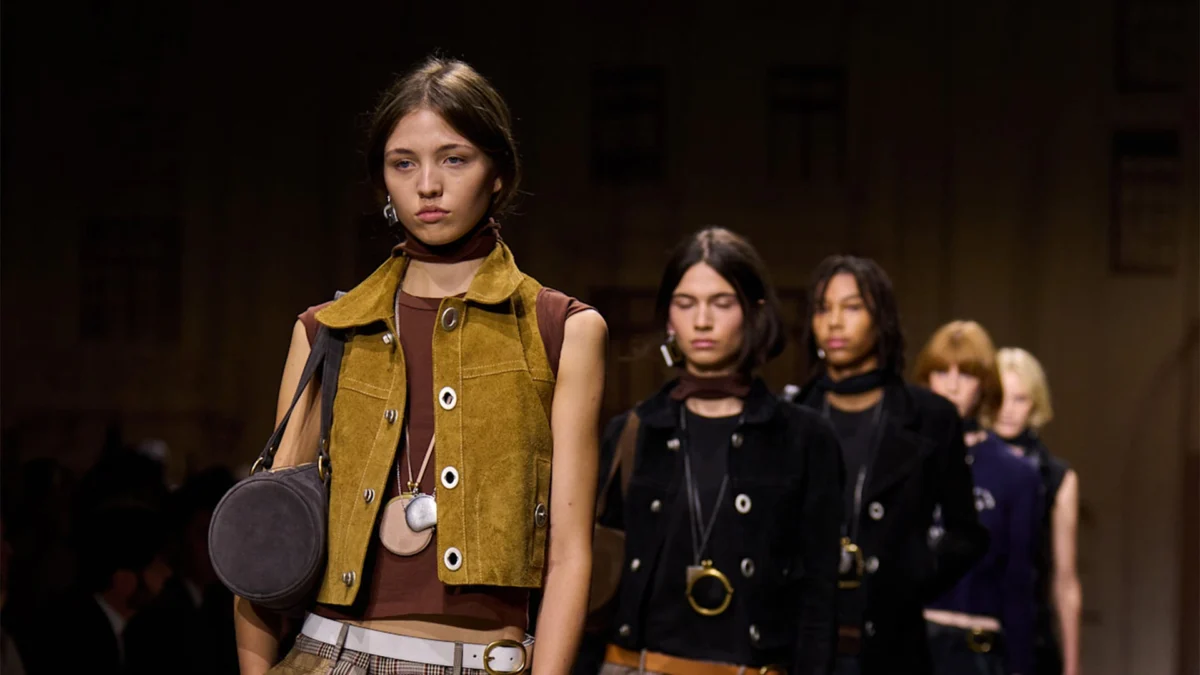
The global fashion landscape is witnessing a significant shift, with American heritage brands like Coach, Ralph Lauren, and Tory Burch not only outperforming many established European luxury houses but also offering a compelling blueprint for long-term brand building. This paradigm shift, highlighted in a recent analysis by The Business of Fashion, underscores critical lessons in strategic pricing, product innovation, retail execution, and the enduring power of authentic brand storytelling. While European luxury has long been perceived as the undisputed pinnacle of aspirational fashion, these American powerhouses are demonstrating that a nuanced understanding of the modern consumer, coupled with a steadfast commitment to core brand values, can yield remarkable and sustainable success.
The Shifting Tides of Luxury: A Deep Dive into American Resilience
For decades, the narrative of luxury fashion has been dominated by the storied maisons of Paris, Milan, and London. Brands like Chanel, Dior, Gucci, and Prada have historically commanded the highest echelons of desirability, their heritage and craftsmanship synonymous with exclusivity and prestige. However, recent market performance and strategic analyses reveal a compelling counter-narrative: American brands are not just competing; they are leading in key segments.
The Business of Fashion’s report, spearheaded by Diana Pearl, delves into the specific strategies that have propelled Coach, Ralph Lauren, and Tory Burch to the forefront. Their success is not a fleeting trend but a testament to a carefully orchestrated evolution that addresses the changing dynamics of consumer expectations and the broader economic climate. These brands have managed to navigate the complexities of the post-pandemic retail environment, a period marked by heightened price sensitivity, a demand for value beyond mere branding, and an increasing appreciation for brands that offer both aspiration and accessibility.
Coach: A Masterclass in Brand Revitalization
Coach, under the creative direction of Stuart Vevers, has undergone a remarkable transformation since its initial struggles to redefine its identity in the face of increased competition and a perceived dilution of its luxury status. The brand has successfully transitioned from a logo-centric, mid-tier offering to a more sophisticated and fashion-forward label that resonates with a younger, more discerning consumer.
Key Strategies Employed by Coach:
- Elevated Product Design: Vevers has injected a contemporary sensibility into Coach’s collections, blending heritage silhouettes with modern aesthetics. This includes a focus on innovative materials, playful collaborations, and a more fashion-driven approach to ready-to-wear and accessories. The Spring/Summer 2026 collection, for instance, showcased a refined vision that appeals to a broader luxury consumer.
- Strategic Pricing: Coach has artfully navigated the luxury price spectrum. While maintaining aspirational price points for its core leather goods, the brand has also introduced more accessible entry-level items and expanded its ready-to-wear offerings at competitive luxury price points. This tiered approach allows for broader market penetration without compromising perceived value.
- Retail Experience Enhancement: Significant investment has been made in revitalizing Coach’s retail spaces, creating immersive brand environments that reflect the new design ethos. This includes in-store events, personalized services, and a seamless omnichannel experience that bridges the gap between online and offline shopping.
- Targeted Marketing and Collaborations: Coach has embraced strategic collaborations with artists, designers, and cultural influencers, generating significant buzz and attracting new demographics. These partnerships often tap into pop culture trends, making the brand feel relevant and dynamic.
The revitalization of Coach is a prime example of how a brand can successfully pivot and reclaim its luxury status through a holistic approach to design, marketing, and customer engagement.
Ralph Lauren: Enduring Heritage, Modern Relevance
Ralph Lauren, a titan of American sportswear and lifestyle, has consistently demonstrated its ability to adapt while remaining true to its iconic aesthetic. The brand’s enduring appeal lies in its ability to evoke a sense of timeless Americana, preppy sophistication, and aspirational living, all while evolving its product offerings and retail strategies to meet contemporary demands.
Ralph Lauren’s Pillars of Success:
- Unwavering Brand Identity: The core of Ralph Lauren’s strength lies in its instantly recognizable brand DNA. The Polo Pony, the classic rugby shirt, and the tailored silhouettes are all deeply embedded in the fashion lexicon. This consistency provides a strong foundation upon which to build.
- Product Diversification and Innovation: While maintaining its core offerings, Ralph Lauren has successfully expanded into new categories, including performance wear (RLX), children’s wear, and home furnishings. Recent collections have also seen a renewed focus on sustainability and ethical sourcing, appealing to environmentally conscious consumers.
- Experiential Retail and Digital Presence: Ralph Lauren has invested heavily in creating engaging retail experiences, from flagship stores that offer a journey through the brand’s heritage to pop-up activations that capture current cultural moments. Their digital platforms are equally sophisticated, offering curated content and seamless e-commerce.
- Strategic Partnerships and Global Expansion: The brand has leveraged collaborations and licensing agreements to expand its reach into new markets and product categories, ensuring its relevance across diverse consumer segments.
Ralph Lauren’s consistent ability to blend its rich heritage with a forward-looking perspective has solidified its position as a perennial player in the global luxury market.
Tory Burch: Building a Lifestyle Brand
Tory Burch has carved out a distinct niche in the luxury market by offering a blend of bohemian chic, modern elegance, and accessible luxury. The brand’s success is rooted in its ability to create a comprehensive lifestyle offering that extends beyond apparel and accessories to encompass fragrances, eyewear, and home décor.
Tory Burch’s Strategic Approach:
- Distinctive Design Aesthetic: Tory Burch’s signature style—characterized by vibrant prints, intricate embellishments, and a polished yet relaxed sensibility—has resonated deeply with its target demographic. The brand has successfully translated this aesthetic across its diverse product categories.
- Focus on Customer Centricity: The brand places a strong emphasis on understanding and catering to the needs of its core customer. This is reflected in its product development, customer service, and marketing efforts, which often feature relatable narratives and aspirational yet attainable lifestyles.
- Expansion into Lifestyle Categories: Tory Burch’s strategic expansion into categories like beauty, home, and activewear has broadened its appeal and created multiple touchpoints for consumer engagement. This diversification not only increases revenue streams but also strengthens the overall brand ecosystem.
- Emphasis on Digital Storytelling and Community Building: The brand has excelled at leveraging digital platforms to tell its story, engage with its community, and showcase its products. This includes a strong social media presence, influencer collaborations, and content that highlights the inspiration behind its collections.
Tory Burch’s success demonstrates the power of cultivating a strong, identifiable brand voice and extending that voice across a thoughtfully curated range of products.
Lessons for the Global Fashion Industry
The ascendance of these American luxury brands offers several crucial takeaways for the broader fashion industry, particularly for European houses facing increased competition and evolving consumer demands:
- The Evolving Definition of Luxury: Luxury is no longer solely defined by heritage or price point. Modern luxury encompasses a broader spectrum of values, including craftsmanship, authenticity, sustainability, inclusivity, and an engaging brand experience. Brands that can articulate and deliver on these values are poised for success.
- The Power of Brand Storytelling: In an increasingly saturated market, a compelling brand narrative is paramount. Coach, Ralph Lauren, and Tory Burch have all excelled at communicating their unique stories and connecting with consumers on an emotional level. This involves more than just product; it’s about building a world that consumers want to be a part of.
- Strategic Pricing and Value Proposition: The days of simply commanding exorbitant prices are waning. Brands must offer a clear and compelling value proposition, justifying their price points through quality, design, exclusivity, and brand experience. This doesn’t mean abandoning high prices but ensuring they are aligned with perceived value.
- The Importance of Omnichannel Retail: Consumers expect a seamless and integrated shopping experience across all channels. Brands that invest in robust e-commerce platforms, engaging physical retail spaces, and efficient customer service are better positioned to meet these expectations.
- Agility and Adaptability: The fashion industry is dynamic. Brands must be agile and willing to adapt to changing consumer preferences, technological advancements, and market trends. This requires a willingness to innovate, experiment, and learn from both successes and failures.
- Authenticity in Collaborations: While collaborations can be powerful tools, they must be authentic and aligned with the brand’s core values. Ill-conceived partnerships can dilute a brand’s image.
Broader Impact and Future Implications
The success of Coach, Ralph Lauren, and Tory Burch has significant implications for the global fashion economy. It signals a potential redistribution of market share and a challenge to the long-held dominance of European luxury. This could lead to increased investment in American brands and a greater appreciation for the unique contributions of American design and business acumen to the global fashion stage.
Furthermore, these brands’ strategies offer a blueprint for emerging designers and smaller labels looking to establish a foothold in the competitive luxury market. By focusing on a strong brand identity, a clear value proposition, and an understanding of the modern consumer, even smaller players can achieve significant growth.
The narrative of fashion is constantly being rewritten, and the current chapter clearly highlights the strength and innovation emerging from American luxury. As consumers increasingly seek brands that offer more than just a product, but a connection, a story, and a sense of enduring value, the strategies employed by Coach, Ralph Lauren, and Tory Burch are likely to shape the future of aspirational fashion for years to come. The challenge for established European houses will be to learn from this resurgence and adapt their own approaches to remain relevant in this evolving global marketplace. The era of unquestioned European luxury supremacy may be giving way to a more diversified and dynamic landscape, where American ingenuity and brand resilience are taking center stage.