Danny Garick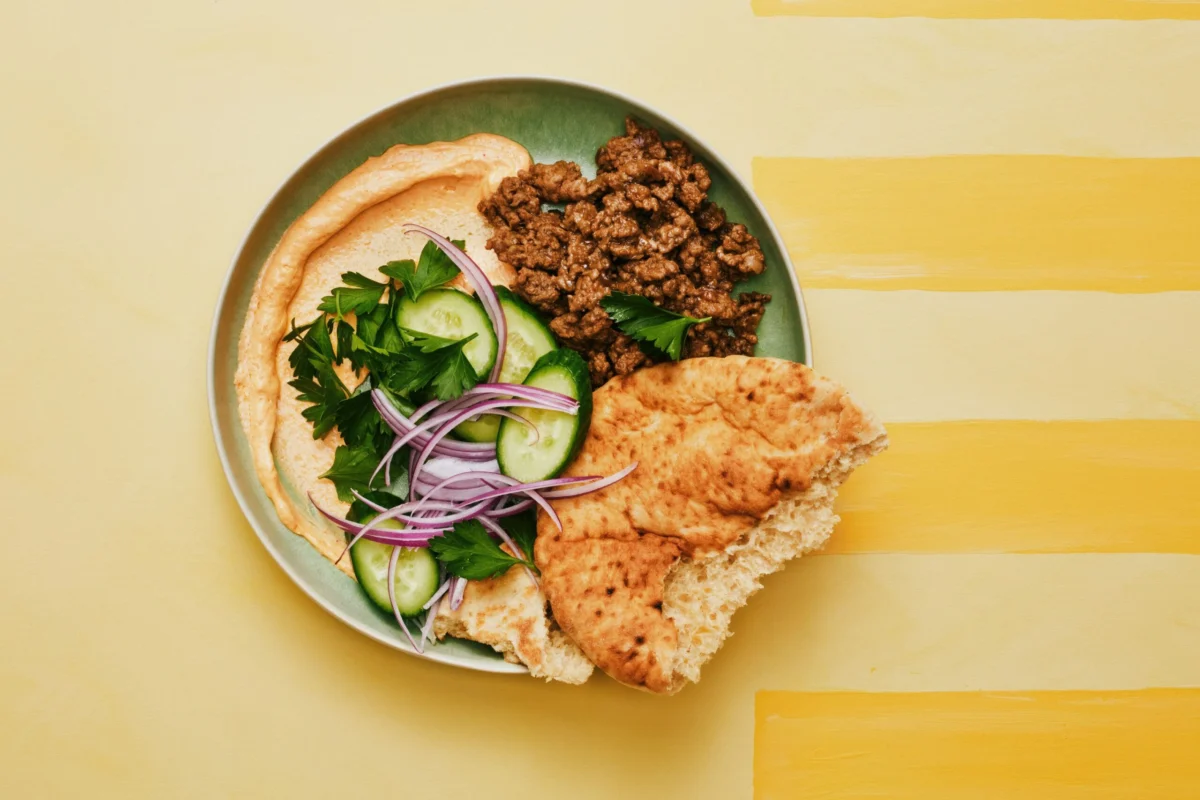
The culinary landscape for home-based dinner preparation has shifted significantly as modern consumers increasingly prioritize efficiency without sacrificing the complexity of flavor. A new approach to the traditional Mediterranean bowl has emerged, centering on a thirty-minute preparation window that utilizes high-impact spices and textural contrasts to deliver a restaurant-quality experience. This specific dish, characterized by its smoky paprika-infused Greek yogurt base and cumin-seasoned ground protein, represents a broader trend in the food industry: the "quick-prep" movement which seeks to minimize active cooking time while maximizing the sensory profile of the final product. By utilizing techniques such as spice blooming and controlled fat-content selection, this culinary model offers a template for the future of domestic meal planning.
The Structural Foundation of the Modern Mediterranean Bowl
At the core of this culinary development is the strategic use of Greek yogurt, a staple of the Eastern Mediterranean and Levantine regions that has seen a massive surge in global market share over the last decade. The yogurt serves not merely as a side garnish but as the structural foundation of the meal. In this iteration, the yogurt is enhanced through a process known as "blooming" spices in oil. By heating smoked paprika in extra-virgin olive oil before whisking it into the dairy, the fat-soluble flavor compounds of the pepper are fully released, creating a vibrant, smoky base that provides a rich counterpoint to the acidity of the fermented milk.
The choice of protein—traditionally ground lamb but often substituted with beef—highlights a shift toward meats that offer high umami profiles. Lamb, which contains specific branched-chain fatty acids that contribute to its distinct "gamey" and savory flavor, is paired with ground cumin. This pairing is historically rooted in Middle Eastern and North African cuisines, where the earthy, slightly bitter notes of cumin serve to cut through the richness of the meat.
Culinary Chronology: From Preparation to Plating
The development and execution of this dish follow a precise timeline designed to optimize kitchen workflow. The process begins with the infusion of the oil, a step that takes less than three minutes but dictates the flavor trajectory of the entire meal. Following the infusion, the preparation of the yogurt base and the grating of fresh garlic occur simultaneously.
The mid-point of the preparation focuses on the protein. Unlike traditional Western methods that emphasize "hard browning" or the Maillard reaction to create a crust on ground meat, this technique prioritizes moisture retention. By cooking the meat over moderate heat and avoiding the "fruitless task" of achieving a deep sear, the protein remains succulent. This is particularly effective when using meat with a 10% fat content, as it provides enough lipid for flavor without resulting in a greasy finish.
The final phase, occurring in the last five minutes of the thirty-minute window, involves the "cold assembly." This includes the slicing of Persian cucumbers and red onions. The introduction of raw, crunchy elements at the very end of the process is a deliberate textural choice, intended to contrast with the warmth of the meat and the creaminess of the yogurt.
Supporting Data: The Rise of the 30-Minute Meal Category
Market research indicates a sustained demand for recipes that fall under the 30-minute threshold. According to recent consumer behavior reports, 64% of urban professionals cite "time constraints" as the primary barrier to cooking at home. Furthermore, the "bowl" format has seen a 22% increase in menu mentions across North American and European dining sectors over the past three years. This format is favored for its versatility and the ease with which it can be adapted to various dietary preferences, such as substituting lamb with plant-based crumbles or beef.
Data from the agricultural sector also supports the shift toward the ingredients featured in this dish. The global Greek yogurt market was valued at approximately $10.5 billion in 2023 and is projected to grow at a compound annual growth rate (CAGR) of 7.2% through 2030. Similarly, the demand for "warm spices" like smoked paprika and cumin has seen a steady uptick as home cooks become more adventurous with global flavor palettes.
Technical Insights from the Test Kitchen
Culinary experts and test kitchen specialists have noted that the success of this specific dish relies on the quality of the "finishing touches." The inclusion of fresh parsley, and optionally, pomegranate seeds and hot honey, serves a functional purpose beyond aesthetics.
"The objective is to achieve a balance of the five primary tastes," noted a lead culinary developer during a recent workshop on Mediterranean fusion. "The yogurt provides the sourness, the meat provides the salt and umami, the honey provides the sweet, and the parsley offers a hit of bitterness to cleanse the palate. When you add the heat from the paprika and the crunch of the cucumbers, you are engaging every sensory receptor in the mouth."
The recommendation to use "Diamond Crystal" or specific measurements of "Morton kosher salt" reflects an increasing professionalization of the home kitchen. Because different brands of salt have varying crystal sizes and densities, providing specific measurements ensures consistency—a hallmark of modern recipe development that aims to eliminate the "guesswork" for the amateur cook.
Official Responses and Culinary Analysis
Food critics and nutritional analysts have responded positively to the "no-cutlery" aspect of the dish, which encourages the use of warm pita bread as a vessel. This style of eating, often referred to as "communal" or "hand-to-mouth" dining, is associated with lower levels of eating-related stress and higher levels of social engagement during mealtime.
From a nutritional perspective, the dish is being lauded for its high protein-to-carbohydrate ratio, particularly when served with whole-grain pita. The use of raw vegetables like cucumbers and onions provides essential fiber and phytonutrients that are often lost during high-heat cooking. Nutritionists point out that the inclusion of garlic—six cloves in this specific recipe—offers significant cardiovascular benefits, including the potential to lower blood pressure through its active compound, allicin.
However, some analysts have raised questions regarding the fat content of the lamb. While the recipe suggests a 10% fat ratio, many commercially available ground lamb products range between 15% and 20%. To mitigate this, test kitchen experts suggest that consumers specifically request leaner grinds or supplement with ground beef to achieve the desired texture and nutritional profile.
Broader Impact on Domestic Food Trends
The emergence of the "Smoky Paprika Yogurt and Cumin Lamb" model is indicative of a broader shift toward "assemblage cooking." This style of cooking moves away from complex, multi-pot techniques in favor of preparing high-quality components that are then layered together. It reflects a move toward "deconstructed" meals where the consumer has more control over the ratios of each ingredient on their plate.
This trend also highlights the globalization of the pantry. Ingredients that were once considered "specialty"—such as smoked paprika (pimentón), Persian cucumbers, and pomegranate seeds—are now standard inventory in mainstream supermarkets. This accessibility allows for the rapid dissemination of Mediterranean and Middle Eastern flavor profiles into the daily routines of a global audience.
Furthermore, the "no-cutlery" approach signals a move toward more informal, relaxed dining environments. As the boundaries between professional and personal life continue to blur, the "easy, breezy" nature of a meal that can be eaten with torn bread appeals to a demographic looking for comfort and simplicity.
Implications for the Future of Home Cooking
As we look toward the future of domestic food preparation, the principles found in this 30-minute Mediterranean bowl are likely to become the standard. The focus will remain on:
- Efficiency: Reducing the "active" time spent at the stove.
- Flavor Density: Using spices and aromatics to create deep flavor profiles quickly.
- Texture: Combining cooked and raw elements to create a more engaging eating experience.
- Adaptability: Creating "template" recipes that allow for easy protein or vegetable substitutions based on seasonal availability.
In conclusion, the Mediterranean Fusion Bowl is more than just a dinner option; it is a manifestation of contemporary culinary values. By prioritizing bold flavors, textural diversity, and time management, it provides a blueprint for how modern families and individuals can maintain a high standard of nutrition and taste in an increasingly fast-paced world. The success of such dishes confirms that the future of the home kitchen lies in the intelligent application of technique over the mere duration of labor.