Ferry Irwandi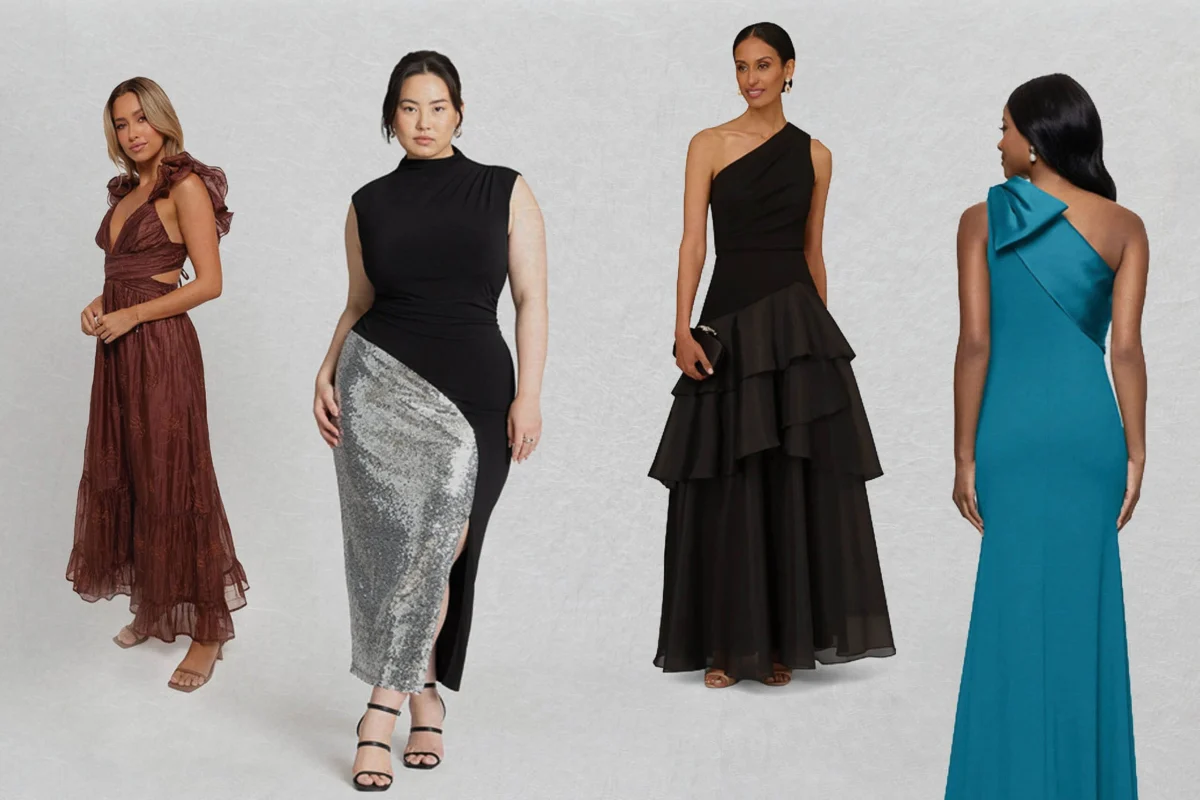
The global destination wedding market is projected to reach unprecedented heights by the mid-2020s, with industry analysts forecasting a significant shift in how guests approach formal attire for international and remote celebrations. As the 2026 wedding season approaches, the intersection of high fashion and logistical practicality has become the primary focus for major retailers. Nordstrom, a cornerstone of the American luxury retail landscape, has responded to this shift by curating a diverse collection of wedding guest dresses designed to navigate the complexities of travel, varying climates, and increasingly specific dress codes. This evolution in guest fashion reflects a broader trend toward experiential celebrations where the attire must serve as both a stylistic statement and a functional garment capable of enduring long-haul flights and outdoor environments.
The Economic and Cultural Context of 2026 Destination Weddings
The resurgence of the destination wedding is not merely a post-pandemic recovery but a fundamental change in matrimonial preferences. According to recent travel and wedding industry data, approximately 25% of couples planning nuptials in 2026 are opting for locations away from their primary residence, with a growing emphasis on "wedding weekends" rather than single-day events. This trend has necessitated a more robust wardrobe for guests, who are now often required to pack for multiple functions ranging from casual welcome beach parties to white-tie ceremonies in historic European estates.
The logistics of attending these events have driven a demand for "travel-ready" formalwear. Modern textile technology has introduced wrinkle-resistant crepe, high-density Mikado silk, and breathable chiffon blends that allow a gown to be unpacked and worn with minimal intervention. Nordstrom’s 2026 collection highlights these advancements, prioritizing silhouettes that maintain their structural integrity after being compressed in carry-on luggage.
Chronology of Wardrobe Planning for the Modern Guest
The timeline for selecting destination wedding attire has expanded as celebrations become more complex. Industry experts suggest a structured approach to wardrobe management:
- Twelve Months Prior: Receipt of the "Save the Date," which usually dictates the geographic location and climate considerations.
- Six Months Prior: Confirmation of the formal dress code. This is the period when guests begin scouting major collections, such as those offered by Mac Duggal and Tadashi Shoji, to ensure sizing availability.
- Three Months Prior: Final selection and acquisition. This allows time for professional tailoring, which is essential for floor-length gowns intended for uneven terrain like sand or vineyard soil.
- One Month Prior: Coordination of accessories and footwear. The 2026 trend emphasizes block heels and embellished flats to accommodate outdoor venues.
Deciphering the 2026 Dress Codes: From White-Tie to Casual
As wedding themes become more curated, dress codes have moved beyond the traditional "Formal" or "Cocktail" labels. Each category now carries specific expectations that Nordstrom’s latest collection aims to satisfy.
The Pinnacle of Formality: White-Tie and Black-Tie
White-tie remains the rarest and most rigid dress code in the modern era. Reserved for royal-adjacent ceremonies or high-society galas, it demands full-length gowns of exceptional quality. The Mac Duggal "Fully Beaded Gown" and the Kay Unger "Delfina Mikado Gown" represent the upper echelon of this category, utilizing heavy, structured fabrics that convey a sense of architectural elegance.
Black-tie, while slightly more flexible, still mandates evening glamour. The 2026 season sees a move toward dark, saturated hues and timeless silhouettes. Tadashi Shoji’s "V-Back Crepe Gown" and Alfred Sung’s "Eliza Column Gown" are standout examples, offering the sophisticated "tuxedo" aesthetic for women that has gained popularity in urban centers like New York and London.

The Formal and Semi-Formal Spectrum
Formal dress codes allow for a broader range of fabrics, including velvet and satin, which are particularly effective in evening light. The After Six "Strapless Velvet Gown" provides a texture-rich option for autumn or winter destination weddings.
Semi-formal attire serves as the bridge between traditional formality and contemporary ease. This code is highly dependent on the time of day. For daytime events, lighter shades and floral prints are preferred. The Petal & Pup "Mila Halter Dress" and the JS Collections "Seraphina One-Shoulder Organza Gown" offer the necessary movement for rooftop ceremonies or garden receptions.
Expressive Elegance: Cocktail and Casual
Cocktail attire in 2026 is characterized by "spirited yet tasteful" choices. This code encourages shorter hemlines and bolder textures. The Pisarro Nights "Beaded Mesh Column Gown" and the Helsi "Silvia Floral Cocktail Dress" cater to guests attending weddings in modern art galleries or boutique hotel lounges.
Casual dress codes, often found in tropical or rustic settings, require the most logistical planning regarding fabric choice. Linen and cotton are favored for their breathability in humid climates like Florida or Mexico. The Petal & Pup "Anabelle Midi Dress" and the Donna Karan "Sheath Maxi Dress" provide effortless silhouettes that transition easily from a beach ceremony to an alfresco dinner.
Supporting Data: The Logistics of Formalwear Travel
Market research into consumer behavior reveals that the average wedding guest spends between $200 and $800 on new attire for a destination event. However, there is a growing trend toward "investment pieces"—dresses that can be restyled for multiple occasions. Nordstrom’s inclusion of brands like A.L.C. and House of CB reflects this desire for versatility.
Furthermore, data from the textile industry indicates that 2026 will see a 15% increase in the use of recycled polyester and sustainable satin blends in formalwear. These materials are not only more environmentally conscious but are often engineered to be more durable and less prone to permanent creasing than traditional silk, making them ideal for the international traveler.
Industry Reactions and Expert Analysis
Fashion analysts suggest that the "Nordstrom approach"—offering a wide range of reliable sizing and travel-friendly fabrics—is a direct response to the "rental fatigue" seen in previous years. While dress rental services remain popular, many guests are returning to purchasing high-quality garments that offer a guaranteed fit and the ability to make permanent alterations.
"The 2026 guest is more informed than ever," notes a senior retail analyst specializing in luxury goods. "They are looking for a harmonious blend of comfort and style. They understand that a dress that looks beautiful but prevents them from dancing or walking on grass is a failure of design. The current collection at Nordstrom shows an acute awareness of the ‘celebration travel’ lifestyle."

Broader Impact and Implications
The evolution of wedding guest fashion has significant implications for the broader retail and travel industries. As guests invest more in their wardrobes, there is a corresponding increase in the demand for premium luggage and travel accessories. Retailers are increasingly offering "concierge-style" services, including in-store tailoring and travel-packing consultations.
Additionally, the focus on venue-specific attire has boosted local economies in destination hubs. Guests are no longer just buying a dress; they are purchasing a look that respects the cultural and environmental context of the host location. This "contextual dressing" promotes a more respectful and integrated travel experience.
Frequently Asked Questions for the 2026 Wedding Season
How does one ensure a gown remains pristine during international transit?
Experts recommend using a high-quality garment bag and hanging the dress immediately upon arrival. For fabrics like Mikado or structured crepe, a travel steamer is an essential tool. Nordstrom’s collection specifically features many "shake-and-wear" fabrics that require minimal heat to release minor packing lines.
What is the most versatile footwear for a multi-terrain wedding?
The block heel remains the dominant choice for 2026. It provides the height required for formal gowns while ensuring stability on grass, gravel, or sand. Metallic neutrals—gold, silver, and rose copper—are the most recommended shades as they complement almost any color palette.
How should guests approach "Black-Tie Optional"?
This remains one of the most confusing codes for guests. In 2026, the consensus is to lean toward the more formal end of the spectrum. A floor-length dress in a simpler fabric or a very polished midi dress with high-end accessories is considered the safest and most respectful choice.
As destination weddings continue to redefine the boundaries of traditional matrimony, the fashion industry’s pivot toward functional luxury ensures that guests can celebrate in style, regardless of the distance or the climate. The 2026 Nordstrom collection stands as a testament to this new era of global celebration.