
 Ana Megawati
The journey of Tracy and Adrian, spanning over three decades, offers a compelling narrative of a modern marriage defined by unwavering mutual support, profound resilience, and an unconventional evolution in the face of significant personal and geographical challenges. Their story, beginning with a youthful connection and maturing through shared adversities and global relocations, underscores the dynamic nature of long-term commitment and the enduring power of authenticity.
The Genesis of a Partnership: Early Years and Foundational Principles
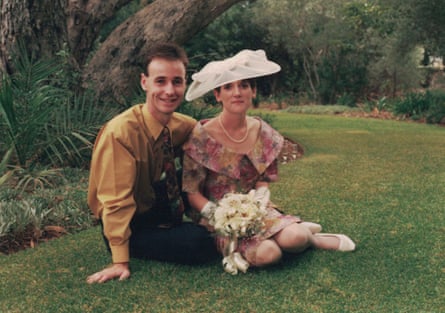
Tracy and Adrian’s relationship blossomed from an initial encounter when Tracy was 18, culminating in marriage five years later. The foundation of their bond was multifaceted, rooted in shared laughter, intellectual compatibility, and a mutual appreciation for Adrian’s distinct charm, humor, and even his casual style. However, the most pivotal element, as articulated by Tracy, was the immediate absence of pretense. Adrian, characterized as "what you see is what you get," fostered an environment of genuine acceptance, allowing Tracy to feel loved for her authentic self without the burden of expectation. This foundational honesty, a cornerstone of their early connection, proved crucial in navigating the complexities that lay ahead. Research into successful long-term relationships often highlights authenticity and open communication as key predictors of marital satisfaction and longevity, with studies indicating that couples who prioritize genuine self-expression report higher levels of intimacy and trust. This early establishment of trust and acceptance laid a robust groundwork for their partnership, providing a safe harbor as Tracy navigated the formative years of her early twenties, striving to establish her identity and place in the world. The decision to marry and plan a future together, amidst this period of self-discovery, was perceived by Tracy as simultaneously grounding and exhilarating, a testament to the stability and excitement Adrian brought into her life.
A Decade of Trials: Navigating Profound Personal Adversity
The couple’s third decade of life, Tracy’s 30s, was marked by an intense period of concentrated adversity, a compressed timeline of life events that would typically unfold over several decades. This period included severe medical challenges related to childbirth, a child’s critical surgery, and the heartbreak of secondary infertility. Concurrently, Tracy faced a cascade of family crises, including cancer diagnoses, bereavements, and the onset of dementia, culminating in the difficult process of settling her grandfather into aged care and delivering a eulogy at her father’s funeral. The cumulative impact of such profound stressors – physiological, emotional, and psychological – on an individual and a marriage cannot be overstated. Mental health experts consistently point to the significant strain that multiple concurrent life crises place on individuals, often leading to increased risk of anxiety, depression, and burnout. For couples, navigating these stressors requires immense resilience, robust communication, and a shared capacity for emotional support. The intensity of this period, with its profound grief, fear, and practical demands, served as an early, rigorous test of their marital fortitude. The ability to endure such a challenging phase together, without fracturing, suggests a deep underlying strength in their bond, where Adrian’s steady presence likely became an anchor amidst the storm.
The Global Leap: Life as Expats in Abu Dhabi

In the immediate aftermath of this emotionally taxing period, a new, unforeseen chapter began with Adrian receiving a job offer in Abu Dhabi. This proposition, while momentous, was not entirely alien to their shared vision. Travel had, in many respects, been an defining characteristic of their relationship from its inception; the day after their 1992 wedding, they embarked on an open-ended backpacking adventure, and the aspiration of living overseas with their children had long been a conversational thread in their shared future. The practicalities of this transition, however, were daunting. Tracy undertook the significant task of packing up her third home within six months – her childhood residence, her grandfather’s home, and then their own family home – a sequence of events that compounded the emotional weight of relocation. In 2009, they made the 12-hour flight to a desert city, and a few weeks later, Tracy turned 40. This milestone, coinciding with such a dramatic life change, was marked by Adrian’s gift of a simple silver ring and a matching pendant.
The decision to relocate internationally, particularly to a culturally distinct environment like Abu Dhabi, presents a unique set of challenges for families. While offering exciting opportunities for career advancement and cultural immersion, expatriate life often entails significant emotional and psychological adjustments, particularly for accompanying spouses and children. Studies on expat well-being frequently highlight issues such as social isolation, loss of familiar support networks, identity shifts, and the stress of navigating new bureaucratic and social systems. The move to Abu Dhabi, therefore, was not merely a change of address but a profound reorientation of their entire lives, demanding adaptability and an even deeper reliance on each other as their primary support system in an unfamiliar landscape.
Crisis and Reassurance: A Moment of Profound Vulnerability
The initial year in Abu Dhabi proved to be a period of intense personal crisis for Tracy. Whether the relocation served as a direct catalyst or merely exacerbated pre-existing vulnerabilities, she experienced debilitating panic attacks in public spaces, notably supermarkets, and endured sleepless nights gazing out at the city from their 17th-floor apartment. This period of acute emotional distress culminated one evening during the routine bedtime preparations with their young children. Tracy found herself overcome by uncontrollable crying, a profound emotional unraveling that filled her with a terrifying sense of permanence. In her vulnerability, she sought reassurance from Adrian, questioning if this state of profound despair was her new, immutable reality.
Adrian’s response in that critical moment was pivotal. Instead of dismissing her feelings or offering simplistic solutions, he offered validation and steadfast reassurance. Acknowledging their long shared history, he articulated his belief that her current state was temporary. "It’s OK," he affirmed, a simple yet profoundly impactful statement. This response, devoid of judgment and imbued with a deep understanding of her past and an unwavering belief in her future, did not diminish her immediate suffering but instilled in her a crucial sense of hope. Psychological research on crisis intervention and spousal support emphasizes the immense power of empathetic validation and a calm, confident presence during moments of extreme emotional fragility. Adrian’s ability to remain grounded and project a vision of recovery, without minimizing Tracy’s present truth, provided the emotional anchor she desperately needed, allowing her to believe in a future beyond her current despair. This incident underscores the critical role of a supportive partner in navigating mental health challenges, particularly in high-stress environments like expatriate relocation.
Forging Autonomy and Deeper Connection: The Period of Separation
Several years into their life in Abu Dhabi, in 2016, a strategic decision was made for Tracy to return to Australia with their children, while Adrian remained in Abu Dhabi to secure an Australian job. This arrangement led to a nearly two-year period of geographical separation, a choice that, while profoundly challenging, ultimately enriched their relationship. The temporary long-distance dynamic forced a renegotiation of roles and responsibilities, compelling Tracy to regain a robust sense of autonomy in managing the household and family life independently. For Adrian, it meant continuing his professional commitments while actively seeking opportunities to reunite his family.
Long-distance relationships, especially within marriage, present unique tests of commitment, communication, and trust. While often viewed negatively, some studies suggest that intentional periods of separation can, for certain couples, foster individual growth, enhance communication skills, and increase appreciation for shared time. In Tracy and Adrian’s case, this challenging interlude served to strengthen their bond by allowing for individual development and, crucially, cultivating a profound appreciation for each other’s presence upon reunion. The experience underscored that while physical proximity is often desired, a strong emotional and foundational connection can withstand significant periods of absence, ultimately leading to a more mature and appreciative partnership where presence is never taken for granted. This period of forced autonomy and subsequent reunion highlighted the resilience embedded within their marital framework.
The Unconventional Support System: Fueling a Creative Career
As their lives resettled in Australia, the dynamic between Tracy’s "fragmented creative practice" and Adrian’s "successful, traditional" career as an engineer became more pronounced. While Tracy admits to moments of envy for the conventional markers of success in Adrian’s profession, she cherishes the unexpected collaborative opportunities her writing and performance endeavors bring. Adrian’s support transcends mere emotional reassurance; he is an active participant in her creative pursuits, building sets, managing front-of-house operations, and providing essential sustenance during demanding tech runs. His role as the "good-natured straight guy" for many of her jokes further illustrates his deep involvement and understanding of her artistic voice.
This model of spousal support, where one partner actively facilitates the other’s non-traditional career, reflects an evolving landscape of modern partnerships. Research on dual-career couples often focuses on the challenges of balancing professional ambitions, but increasingly, studies highlight the importance of one partner’s robust support for the other’s less conventional or financially uncertain creative ventures. Adrian’s enthusiastic declaration, "I love it," when Tracy acknowledged her demanding nature during the preparation for her most recent solo show, speaks volumes about his genuine investment and enjoyment in her success. This partnership exemplifies a flexible and mutually empowering dynamic, where success is not solely measured by traditional career metrics but by the shared fulfillment derived from supporting each other’s passions and dreams, blurring the lines between personal and professional spheres.
Future Horizons: A Shared Vision for the Golden Years
Looking ahead, Tracy envisions a vibrant and active retirement for herself and Adrian, specifically for their 60s. Her ambitious plans involve Adrian, upon his retirement within the next decade, transitioning into the role of a "full-time roadie" as they tour her shows across regional Australia. This shared vision for their later years is a testament to their enduring partnership and Adrian’s continued, integral role in her creative life. It signifies a future where their individual passions coalesce into a joint venture, reinforcing the idea that a lifelong partnership can continue to evolve, offering new avenues for collaboration and shared experiences. This prospective chapter underscores their commitment to a dynamic life together, where Adrian’s practical support and unwavering presence remain central to Tracy’s artistic aspirations, transforming the traditional retirement narrative into one of creative collaboration and continued adventure.
Symbolism of Enduring Love: The Silver Ring’s Narrative

A recent holiday provided a lighthearted yet profoundly symbolic moment when Tracy playfully dubbed Adrian an "Influencer Husband," instructing him to simply take photos of her and offer the affirming phrase, "Looking good, babe." The photos he captured, subsequently posted online, drew attention not to the "Influencer Husband" concept, but to a specific piece of jewelry Tracy was wearing: the simple silver ring Adrian had given her on her 40th birthday in Abu Dhabi. This observation led Tracy to reflect on her choice to wear this particular ring daily, in contrast to her wedding ring, about which she admits feeling a lifelong ambivalence regarding the institution of marriage itself.
The silver ring, received during a period of intense personal vulnerability and geographical displacement, has become a potent symbol of Adrian’s steadfast support during her "messiest and darkest" emotional state. It represents not the formality of a marital contract, but the profound, unconditional acceptance and reassurance offered when she most needed it. In many cultures, jewelry, particularly rings, carries deep symbolic meaning, often signifying commitment, memory, or milestones. For Tracy, this silver ring transcends conventional marital symbolism, embodying the core strength of their partnership – a commitment rooted in authentic connection and resilient support through life’s storms, rather than societal expectations. Its daily wear signifies an enduring personal covenant, a quiet testament to the moment Adrian’s belief in her future pulled her back from the precipice, solidifying its place as the truest emblem of their unique and evolving love story.
Conclusion: A Modern Tapestry of Love, Adaptability, and Mutual Devotion
The narrative of Tracy and Adrian is more than a personal anecdote; it is a compelling case study in the modern evolution of marriage and partnership. Their journey illustrates that the strength of a relationship is forged not merely in romantic idealism, but in the crucible of shared challenges, global transitions, and unwavering mutual support. From the foundational authenticity of their early connection to Adrian’s pivotal role in navigating Tracy’s emotional crisis in Abu Dhabi, and his ongoing, multifaceted support for her creative career, their story highlights the adaptability and resilience required for a long-term bond to flourish.
Their experiences underscore several critical implications for contemporary relationships: the importance of genuine acceptance over societal expectations, the profound impact of spousal support on mental well-being, the capacity for relationships to strengthen through periods of both proximity and separation, and the beauty of unconventional partnerships where roles evolve to support individual and shared dreams. Tracy and Adrian’s enduring connection, symbolized by a simple silver ring rather than a traditional wedding band, stands as a powerful testament to a love that is continuously redefined, deepened, and enriched by life’s unpredictable currents, proving that true partnership thrives on profound companionship, unwavering belief, and a shared commitment to navigating every chapter, no matter how challenging or unconventional.








