Reynand Wu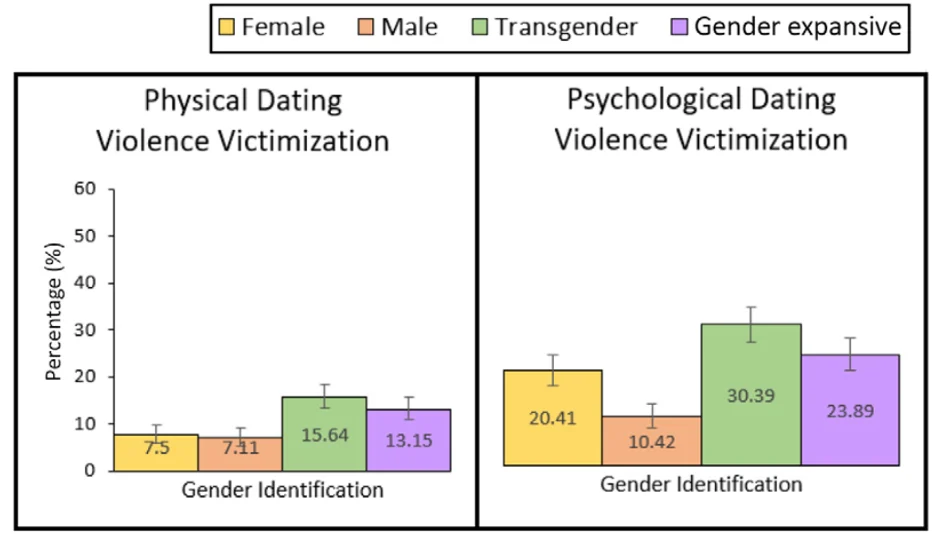
Sociologists have increasingly turned their attention to the complexities of modern romantic and sexual interactions, examining phenomena like hookup culture and the evolving dynamics of dating. However, a critical oversight persists in much of this discourse: the lived experiences of transgender individuals are frequently marginalized or entirely absent. Furthermore, analyses often remain overly fixated on college campuses, despite the widespread adoption and influence of dating applications across diverse age demographics, which have fundamentally reshaped how individuals seek connection. This narrow focus inadvertently obscures a significant population navigating unique vulnerabilities and systemic challenges within contemporary dating environments.
The imperative to center trans experiences in this sociological inquiry is underscored by compelling research revealing stark disparities in safety and well-being. A pivotal 2021 study, for instance, illuminated that transgender youth face alarmingly higher rates of dating violence compared to their cisgender counterparts. Specifically, trans youth were found to be twice as likely as cisgender women to have experienced physical dating violence and an unsettling fifty percent more likely to have endured psychological dating violence. These statistics paint a grim picture of the heightened risks trans individuals encounter when pursuing romantic or sexual relationships.
Building on this foundation, a subsequent 2023 study delved deeper into the qualitative aspects of these experiences, identifying common threads of marginalization and prejudice. Among the most frequently reported issues were fetishization and the pervasive burden of contending with others’ preconceived notions and assumptions about trans people. Participants recounted disheartening encounters where their identities were reduced to stereotypes or sexualized tropes. "Because I’m a trans woman, people instantly assume that I must be this massive bottom," one participant articulated, highlighting the dehumanizing and reductive nature of such assumptions. Another participant, a trans man, echoed this sentiment of being unseen for who they truly are, stating, "I just felt like they weren’t talking to me. They were talking to an idea they had about me." These testimonies reveal a profound disconnect, where trans individuals often feel that prospective partners engage with a fabricated image rather than their authentic selves, leading to feelings of invalidation and emotional distress.
Navigating the Digital Landscape: Disclosure and Danger
The advent of dating applications has introduced a new layer of complexity to the dating lives of trans individuals, particularly concerning the critical decision of identity disclosure. Other research has meticulously examined the various strategies trans people employ to reveal their trans identity to prospective partners on these digital platforms. A significant majority of participants reported proactively and explicitly disclosing their identity early in interactions, a choice often driven by profound safety concerns. The fear of violence, a tangible and ever-present threat, looms large in their decision-making processes. One genderfluid participant, residing in a rural area where social isolation can exacerbate risks, articulated this acute vulnerability chillingly, stating that when meeting someone face-to-face from a dating app, they invariably thought, "that person could be the person that kills me." This stark confession underscores the life-or-death stakes that can accompany seemingly routine social interactions for trans individuals.
Conversely, some trans individuals opt for more subtle, "softer" disclosure methods. This might involve strategically curating their dating app profiles to showcase different facets of their identity through multiple profile pictures, hoping to convey their truth implicitly rather than explicitly. This nuanced approach often reflects a delicate balancing act: a desire for authenticity coupled with a cautious attempt to gauge a potential partner’s openness and acceptance before fully revealing their identity. The digital realm, while offering avenues for connection, simultaneously presents a minefield of potential misunderstandings, prejudice, and outright danger for trans daters.
Intersectionality of Vulnerability: Heightened Risks for Marginalized Trans People
The landscape of dating violence and discrimination within the trans community is not uniform; rather, it is deeply shaped by intersectional identities. A separate 2021 study shed light on this crucial dimension, finding that Black, Indigenous, and People of Color (BIPOC) trans individuals, queer trans people, and transfeminine individuals are disproportionately more likely to have experienced dating violence. This research highlights how racial, sexual, and gender identities converge to create compounded layers of vulnerability, amplifying the risks faced by already marginalized groups within the trans community.
Further reinforcing this understanding, a 2022 study specifically investigated the dating experiences of BIPOC trans women. This research revealed a particularly insidious form of stigma and violence: their cisgender male partners would frequently go to great lengths to conceal their relationships from public view. This secrecy, often driven by societal transphobia and homophobia, carried severe consequences, including both physical violence and profound psychological trauma for the trans women involved. One participant powerfully articulated the deadly ramifications of such concealment: "We getting killed just because of the guys here were scared that they secret would come out." This statement directly links the societal stigma surrounding relationships with trans women to extreme violence, exposing a deadly dynamic where trans women’s lives are endangered by their partners’ fear of exposure.
In response to these pervasive threats, BIPOC trans women reported engaging in a range of "survival strategies." These tactics are not merely coping mechanisms but active measures taken to mitigate risk in hostile environments. They include hypervigilance, a constant state of alertness to potential threats; dressing in ways intended to avoid being "found out" or targeted; and actively avoiding certain men perceived as dangerous. These strategies, while essential for immediate safety, come at a significant psychological cost, contributing to chronic stress, anxiety, and a profound sense of insecurity in their daily lives and relationships. The constant need to manage one’s presentation and environment for safety is a heavy burden, underscoring the systemic nature of the challenges they face.
Towards a Safer Future: Recommendations and Broader Implications
The authors of these critical studies are not merely documenting problems; they are actively suggesting evidence-based remedies aimed at fostering safer and more inclusive dating environments for trans people. The recommendations fall into several key categories, addressing systemic issues across education, technology, and legal frameworks.
Firstly, a resounding call has been made for comprehensive trans-inclusive education. This encompasses integrating trans-affirming content into school curricula, expanding sex education to be explicitly inclusive of diverse gender identities and expressions, and implementing specialized violence prevention training. Such educational initiatives have demonstrated efficacy in increasing comfort levels among trans individuals and their partners, fostering greater understanding, empathy, and respect. By normalizing trans identities and relationships, these programs can dismantle harmful stereotypes and reduce the likelihood of prejudice-driven violence.
Secondly, the research points to the critical role of dating applications in both perpetuating and potentially alleviating these issues. Users, particularly trans individuals, expressed a strong desire for improved filtering options on these platforms. As one person eloquently stated, reflecting a common sentiment, "The majority of the interactions I have with cis men on dating apps are just shit, full stop . . . can I have less of them pop up?" This highlights the need for apps to empower trans users to better control their dating experience, minimizing exposure to harassment, fetishization, and potentially dangerous interactions by allowing them to filter out undesirable demographics or behaviors. Dating app companies have a moral and ethical responsibility to create safer digital spaces for all users, especially those most vulnerable.
Finally, some study authors have strongly recommended the prohibition of "trans panic defenses." These are legal strategies where perpetrators of violent crimes, including murder, attempt to justify their actions by claiming a temporary loss of control or sanity upon discovering their victim is transgender. Such defenses are inherently transphobic, legitimizing violence against trans individuals and perpetuating the dangerous notion that a person’s trans identity can excuse violent acts. Banning these defenses would send a clear message that violence against trans people is unacceptable and will not be excused by discriminatory prejudices, thereby offering greater legal protection and justice for victims. As of 2023, several U.S. states and territories have banned the "gay/trans panic" defense, but it remains legal in many others, highlighting an ongoing legislative battle.
Broader Societal Context and the Path Forward
The urgency of addressing these issues cannot be overstated, especially as trans people achieve unprecedented levels of visibility in media, culture, and public life. This increased visibility, while positive in many respects, has also been met with a significant backlash. The year 2023, for instance, marked a record surge in anti-trans legislation across the United States, targeting everything from healthcare access to participation in sports. This dual reality of growing visibility alongside escalating systemic attacks creates a precarious environment for trans individuals, making the need for safer social and relational spaces all the more critical.
The social science research discussed herein serves as a vital compass, guiding efforts to construct a safer and less anxious future for trans people as they navigate the universal human desire for romantic and sexual connection. It underscores that making dating safer for trans individuals is not merely an act of kindness but a fundamental requirement for social justice and equality. This requires a multi-pronged approach involving not only individual awareness and empathy but also systemic changes in education, technology, and legal protections. The collective responsibility lies with educators, policymakers, technology developers, and every individual to cultivate environments where trans people can pursue relationships free from fear, prejudice, and violence, fostering genuine connection and well-being for all.
Leah Long is a history and sociology student at Macalester College who researches and writes about trans history and politics.