Danny Garick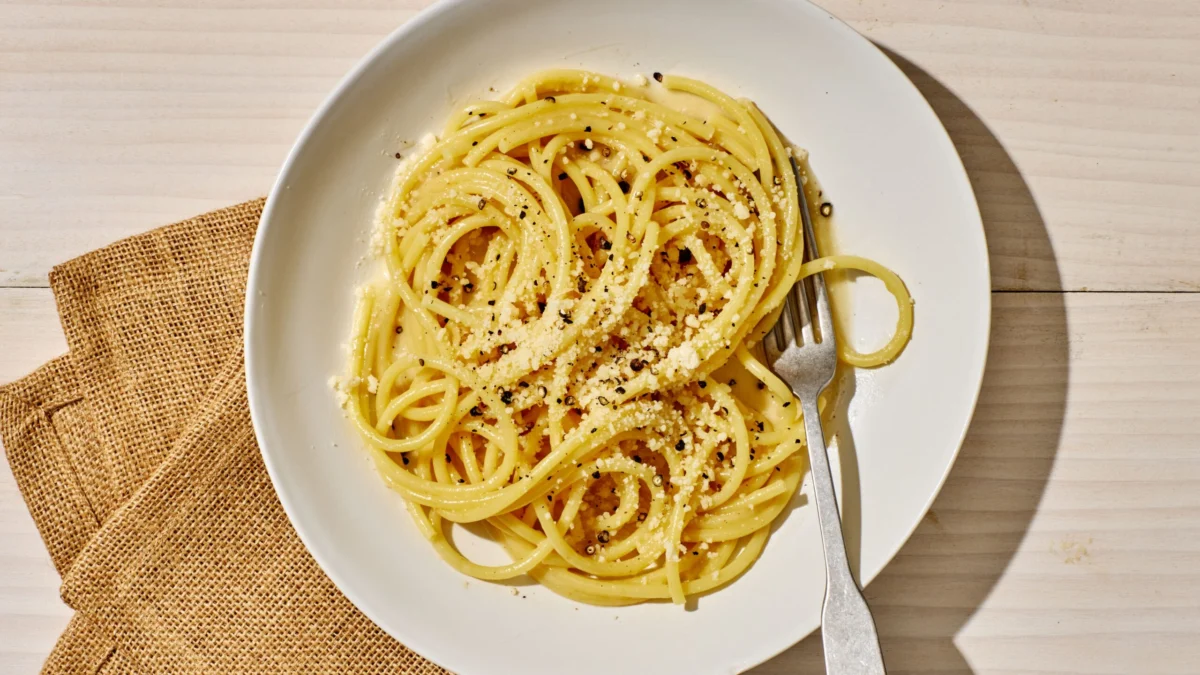
Cacio e pepe represents one of the most significant pillars of Roman culinary identity, standing alongside carbonara and amatriciana as the definitive trio of the city’s pasta tradition. While the dish is celebrated for its elegant simplicity, its execution remains a rigorous test of a chef’s technical skill and understanding of ingredient chemistry. In its most classical form, the dish consists of only three components: pasta, freshly ground black pepper, and Pecorino Romano cheese. However, modern culinary evolution has introduced subtle modifications, such as the addition of butter to aid emulsification and the inclusion of Parmesan to balance the aggressive salinity of the sheep’s milk cheese. This evolution reflects a broader trend in Italian gastronomy, where traditionalism meets the demands of contemporary palates and the pursuit of technical perfection in the domestic and professional kitchen.
The Historical Foundations of Roman Pasta Culture
The origins of cacio e pepe are deeply rooted in the pastoral history of the Lazio region. Historically, shepherds moving their flocks during the seasonal migration known as transhumance required sustenance that was portable, energy-dense, and resistant to spoilage. Dried pasta provided necessary carbohydrates, peppercorns stimulated the metabolism and provided warmth, and Pecorino Romano—a hard cheese made from sheep’s milk—offered a long-lasting source of protein and fat. Because these ingredients did not require refrigeration, they became the staple of the Roman countryside long before the dish transitioned into the urban trattorias of the Eternal City.
The chronology of cacio e pepe’s rise to international prominence follows the post-World War II economic boom in Italy. As Rome became a focal point for global tourism in the 1950s and 60s, local tavern keepers refined these shepherd staples for a burgeoning middle class and international visitors. By the late 20th century, the dish had moved from humble origins to being featured on the menus of Michelin-starred establishments, where the focus shifted from mere sustenance to the "mantecatura"—the technique of creating a creamy sauce without the use of cream.
The Chemistry of Emulsification: Why Technique Matters
Achieving a perfectly silky sauce in cacio e pepe is a feat of molecular gastronomy. The primary challenge lies in the protein structure of the cheese. Pecorino Romano is a hard, aged cheese with a high protein-to-fat ratio. When exposed to direct, high heat, the proteins in the cheese tend to tighten and clump together, separating from the fat and creating a grainy, unappealing texture. To prevent this, culinary experts emphasize the importance of grating the cheese on the finest holes of a box grater rather than using a Microplane. This creates a denser, more uniform particle size that melts more predictably when introduced to liquid.
The role of "liquid gold"—the starchy water in which the pasta is cooked—cannot be overstated. As pasta boils, it releases amylose and amylopectin into the water. This starchy byproduct acts as a stabilizing agent, or emulsifier, which binds the fat from the cheese and butter with the water. When the cheese is added gradually off the heat, the starch molecules coat the cheese proteins, preventing them from bonding with each other and instead forcing them to stay suspended in a smooth, velvety emulsion. This technical necessity is why professional chefs recommend lifting pasta directly from the pot into the pan with tongs, ensuring that a sufficient amount of starchy water is carried over to facilitate the sauce’s development.
Ingredient Profiles and Regional Standards
The integrity of cacio e pepe relies heavily on the quality of its limited ingredients. Pecorino Romano, which holds a Protected Designation of Origin (DOP) status under European Union law, must be produced according to strict regional standards. It is known for its sharp, salty, and tangy profile, derived from the milk of sheep raised in Lazio, Tuscany, and Sardinia. To mitigate the intensity of the Pecorino, many contemporary recipes incorporate a secondary cheese, such as Parmigiano-Reggiano or Grana Padano. These cow’s milk cheeses provide a nutty richness and a softer finish, creating a more balanced flavor profile that appeals to a wider range of palates.
Black pepper, the "pepe" of the dish, serves as more than just a seasoning; it is a primary flavor component. The use of pre-ground pepper is widely discouraged by culinary authorities, as the volatile oils that provide the pepper’s characteristic heat and floral aroma dissipate quickly once the outer husk is broken. Coarsely grinding or crushing whole peppercorns in a mortar and pestle just before cooking ensures maximum potency. Furthermore, toasting the crushed pepper briefly in a fat source—such as butter or a small amount of olive oil—allows the piperine and aromatic compounds to "bloom," intensifying the flavor before the pasta and cheese are introduced.
The Evolution of Pasta Pairings
While the sauce is the focus, the choice of pasta is critical to the dish’s structural success. Traditionally, cacio e pepe is served with tonnarelli, a fresh egg pasta from the Lazio region characterized by its square cross-section and porous surface, which is ideal for "gripping" the sauce. However, as the dish has traveled globally, dried long pastas like spaghetti and bucatini have become standard substitutes.
The selection of pasta also impacts the starch content of the cooking water. High-quality, bronze-die extruded pastas are preferred because they have a rougher surface area, which releases more starch into the water and provides a better "key" for the sauce to cling to. Data from the Italian pasta industry suggests a significant preference for bronze-die products in premium cooking, as they facilitate the emulsification process required for cheese-based sauces.
Supporting Data and Economic Impact
The global popularity of cacio e pepe has had a measurable impact on the export of Italian agricultural products. According to data from the Consorzio per la Tutela del Formaggio Pecorino Romano, exports of the cheese have seen steady growth over the last decade, with the United States remaining one of the largest markets outside of Europe. In 2022, Italy exported over 20,000 tons of Pecorino Romano, a testament to the global reach of Roman culinary traditions.
Similarly, the "Cacio e Pepe" flavor profile has transcended the pasta bowl, appearing in various snack foods, gourmet pizzas, and even high-end appetizers in major metropolitan hubs like New York, London, and Tokyo. This "cacio e pepe-ification" of the food industry underscores the dish’s status as a versatile and beloved flavor benchmark.
Professional Perspectives and Culinary Standards
Industry experts and renowned chefs often weigh in on the debate between traditionalism and modern convenience. Traditionalists argue that the addition of butter is a "cheat" that masks poor technique, while modernists view it as a practical tool for ensuring consistency, especially in a high-volume restaurant setting.
Statements from culinary instructors at institutions like the Gambero Rosso Academy emphasize that regardless of the specific recipe used, the temperature remains the most critical variable. If the pan is too hot, the cheese clumps; if it is too cool, the fat will not emulsify. The consensus among professionals is that the dish must be served immediately—within seconds of the final toss—as the emulsion begins to break as soon as the temperature drops.
Broader Implications and Future Trends
The enduring relevance of cacio e pepe speaks to a broader movement in the global food industry toward "minimalist luxury." In an era where consumers are increasingly wary of over-processed foods and complex ingredient lists, a dish that relies on three or four high-quality components offers a sense of transparency and authenticity.
The dish also serves as an entry point for home cooks to learn fundamental kitchen sciences, such as starch-based thickening and fat-water emulsification. As domestic interest in authentic Italian cooking continues to rise, cacio e pepe remains a benchmark for those looking to master the balance of salt, fat, and heat.
Looking forward, the dish is likely to remain a staple of both home kitchens and fine dining. While variations involving seafood, truffles, or alternative grains may appear as seasonal trends, the core identity of cacio e pepe—defined by the sharp bite of Pecorino and the warming glow of black pepper—is firmly etched into the global gastronomic canon. Its transition from a shepherd’s trail meal to a global icon is a reminder that in the world of cuisine, simplicity is often the ultimate sophistication.