Nila Kartika Wati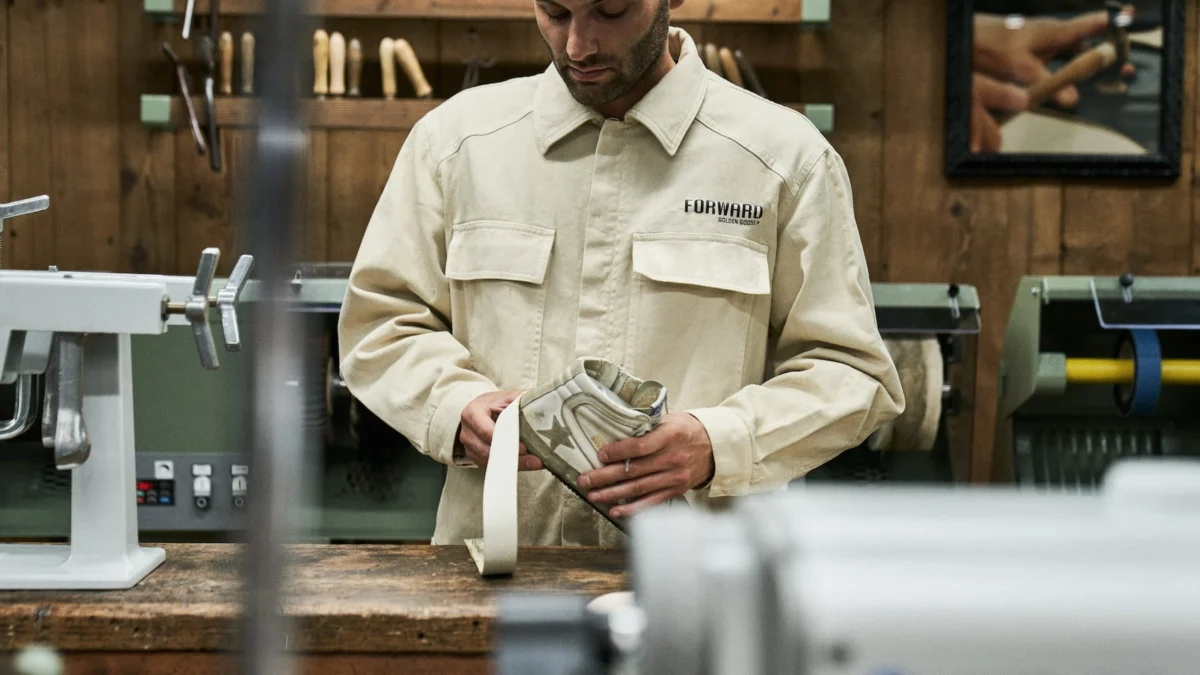
After a period of reassessment and recalibration, Chinese capital is once again making its presence felt in the Western fashion and sportswear markets. However, this resurgence is marked by a distinct shift in strategy, moving away from the aggressive, high-growth expectations of the past towards a more measured, long-term approach. This evolution, driven by lessons learned from previous ventures and a more sophisticated understanding of global market dynamics, raises a critical question: will this new, more cautious strategy prove successful in navigating the complexities of Western luxury and fashion brands?
The Shifting Sands of Chinese Investment in Western Fashion
The initial wave of Chinese investment in Western fashion labels, particularly in the decade preceding the COVID-19 pandemic, was often characterized by ambitious targets for rapid expansion and market penetration. Driven by a burgeoning domestic consumer base with an increasing appetite for international brands, Chinese investors sought to acquire established names and leverage their capital to unlock new growth avenues. However, the reality of integrating and expanding these brands within vastly different cultural and economic landscapes proved more challenging than anticipated.
Several high-profile acquisitions and investments encountered hurdles. Some brands struggled to adapt to the specific demands of the Chinese market, while others faced difficulties in maintaining their brand identity and heritage under new ownership. The rapid pace of expansion sometimes outstripped operational capabilities, leading to diluted brand experiences and, in some cases, financial underperformance. The pandemic further exacerbated these challenges, disrupting global supply chains, retail operations, and consumer spending patterns, forcing a pause and a period of introspection for many investors.
Lessons Learned: From Breakneck Growth to Strategic Integration
The current phase of Chinese investment appears to be informed by these past experiences. Investors are now demonstrating a greater emphasis on due diligence, seeking brands with strong inherent value, clear brand narratives, and a demonstrable ability to connect with consumers. The focus has shifted from simply acquiring a name to strategically integrating it within a broader portfolio or leveraging specific expertise to foster organic growth.
One notable example of this evolving approach is the acquisition of luxury sneaker maker Golden Goose by Chinese investor HSG (formerly known as Shandong Ruyi International Fashion Holdings). While Golden Goose has a strong existing presence in Western markets, the investment signifies a move to support and further develop an established brand with a unique value proposition – its emphasis on craftsmanship and its innovative repair service, as highlighted in the accompanying image. This contrasts with earlier strategies that might have aimed for immediate, large-scale market capture.
The Data Behind the Shift
While precise, up-to-the-minute data on all Chinese investment in Western fashion is complex to aggregate due to the private nature of many deals, industry trends indicate a more discerning approach. Reports from financial advisory firms and market research agencies specializing in cross-border M&A suggest a slowdown in the sheer volume of deals compared to the peak years, but an increase in the quality and strategic intent behind the transactions that do occur.
For instance, while the total value of Chinese outbound investments in the luxury sector may fluctuate, the average deal size for strategic acquisitions aimed at brand building and long-term value creation is reportedly becoming more significant. This suggests that investors are willing to commit substantial capital, but with a clearer roadmap and a more realistic timeline for returns.
Furthermore, a deeper dive into the types of brands attracting Chinese capital reveals a preference for those with:
- Strong Brand Heritage and Identity: Brands that have a well-established story and a loyal customer base are seen as less risky and offer a solid foundation for future growth.
- Unique Value Propositions: Companies offering specialized products, artisanal craftsmanship, or innovative business models (like Golden Goose’s repair service) are appealing as they stand out in a crowded market.
- Resilient Business Models: Brands that have demonstrated an ability to adapt to changing consumer preferences and market conditions are prioritized.
A Chronology of Evolving Investment Strategies
To understand this shift, it’s helpful to consider a simplified chronology:
- Pre-2015: Early stages of Chinese investment in Western fashion, often characterized by a focus on acquiring brands to cater to the growing domestic Chinese luxury market. Deals were sometimes driven by ambition and a desire for quick market access.
- 2015-2019: A peak period of M&A activity, with Chinese conglomerates actively acquiring Western fashion houses and brands. Expectations for rapid expansion and integration were high, leading to some ambitious but ultimately challenging growth targets.
- 2020-2021: The COVID-19 pandemic significantly disrupted global markets, leading to a temporary but impactful slowdown in cross-border investment. This period forced a critical reassessment of existing strategies and the viability of certain expansion plans.
- 2022-Present: A resurgence of Chinese capital, but with a marked difference in approach. Investments are more targeted, strategic, and focused on long-term value creation and brand building, rather than solely on rapid market capture. A greater emphasis is placed on supporting existing brand strengths and leveraging operational expertise for sustainable growth.
Voices from the Industry: Navigating the New Landscape
While specific statements from Chinese investors regarding their current strategies are often not publicly disclosed, industry observers and financial analysts provide valuable insights. Many note that the emphasis is now on partnership and collaboration. Instead of imposing a rigid, top-down expansion plan, investors are more inclined to work with existing management teams, respecting brand heritage and integrating Chinese market insights in a nuanced way.
"We are seeing a more sophisticated investor," commented one senior M&A advisor specializing in the fashion sector. "They understand that Western luxury is built on decades, sometimes centuries, of heritage and brand equity. The goal is not to dismantle that, but to enhance it, to bring new resources and market access while preserving what makes the brand special."
This perspective suggests that the "breakneck expansion" of the past is being replaced by a more deliberate and integrated growth strategy. The success of this approach hinges on the ability of Chinese investors to effectively bridge cultural divides, understand diverse consumer behaviors, and implement operational strategies that support, rather than dilute, the core values of the acquired brands.
Broader Implications for the Global Fashion Ecosystem
The evolving investment landscape has significant implications for both Chinese investors and the Western fashion industry.
For Chinese investors, this new strategy offers a more sustainable path to acquiring valuable assets and building a diversified global portfolio. By tempering expectations and focusing on strategic integration, they reduce the risk of costly missteps and increase the likelihood of long-term returns. This approach also allows them to gain deeper expertise in managing and growing established Western brands, which can then be applied to their own domestic ventures.
For Western fashion brands, the influx of discerning Chinese capital can be a source of much-needed investment for innovation, global expansion, and digital transformation. The emphasis on brand heritage and long-term value creation is particularly beneficial, ensuring that acquisitions support rather than undermine the brand’s core identity. However, brands must also be prepared for a more collaborative, rather than purely transactional, relationship with their new investors.
The success of this more measured approach will ultimately be determined by the ability of Chinese investors to demonstrate patience, cultural sensitivity, and a genuine commitment to preserving and enhancing the brands they invest in. If they can successfully navigate these complexities, this new era of investment could usher in a period of mutually beneficial growth and innovation within the global fashion ecosystem. The era of simply buying Western brands for rapid market capture appears to be over, replaced by a more strategic, and potentially more fruitful, approach to cross-border fashion investment.