Jono Maryono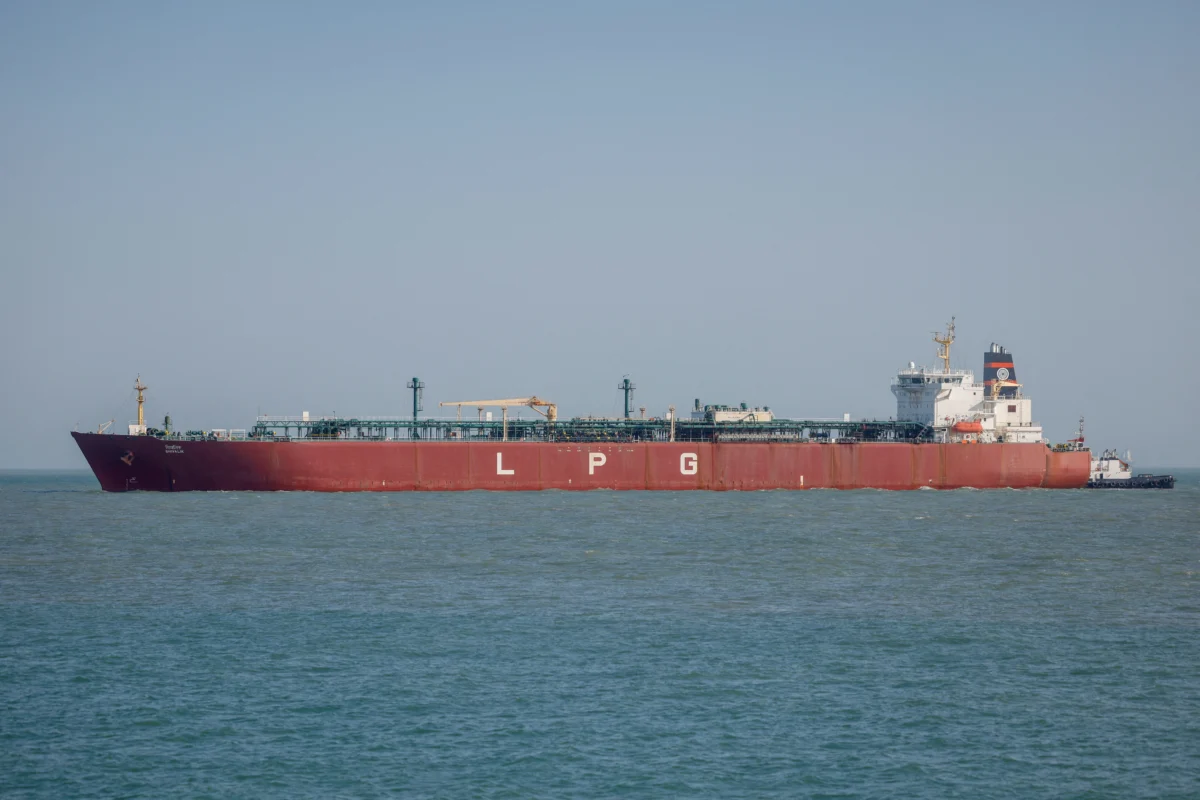
In a significant move aimed at mitigating the economic fallout of escalating international conflict and its impact on domestic energy prices, United States President Donald Trump has issued a temporary waiver for the century-old Jones Act. This executive action, announced on Wednesday, allows foreign-flagged vessels to transport cargo to U.S. ports for a period of 60 days. The decision comes at a critical juncture, as the United States and its allies, notably Israel, engage in a protracted military operation against Iran, a conflict that has severely disrupted global shipping lanes and sent fuel costs soaring.
The Jones Act, officially known as the Merchant Marine Act of 1920, mandates that goods shipped between U.S. ports must be carried on vessels that are U.S.-built, U.S.-flagged, and predominantly U.S.-owned. This protectionist legislation, designed to bolster the American maritime industry and national security, has historically limited the availability of tankers for domestic shipments. While supported by maritime industry unions who advocate for American jobs and shipbuilding, the act’s restrictions have come under scrutiny during periods of supply chain strain.
The White House stated that the waiver is intended to alleviate rising fuel costs by increasing the availability of shipping vessels for domestic transportation. White House Press Secretary Karoline Leavitt articulated the administration’s rationale, asserting, "This action will allow vital resources like oil, natural gas, fertilizer, and coal to flow freely to U.S. ports for sixty days, and the Administration remains committed to continuing to strengthen our critical supply chains." This measure is part of a broader strategy to stabilize energy markets and ensure the uninterrupted flow of essential commodities.
The Geopolitical Catalyst: War in the Persian Gulf
The timing of this Jones Act waiver is inextricably linked to the ongoing U.S. and Israeli-led war against Iran, which commenced less than three weeks prior to the announcement. A key flashpoint in this conflict has been the Strait of Hormuz, a narrow and strategically vital waterway that serves as a critical chokepoint for global energy trade. Iran, as part of its counteroffensive and retaliatory measures, has largely intensified efforts to disrupt maritime traffic through this passage.
The Strait of Hormuz is a crucial artery, connecting the Persian Gulf to the Indian Ocean. Approximately one-fifth of the world’s oil and liquefied natural gas supply transits through this vital trade route. Since the onset of hostilities on February 28th, the number of vessels passing through the strait has dramatically decreased. Reports indicate that only about 90 ships have successfully navigated the passage since the war began, while an alarming 20 vessels have been subjected to attacks in the region.
The disruption has led to a significant backlog, with more than 400 vessels reportedly stranded in the vicinity of the strait, according to data from Kpler, a global market intelligence platform. This severe blockage has inevitably exerted upward pressure on global fuel prices. In response to these rising costs, President Trump had previously indicated plans to release 172 million barrels of oil from the U.S. government’s Strategic Petroleum Reserve, a national stockpile maintained for emergency situations.
Skepticism from the Maritime Industry
Despite the administration’s claims, leaders within the maritime industry have expressed skepticism regarding the effectiveness of the Jones Act waiver in substantially lowering gasoline prices. Representatives from the American Maritime Officers, a prominent maritime labor union, articulated their concerns in a letter to President Trump earlier this month. They argued, "Waiving the Jones Act would do nothing to reduce gasoline [petrol] prices. In fact, the primary driver of gasoline prices is the cost of crude oil, not domestic shipping costs."
The union further cautioned that such a waiver could inadvertently benefit foreign operators who may circumvent U.S. tax obligations, rely on low-wage labor, and operate under less stringent international labor and vessel safety standards. This perspective highlights the long-standing debate surrounding the Jones Act, balancing its role in domestic economic protection with the potential for international market pressures to influence pricing.
Expert Analysis: Limited Impact on Pump Prices
Experts in energy markets and logistics have largely echoed the sentiment that the Jones Act waiver’s impact on retail fuel prices at the pump will be marginal, if discernible at all. Rachel Ziemba, a senior fellow at the Center for a New American Security, suggested that the waiver is designed to complement the Strategic Petroleum Reserve release, enhancing its effectiveness by reducing the logistical costs of moving fuel within the U.S. "The waiver of the Jones Act helps to make the Strategic Petroleum Reserve release more effective and reduces the costs of getting fuel from the Gulf Coast to other parts of the US," Ziemba explained. However, she added, "It won’t add supplies on its own, though – just mitigates some friction of getting supplies to the Northeast and, to an extent, the Pacific coasts and US territories."
Patrick De Haan, head of petroleum analysis at GasBuddy, an app that tracks fuel costs, provided a more quantitative assessment. He noted that the waiver "will simplify logistics, making it slightly cheaper and easier for products to flow, mainly from the Gulf to the US Northeast." Nevertheless, De Haan cautioned against expecting dramatic price reductions, stating, "It won’t have a ‘visible’ impact in reducing prices at the pump as of now; it will merely offset rising retail prices. I estimate it may offset 3 to 10 cents per gallon ($0.007 to $0.02 per litre) of price increases." This estimate aligns with previous analyses, including a 2022 study that projected only a 10-cent per gallon saving for East Coast drivers.
Further reinforcing this cautious outlook, David St Amand, president of the maritime consulting firm Navigistics Consulting, argued that any direct benefit to consumers at the pump is unlikely to be material. "A Jones Act waiver is unlikely to reduce the price of gasoline at the pump, and any claims of a material – eg, $0.05 – benefit to US consumers is not possible. Any benefit would almost certainly flow to new entrants to the market – eg, commodity traders," St Amand stated. This suggests that any cost efficiencies gained through the waiver might be absorbed by intermediaries rather than directly passed on to the end consumer.
Broader Economic Ripples and Market Reactions
The decision to suspend the Jones Act has also coincided with shifts in financial markets. In midday trading following the news, major U.S. stock indices experienced declines, with the Nasdaq and the S&P 500 both down by 0.5 percent, and the Dow Jones Industrial Average falling by 0.8 percent. This broader market downturn may reflect investor sentiment concerning the escalating geopolitical situation and its potential economic ramifications.
Conversely, the announcement has generated positive movement for certain shipping and logistics companies. Shares for major players like Maersk, a global shipping giant that had previously suspended shipments through the Strait of Hormuz, saw a 2.5 percent increase. Similarly, Hapag-Lloyd AG, another container shipping company that halted transit operations in the affected region, experienced a 2.6 percent rise in its stock value. These gains suggest that the market anticipates increased business for these entities as they potentially fill the void created by the Jones Act’s temporary suspension, enabling them to operate more freely in transporting goods to U.S. ports.
Historical Context and the Jones Act’s Legacy
The Jones Act’s origins trace back to a period of significant industrial expansion and a desire to foster a robust domestic shipbuilding and shipping capacity. Enacted in the aftermath of World War I, the law aimed to ensure that the United States possessed a reliable fleet for both commercial transport and national defense. Its provisions have been a cornerstone of U.S. maritime policy for over a century, shaping the landscape of domestic shipping and influencing trade dynamics.
Over the decades, the Jones Act has been the subject of recurring debate, particularly during periods of natural disaster or economic disruption when supply chain resilience is paramount. Critics often point to its potential to increase transportation costs for goods shipped domestically, especially to non-contiguous states like Alaska, Hawaii, and Puerto Rico, which are heavily reliant on maritime transport. Proponents, however, emphasize its role in supporting American jobs, maintaining a skilled maritime workforce, and ensuring national security by preserving domestic shipbuilding capabilities.
The current waiver represents a rare instance of a significant departure from the long-standing tenets of the Jones Act. It underscores the administration’s prioritization of addressing immediate economic pressures stemming from international conflict, even at the expense of temporarily relaxing a policy designed for long-term industrial protection. The 60-day duration of the waiver suggests a measured approach, allowing for an evaluation of its impact while maintaining the possibility of reinstating the full provisions of the act. The effectiveness of this measure in truly stabilizing fuel costs and its long-term implications for the U.S. maritime industry will undoubtedly be a subject of continued scrutiny and analysis.