Danny Garick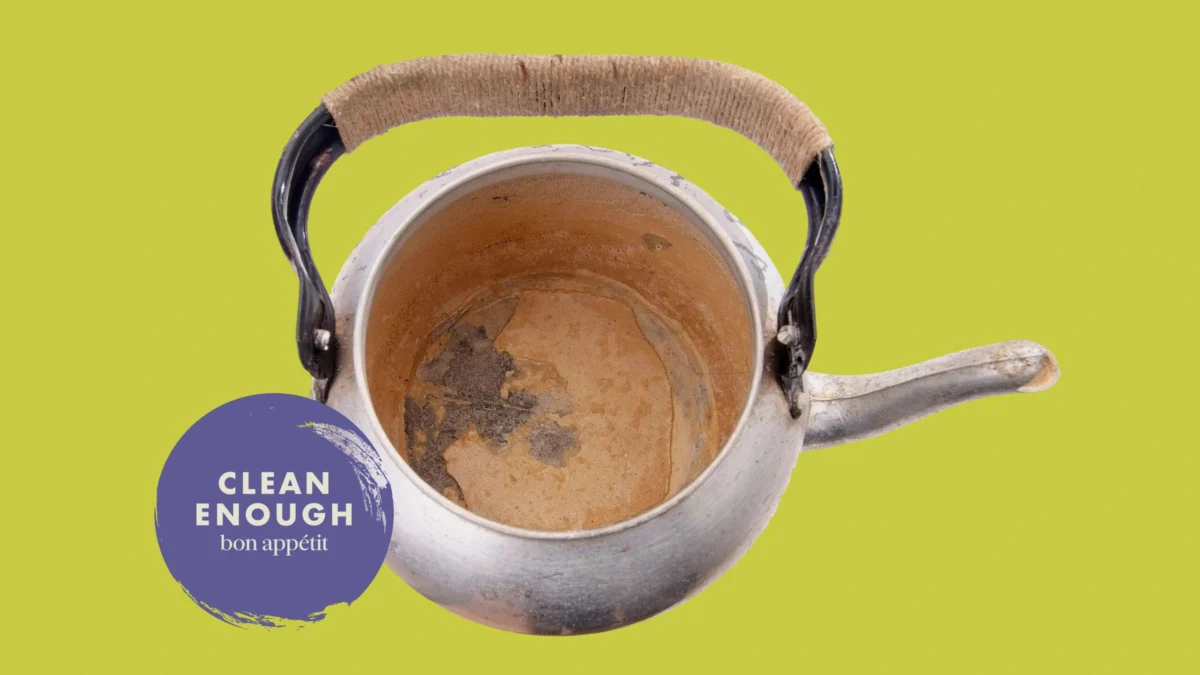
The accumulation of mineral deposits, primarily calcium carbonate and magnesium, is an inevitable consequence of utilizing municipal or well-water systems within the domestic kitchen environment. Known colloquially as "hard water," this mineral-heavy supply leaves behind chalky, persistent residues that not only compromise the aesthetic appeal of stainless steel fixtures but also impair the mechanical efficiency of essential household appliances. While manufacturers often market expensive, branded descaling solutions to combat this issue, chemical analysis suggests that these commercial products are often unnecessary, as the core mechanism of descaling relies on simple, readily available acidic reactions.
The Chemical Mechanism of Mineral Accumulation
When water with a high concentration of dissolved minerals—specifically calcium and magnesium ions—is heated or left to evaporate, it undergoes a phase change that leaves behind solid deposits. This process, known as precipitation, results in the formation of limescale. In appliances like espresso machines, tea kettles, and combi-ovens, these deposits act as insulators, forcing heating elements to consume more energy to achieve the same temperature. Furthermore, over time, this buildup can obstruct narrow tubing and pump mechanisms, leading to catastrophic failure of internal components.
From a chemical perspective, descaling is the application of a mild acid to neutralize these alkaline deposits. The acid reacts with the mineral crust, converting the insoluble calcium carbonate into soluble salts that can be easily flushed out or wiped away. While commercial descalers often contain proprietary additives, the fundamental reactive agents are typically citric acid, lactic acid, or sulfamic acid.
The Economic and Environmental Case for DIY Solutions
A significant portion of the consumer maintenance market is built upon the perception that specialized equipment requires specialized chemicals. However, data from consumer advocacy groups and chemical safety databases indicate that distilled white vinegar (acetic acid) or anhydrous citric acid powder—often used as a food additive—are equally effective at dissolving common household scale.
The shift toward DIY solutions offers two distinct advantages: cost reduction and a reduction in plastic waste. A standard 32-ounce bottle of branded descaler can cost between $15 and $25, whereas an equivalent supply of food-grade citric acid powder can be purchased in bulk for a fraction of that price. Furthermore, the practice of DIY maintenance reduces the demand for single-use plastic packaging associated with pre-mixed liquid cleaning agents, aligning with broader sustainability initiatives in modern household management.
Establishing a Maintenance Timeline
To ensure the longevity of kitchen hardware, a proactive maintenance schedule is required. The U.S. Geological Survey (USGS) provides comprehensive data on regional water hardness, which serves as a critical baseline for homeowners. In regions classified as having "very hard" water—such as parts of the American Midwest and the Southwest—appliances may require descaling as frequently as once every four to six weeks. In areas with "soft" water, this interval may be extended to every six months.
The chronology of maintenance should be dictated by both time and performance. For example, if an espresso machine begins to produce water at a slower flow rate or exhibits increased noise during the extraction process, it is a primary indicator that mineral obstruction has already reached a threshold where efficiency is compromised. Waiting for a complete mechanical failure often leads to permanent damage to seals and heating elements that cannot be reversed by chemical treatment.

Comparative Analysis: Vinegar vs. Citric Acid
While both vinegar and citric acid are effective, their application varies based on the specific cleaning requirements of the appliance.
- Distilled White Vinegar: This remains the most accessible household acid. However, its pungent odor can linger in sensitive equipment, such as coffee machines, requiring multiple rinse cycles to ensure the flavor profile of future brews is not impacted.
- Citric Acid: Preferred by professional technicians, citric acid is a dry, crystalline powder that is odorless and highly soluble in water. It is generally considered safer for rubber seals and internal gaskets found in high-end appliances, as it is less aggressive than the acetic acid found in vinegar.
For an effective DIY solution, industry standards suggest a ratio of one tablespoon of citric acid powder per 16 ounces of water. This concentration is sufficient to break down most household limescale without posing a risk of corrosion to the internal copper or stainless steel pipes common in modern kitchen appliances.
Broader Implications for Kitchen Maintenance
The impact of regular descaling extends beyond the interior of a machine. The aesthetic degradation of kitchen fixtures—such as the white, crusty film often found around faucet bases, aerators, and refrigerator water dispensers—is a common frustration for homeowners. Using a concentrated citric acid solution as a topical treatment provides a low-toxicity alternative to harsh chemical cleaners.
Techniques such as the "baggie method"—where a solution-filled bag is secured to a faucet spout with a rubber band or twist tie—allow for prolonged contact time. This is essential for tackling stubborn "stalagmite" deposits that have hardened over several months. By allowing the acidic solution to sit for several hours, the mineral bonds are gradually weakened, allowing for removal without the need for abrasive scrubbing, which can scratch delicate chrome or brushed-nickel finishes.
Professional Perspectives on Equipment Longevity
Appliance manufacturers generally include descaling instructions in their user manuals to mitigate liability and ensure product performance. However, there is a lack of standardization in these instructions, which often direct users to purchase proprietary chemicals. Independent repair technicians frequently note that while following the manufacturer’s specific sequence of flushing and rinsing is vital, the specific chemical agent used is less critical than the consistency of the maintenance schedule itself.
"The biggest mistake consumers make is not the choice of descaler, but the frequency of application," says an industry consultant specializing in small kitchen appliances. "Water hardness varies significantly from one zip code to the next. A one-size-fits-all approach to maintenance ignores the reality of the local water supply. Homeowners who proactively test their water hardness with simple test strips found at local hardware stores are better equipped to determine their own maintenance frequency, regardless of the brand of cleaner they use."
Conclusion
The practice of regular descaling is a cornerstone of responsible home management, ensuring the longevity of expensive kitchen infrastructure and improving the quality of the water processed through these systems. By utilizing cost-effective, readily available ingredients like citric acid, consumers can maintain their appliances to professional standards without the need for expensive, specialized commercial products. As water quality continues to be a primary concern in many regions, the ability to perform basic, effective maintenance at home remains an essential skill for the modern household. Through consistent monitoring and the application of simple chemical principles, homeowners can effectively mitigate the impact of hard water, protecting their investments and ensuring their kitchen remains fully operational.