
 Johny Marice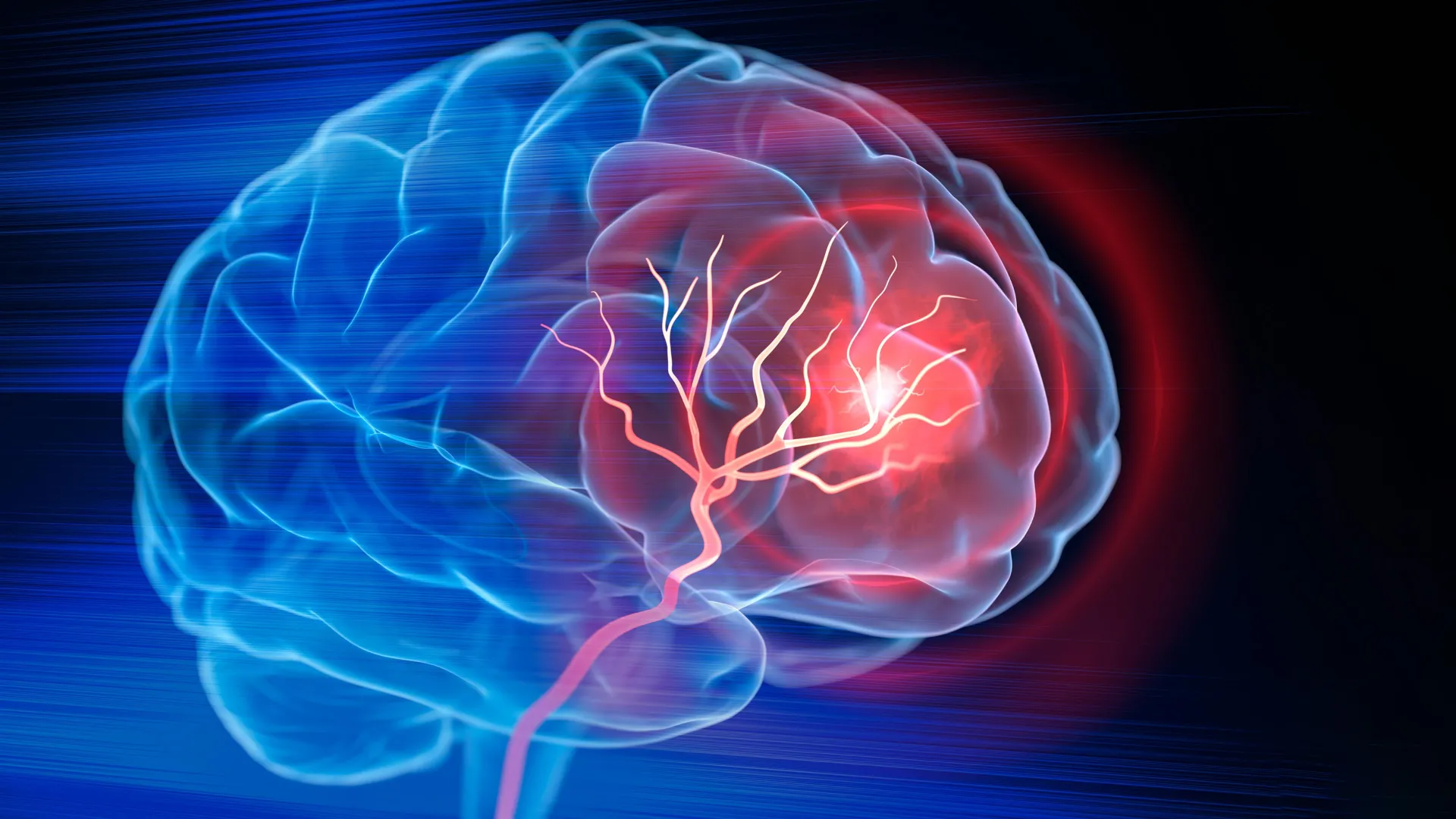
The Genetic Culprit: APOE4 and Brain Health
Alzheimer’s disease, a progressive neurodegenerative disorder, currently affects more than 7 million Americans. The APOE4 variant of the apolipoprotein E gene has long been identified as the most significant genetic risk factor for the late-onset form of the disease. While individuals inherit two copies of the APOE gene—one from each parent—those who carry the APOE4 allele face a significantly higher lifetime risk of developing Alzheimer’s.
For decades, the medical community has observed that the vascular architecture of the brain deteriorates as Alzheimer’s advances. Historically, this vascular damage was categorized as a symptomatic "bystander" effect—a secondary result of the brain’s decline. However, the new findings from the Icahn School of Medicine at Mount Sinai suggest a more sinister reality: the damage is not merely a consequence, but a primary, biologically active driver of the disease that is facilitated by APOE4.
Mapping the Vascular Decline: The Cell Study
In a study published September 24 in the journal Cell, the research team, led by Dr. Joel W. Blanchard, constructed a high-resolution, single-cell transcriptomic atlas of the human brain’s vascular system. By integrating massive datasets, the researchers were able to visualize gene activity across various cell types that maintain blood-brain integrity.
The investigation revealed that APOE4 fundamentally alters the behavior of pericytes. Under healthy conditions, these mural cells wrap around small blood vessels to provide structural support and maintain the blood-brain barrier. In the presence of the APOE4 variant, these pericytes undergo a pathological transformation, morphing into myofibroblast-like cells.
This transformation triggers a process known as vascular fibrosis, which leads to the formation of scar tissue. As the vessel walls harden and become less functional, the brain experiences impaired blood flow and a significant increase in the accumulation of amyloid-beta—the hallmark protein associated with Alzheimer’s. Crucially, the study demonstrated that this process is reversible. By inhibiting TGF-β signaling—a pathway involved in cell communication and tissue remodeling—researchers were able to restore pericyte function and clear the pathological deposits in aged mouse models, providing a concrete roadmap for future human clinical trials.
miBrains: A New Frontier in Neurobiological Modeling
The cornerstone of these discoveries is the development of "miBrains," a three-dimensional, lab-grown human brain tissue model derived from induced pluripotent stem cells (iPSCs). This technology represents a significant leap forward in translational medicine. Unlike traditional animal models, which often fail to replicate the nuances of human pathology, miBrains include the full complexity of the human brain’s cellular landscape, including neurons, astrocytes, myelin-producing cells, and vascular cells.
This platform allows researchers to observe the initiation of disease processes long before they manifest as the severe, irreversible tissue degradation typically observed in postmortem analysis. The ability to cryopreserve these tissues allows for longitudinal studies and the testing of personalized therapeutic responses. As the team continues to refine this platform, they are moving toward "patient-specific" models, which could eventually allow doctors to predict how an individual’s unique genetic makeup might influence their response to specific pharmacological interventions.
Dissecting Protein Cleanup: The Cell Stem Cell Findings
A second study, published in Cell Stem Cell, expanded the inquiry into how APOE4 disrupts the brain’s waste-disposal mechanisms. Abnormal protein buildup is a defining characteristic of neurodegenerative diseases, including Parkinson’s disease and Lewy body dementia. The research team focused specifically on alpha-synuclein, a protein that, when misfolded, forms toxic deposits in the brain.
The investigation identified a critical failure in astrocytes—the star-shaped cells that perform essential maintenance and metabolic support. The researchers found that APOE4 causes a dangerous accumulation of cholesterol within these cells. This buildup of lipids clogs the lysosomes, which serve as the cell’s "recycling centers." When the lysosomal system is impaired, the astrocytes lose their ability to effectively break down alpha-synuclein. Instead of being cleared, the protein accumulates, eventually spreading to neighboring neurons and triggering widespread neurodegeneration.
This mechanism provides a compelling link between lipid metabolism and protein-based diseases, suggesting that therapies designed to stabilize cholesterol transport or enhance lysosomal efficiency could serve as powerful tools for treating both Alzheimer’s and Parkinson’s.
Broader Implications and Future Clinical Directions
The implications of these findings are profound for the field of neurology. By identifying the specific cellular pathways—TGF-β signaling in pericytes and lysosomal dysfunction in astrocytes—the Mount Sinai team has effectively expanded the list of "druggable" targets for neurodegenerative conditions.
From an industry perspective, these findings provide a necessary level of clarity for pharmaceutical companies. The "vascular hypothesis" of Alzheimer’s has gained significant momentum, and the ability to validate these findings in human-derived miBrains reduces the reliance on potentially misleading animal models.
"Damage to the brain’s blood vessels is not simply a late consequence of Alzheimer’s disease; it is a biologically active process," noted Dr. Blanchard. His sentiment is echoed by the broader scientific community, which has increasingly looked for ways to treat the disease before the onset of permanent neuronal death. By focusing on the vascular system and cellular waste removal, clinicians may soon be able to intervene in a "pre-symptomatic" phase, preserving cognitive function by maintaining the health of the brain’s infrastructure.
A Path Toward Personalized Medicine
The ability to generate and store patient-specific miBrains is perhaps the most transformative aspect of this work. Because neurodegenerative diseases often present with significant heterogeneity—meaning no two patients experience the same progression of symptoms—the move toward personalized models could revolutionize clinical trials.
Rather than testing a single drug on a broad, diverse population, researchers could use the miBrain platform to screen how an individual patient’s cells react to a compound. This "precision neurology" approach would not only increase the likelihood of finding effective treatments but would also significantly reduce the time and cost associated with drug development.
Funding and Collaborative Effort
The scope of this research underscores the necessity of interdisciplinary collaboration. Both studies received support from a robust network of public and private funding, including the National Institutes of Health (NIH), the National Aeronautics and Space Administration (NASA)—which has an interest in the effects of radiation and stress on human tissue—and specialized organizations such as the CureAlz Fund and the Michael J. Fox Foundation for Parkinson’s Research.
The convergence of stem cell technology, genomic mapping, and metabolic study marks a departure from the "one-size-fits-all" approach to Alzheimer’s research. As the scientific community digests these findings, the focus will likely shift toward the development of inhibitors that can safely cross the blood-brain barrier to modulate the pathways identified by the Mount Sinai team. While a cure for Alzheimer’s remains the ultimate, elusive goal, the identification of reversible, biologically active processes provides the most concrete evidence in years that the decline of the aging brain may be manageable, and perhaps even preventable.









