
 Danny Garick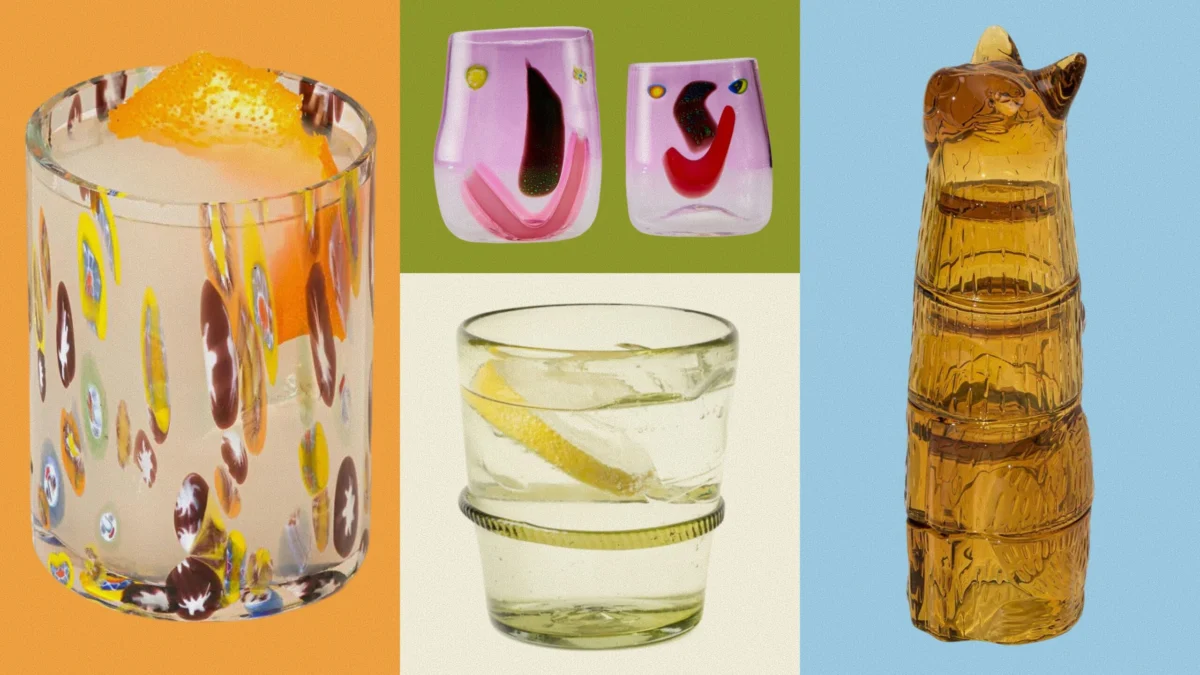
In the modern retail landscape, few items exemplify the intersection of social media trends and consumer habits as clearly as the Anthropologie Icon juice glass. What began as a niche, decorative vessel for home bar enthusiasts and aesthetic-conscious social media users has evolved into a ubiquitous household staple. This transformation from a unique, artisanal-inspired accent to a mass-market commodity reflects broader shifts in home decor consumption, driven largely by influencer marketing and the rapid proliferation of affordable replicas. The recent appearance of similar seasonal glassware in big-box retailers—far removed from the curated shelves of high-end boutiques—signals a definitive inflection point: the market for these particular items has reached a state of saturation that is challenging the original appeal of the product.
The Evolution of the Icon Glass Trend
The rise of the Icon juice glass can be traced back to the burgeoning home-lifestyle content movement on platforms like Instagram and TikTok. Early adopters of the glassware sought to "zhuzh" up mundane daily routines—specifically the preparation of morning matcha lattes and evening mocktails—by using vessels that offered a touch of whimsy and personality. The product’s design, characterized by intricate, seasonal prints and a standardized, cylindrical silhouette, made it highly photogenic. As influencers began featuring these glasses in "morning routine" videos, the items gained significant traction.
By 2021 and 2022, the glasses had moved from lifestyle blogs to the center of a viral trend. For the average consumer, the glasses represented an accessible "luxury" item—a relatively low-cost entry point into a brand aesthetic often associated with high-end bohemian home decor. However, as demand surged, so did the production of near-identical replicas. Big-box retailers, observant of the product’s performance on social media, began introducing their own versions at price points significantly lower than the original $16-per-glass MSRP.
Chronology of Market Proliferation
The trajectory of the Icon glass follows a classic cycle of product maturation in the age of viral commerce.
- Inception and Niche Adoption (2019-2020): Anthropologie launches the initial line of motif-based glassware. It is positioned as a giftable, seasonal accessory for the home.
- Social Media Peak (2021-2023): The glasses become a staple of "Aesthetic Home" content. Hashtags related to kitchen organization and home decor frequently feature the cups.
- Mass Market Saturation (2023-Present): The design aesthetic is adopted by major retailers, including mass-market chains like Target and budget-friendly online marketplaces. Seasonal variations (Halloween, Christmas, Spring florals) are churned out at an accelerating pace.
- Consumer Fatigue: As the product becomes available at every price point and in every grocery aisle, the "cool factor" diminishes. The ubiquity of the design leads to a loss of the very uniqueness that initially drove its popularity.
Safety Concerns and Material Integrity
The rapid proliferation of the Icon glass has not been without controversy. Beyond the aesthetic dilution of the product, there has been a documented rise in reports regarding the safety and durability of these vessels. A series of viral videos on TikTok began circulating in late 2022 and 2023, highlighting instances of "thermal shock." Consumers reported that the glasses, when exposed to rapid temperature changes—such as adding hot liquid to a room-temperature glass or placing a chilled glass in a dishwasher—would spontaneously shatter or explode.
While these incidents are not exclusive to one brand, the sheer volume of low-cost, mass-produced versions flooding the market has exacerbated the issue. Industry experts note that thinner, soda-lime glass, which is frequently used in mass-produced, low-cost glassware to keep production prices down, is significantly more susceptible to thermal stress than high-quality borosilicate or tempered glass. This reality has led to a growing consumer awareness regarding the trade-offs between cheap, trend-driven kitchenware and functional, durable investments.
Market Implications: The "Stanley Effect"
The Icon glass is often compared to other viral household phenomena, such as the Stanley Quencher tumbler or the resurgence of MacKenzie-Childs teapots. These items share a common thread: they are highly visible status symbols that serve a utilitarian purpose. However, the "Icon" category faces a specific challenge that the premium insulated bottle market does not: the barrier to entry for a glass tumbler is effectively zero.
Retail analysts suggest that when a design becomes this easily replicated, it ceases to be a "trend" and becomes a "commodity." The economic implication is twofold. First, retailers who pivot toward these items find themselves in a race to the bottom, where margins are razor-thin and the value proposition is based entirely on volume. Second, the original brand—in this case, Anthropologie—risks brand dilution. When a signature aesthetic is mimicked across every discount aisle in the country, the brand’s ability to command a premium price for "unique" designs is weakened.
The Search for Alternatives: A Shift in Consumer Values
As the market for "kitschy" glasses reaches its limit, there has been a measurable shift in consumer behavior toward higher-quality, more distinctive, and more durable drinkware. Consumers are increasingly seeking out items that offer a narrative—pieces made by independent artisans, or those that feature unique, structural shapes rather than simple, printed motifs.
The shift away from mass-produced seasonal prints reflects a broader desire for longevity in the home. Retailers and designers are beginning to notice a trend toward "structural" glass—pieces that use texture (ribbing, waves, or tactile bumps) rather than superficial prints to create interest. This shift serves as a defense against the "throwaway" culture associated with fast-fashion home goods.
The Path Forward for Home Decor
The "Icon" glass phenomenon serves as a case study for the lifecycle of modern viral products. It highlights the speed at which a trend can rise to prominence, the inevitable path to over-saturation, and the eventual consumer pivot toward more sustainable and authentic choices.
For the retail sector, the takeaway is clear: consumers are becoming increasingly sophisticated. While the allure of an $8 seasonal glass remains strong for impulse buyers, a significant segment of the market is signaling a preference for durability and originality. The era of the "viral, printed glass" may be waning, replaced by a demand for functional art that does not require a warning label regarding thermal shock.
As we move toward a new season of home styling, the focus appears to be shifting from "collecting everything" to "curating the essentials." The market is correcting itself, moving away from the mass-produced, repetitive designs that once dominated social media feeds and toward pieces that offer genuine character. For the consumer, this presents a prime opportunity to invest in glassware that is not only aesthetically pleasing but also built to withstand the realities of daily use. Whether through the work of independent glassmakers or high-quality heritage brands, the future of home decor lies in the balance between beauty and utility—a balance that the current wave of mass-market, "iconic" drinkware has struggled to maintain.









