
 Ferry Irwandi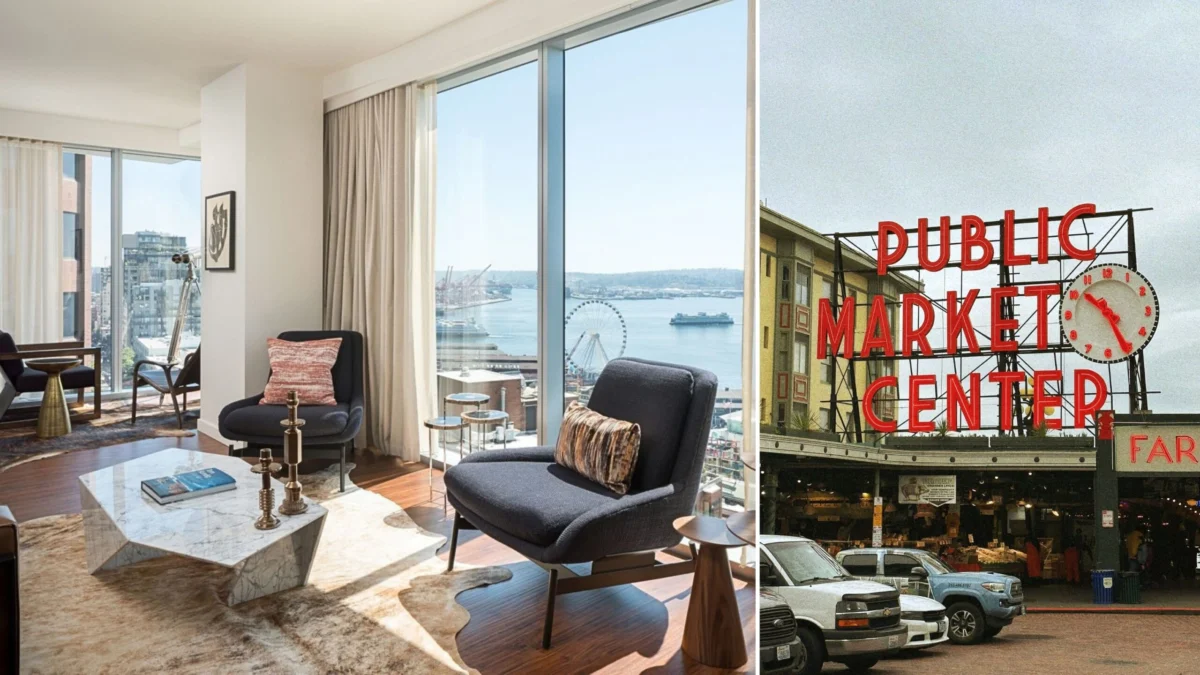
As a lifelong resident and local travel writer deeply embedded in the cultural fabric of the Pacific Northwest, I frequently advise travelers to bypass the ubiquitous Space Needle in favor of a far more authentic civic anchor: Pike Place Market. Far from being a mere tourist trap, this historic waterfront landmark serves as the beating heart of Seattle—a bustling, multi-level bazaar that locals utilize, frequent, and fiercely protect on a daily basis. For visitors looking to immerse themselves in the city’s culinary, artistic, and maritime heritage, establishing a home base near the market offers unparalleled convenience. Situated squarely in the center of downtown, the neighborhood places guests within easy walking distance of the Seattle Art Museum, the central ferry terminals, cruise ship ports, and the Link Light Rail system connecting directly to Seattle-Tacoma International Airport.
The Evolution and Architecture of Pike Place Market
Established in August 1907, Pike Place Market holds the distinction of being one of the oldest continuously operated public farmers’ markets in the United States. Its inception was born out of economic necessity and consumer outrage: soaring onion prices driven by a cartel of commission merchants prompted city officials and citizen activists to organize a public space where local farmers could sell their produce directly to the public. On opening day, wagonloads of produce arrived, and farmers sold their entire stocks within hours, setting a precedent for community-centric commerce that endures more than a century later.
Over the decades, the market expanded from a simple open-air trestle into a nine-acre historic district encompassing steep stairwells, brick-paved alleyways, and multi-level arcades clinging to the bluffs overlooking Elliott Bay. In 1971, Seattle voters successfully passed a ballot initiative to create the Pike Place Market Historical District, saving the nine-acre area from urban renewal demolition. Today, the district is managed by the Pike Place Market Preservation and Development Authority (PDA), a public corporation ensuring that spaces remain affordable for low-income housing, social services, and small, independent farmers and craftspeople.
Immersing Yourself in the 24-Hour Rhythm of the Market
Residing within a stone’s throw of Pike Place Market allows travelers to experience the distinct temporal shifts of the district. Early risers can witness the quiet, methodical choreography of morning setup, watching produce vendors arrange vibrant displays of Washington apples, cherries, and wild mushrooms. Grabbing a savory curry beef hum bow from Mee Sum Pastry provides an ideal morning fuel before exploring the broader neighborhood.
As the morning progresses, the market swells with energy. Specialty shops open their doors, offering everything from freshly caught wild sockeye salmon at specialized fishmongers to artisanal Italian provisions at Pasta Casalinga. For those seeking dessert, spots like Hellenika offer rich, Mediterranean-inspired frozen treats that rival traditional ice cream.
As evening approaches, the crowds thin out, revealing a more atmospheric side of downtown. A classic Seattle evening might involve a stroll along the newly revitalized Elliott Bay waterfront—a multi-million-dollar urban renewal project reconnecting the city to its maritime roots—followed by a bespoke cocktail at Zig Zag Cafe, a legendary subterranean establishment tucked away on the Pike Street Hillclimb that helped define the modern Pacific Northwest cocktail renaissance.
Curated Accommodations: Hotels in and Around the Market
Choosing the right accommodation elevates a visit from a standard vacation to an immersive local experience. Travelers have an array of options ranging from boutique boltholes embedded directly within the historic district to five-star luxury towers located just blocks away.
Properties Inside and Directly Across the Street
For travelers who want the sensory experience of the market practically on their doorstep, a select few hotels offer unmatched proximity:
- Inn at the Market: Universally praised for its intimate boutique scale, this property is situated right within the market boundaries. It offers guests quiet, residential-style rooms—some featuring sweeping views of Elliott Bay and the Olympic Mountains—placing them mere steps from the famous fish-throwing stalls and flower vendors.
- Thompson Seattle: Located just across the street from the market on 1st Avenue, this sleek, contemporary hotel blends mid-century modern design with Pacific Northwest natural elements. Its crowning jewel is The Nest, a rooftop lounge offering panoramic views of the waterfront and Puget Sound, making it a popular gathering spot for both travelers and locals.
- Palihotel Seattle: Housed in a historic 1890s building that once served as a classic hardware and grain supply warehouse, Palihotel embraces a distinctly quirky, vintage aesthetic. Its interior design leans heavily into prep-school chic and Pacific Northwest lodge motifs, offering a hip, artistic atmosphere just half a block from the main market arch.
Luxury and Full-Service Options Within a Ten-Minute Walk
For guests seeking comprehensive spa services, fine-dining establishments, and high-end concierge amenities, several premier luxury properties are situated within a short, walkable radius:
- Fairmont Olympic Hotel: Located roughly a ten-minute walk from the market, this grand dame of Seattle hospitality occupies a historic, Italian Renaissance-style building originally opened in 1924. Following extensive multi-million-dollar renovations, the hotel successfully marries century-old architectural grandeur with modern luxury amenities, including the acclaimed Georgian restaurant.
- Four Seasons Hotel Seattle: Situated immediately adjacent to the downtown commercial core and a short walk down to the waterfront, the Four Seasons provides uncompromising five-star service. It features the city’s only downtown hotel outdoor infinity pool, overlooking the Seattle Great Wheel and Elliott Bay, alongside upscale dining focusing on local Pacific Northwest ingredients.
Navigating Downtown Seattle and Public Transit
Downtown Seattle is geographically compact, meaning that virtually all accommodations situated in or near the commercial core place visitors within a 15-minute radius of major cultural institutions, retail centers, and transit hubs.
The integration of the Link Light Rail system has significantly simplified regional transit. Travelers can board a train at Seattle-Tacoma International Airport and arrive at Westlake Station—located just three blocks from Pike Place Market—in approximately 45 minutes for a nominal fare. This efficiency minimizes reliance on rental cars or rideshare services, which can face congestion and high parking tariffs within the downtown core.
Furthermore, Seattle’s commitment to pedestrian and cyclist infrastructure, including the ongoing development of the waterfront promenade and protected bike lanes, encourages active exploration of the city’s diverse topography.
Frequently Asked Questions
What are the best hotels near Pike Place Market?
The top accommodations range from boutique properties located directly inside the market—such as the Inn at the Market—to design-forward hotels situated directly across the street, including the Thompson Seattle and Palihotel. Additionally, major luxury flagships like the Fairmont Olympic and the Four Seasons Hotel Seattle are situated within a ten-minute walk of the historic district.
How far is downtown Seattle from Pike Place Market?
Pike Place Market is not separate from downtown; it is located squarely within the downtown core. Consequently, staying near the market means guests are already in the center of the city’s primary commercial, cultural, and dining district.
Where should I avoid staying in Seattle?
Seattle features very few lodging options outside of the primary downtown core and established residential neighborhoods, meaning visitors rarely encounter areas unsuitable for tourists. However, travelers relying exclusively on public transit will find the most convenience by booking accommodations within downtown or neighborhoods directly connected by the Link Light Rail or major bus rapid transit lines.
Methodology for Hotel Selection
Selections featured in regional travel roundups are compiled through firsthand journalistic evaluation by destination experts and editors. Properties are assessed across various price points with a focus on authenticity, architectural preservation, interior design, service standards, and environmental sustainability credentials, ensuring travelers receive reliable, insider recommendations tailored to the unique character of the Pacific Northwest.








