
 Jono Maryono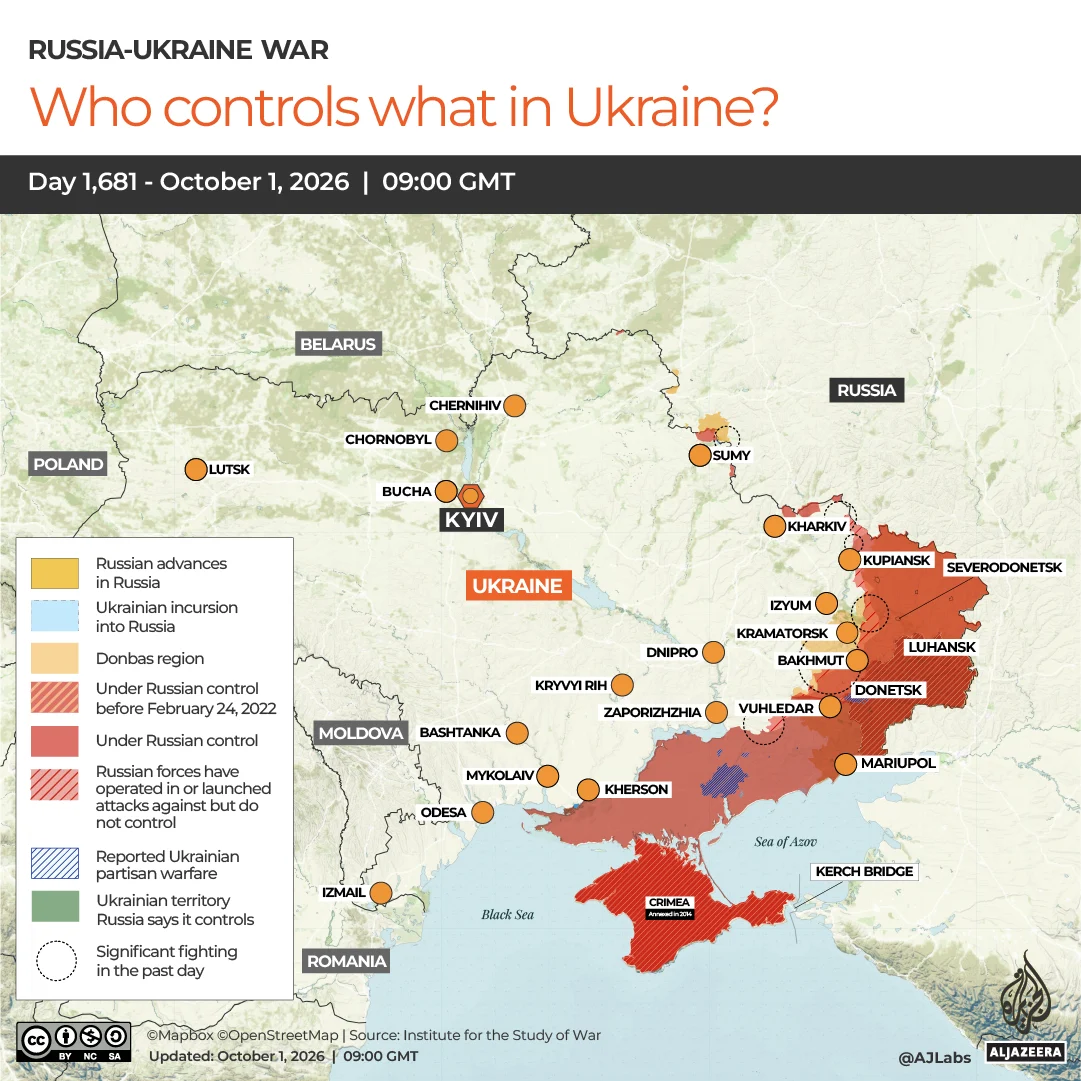
KYIV, UKRAINE — On what should have marked her 41st wedding anniversary, Vera Gulyaeva sat in safety far from her lifelong home, reflecting on a love story abruptly fractured by modern warfare. For Gulyaeva, a 64-year-old retired schoolteacher, the milestone anniversary served as a painful reminder of her husband, Serhiy Gulyaev, a 63-year-old retired driver who was fatally wounded when a Russian drone strike targeted a civilian bread line in the southern Ukrainian town of Oleshky earlier this year.
The tragic death of her husband represents just one narrative among thousands emerging from Oleshky, a besieged municipality in the Kherson region. Having languished under Russian occupation for more than four years, the town has become a stark symbol of the grueling human toll exacted by the ongoing conflict. With its remaining population of approximately 2,000 residents cut off from basic infrastructure for over two and a half years, Oleshky exemplifies the devastating convergence of total isolation, acute starvation, and relentless military hazard.
Chronology of Occupation and Isolation
The modern plight of Oleshky is deeply rooted in the rapid territorial shifts that characterized the early months of Russia’s full-scale invasion of Ukraine in 2022. Situated approximately 10 kilometers (6 miles) west of the regional capital of Kherson, the town’s strategic geography drastically altered its fate as the war progressed.

In November 2022, retreating Russian military forces systematically destroyed the 1,400-meter (1,530-yard) Antonivka Road Bridge spanning the Dnipro River—one of Europe’s largest waterways—effectively severing Oleshky’s primary overland connection to Ukrainian-held territory and neighboring municipal hubs. This tactical demolition initiated an era of profound isolation for the local populace.
For more than 30 months, the approximately 2,000 holdouts remaining in the town have subsisted without municipal electricity, running water, natural gas, or functioning healthcare infrastructure. To cope, residents initially relied on personal resourcefulness, utilizing private water wells, vegetable patches, backyard livestock, and fuel-powered generators driven by overpriced gas procured through informal middlemen.
However, as years of occupation eroded personal savings and stashed supplies, the community plunged into a severe humanitarian emergency. The situation worsened dramatically in March when Serhiy Gulyaev was struck while waiting in a rare queue for bread. His subsequent death underscored the lethal risks associated with daily survival tasks, forcing surviving family members, including Vera Gulyaeva, to make the harrowing decision to flee the occupied zone, leaving behind their homes, personal archives, and lifelong communities.
The Anatomy of a Man-Made Famine
The food security situation in Oleshky has deteriorated from scarcity to systemic starvation. According to municipal authorities and displaced residents in constant communication with those remaining behind, the town’s civilian population has been reduced to eating as infrequently as once a day.

Tetiana Khasanenko, the displaced mayor of Oleshky who continues to monitor conditions from Kyiv-controlled territory, painted a grim picture of daily life in the occupied enclave. "There’s no flour, no meat, no oil, no sugar, no salt," Khasanenko stated. "There’s nothing."
With commercial food supply chains entirely dismantled and no functioning civilian administration to manage distribution, residents have been forced to adopt extreme survival mechanisms. Survivors frequently rely on long-expired foodstuffs, small garden yields, or common purslane—a watery, wild weed offering negligible nutritional value that is often consumed raw. Those attempting to source provisions from the nearest functioning grocery store in the neighboring village of Radensk, located 12.4 miles (20km) away, face a perilous journey fraught with landmines and aerial drone surveillance.
Human rights monitors and local officials note that movement outside the home has become a lethal gamble. On a single Thursday, local reports documented four civilian casualties along the route to Radensk: two individuals were killed, while two others sustained severe injuries and had to be evacuated by neighbors using improvised transport such as wheelbarrows and bicycles.
Furthermore, the physical environment itself has turned hostile. Human rights reports indicate that unrecovered bodies left in the open following targeted strikes are frequently consumed by packs of feral dogs. Concurrently, armed soldiers occupying vacant properties routinely commandeer resources, introducing an atmosphere of coercion and lawlessness.

Official Responses and Geopolitical Implications
The humanitarian catastrophe in Oleshky has ignited sharp diplomatic exchanges between Kyiv, Moscow, and Western capitals, each offering sharply contrasting narratives regarding the causes of civilian suffering.
Ukrainian officials have consistently accused Moscow of weaponizing civilian populations, treating remaining residents as human shields while systematically obstructing humanitarian relief efforts. Dmytro Lubinets, Ukraine’s human rights ombudsman, condemned the conditions imposed by occupying forces, writing on social media that the daily choice presented to civilians is stark: "Stay and starve to death, leave and risk getting blown on a landmine."
International observers have similarly seized upon the humanitarian crisis to underscore the stakes of broader geopolitical negotiations. Highlighting the plight of Oleshky’s residents, European Union High Representative for Foreign Affairs and Security Policy Kaja Kallas argued that territorial concessions are fundamentally untenable. "When someone says: ‘Why don’t they just give up these territories?’ it sounds so simple. Right?" Kallas remarked. "Pero in reality, this is about the people who will suffer on those territories."
Conversely, Moscow has categorically rejected responsibility for the crisis, placing the blame squarely on Ukrainian military operations. Kremlin Spokesman Dmitry Peskov asserted that the humanitarian emergency is a direct result of defensive actions and sabotage by Kyiv. "There are, indeed, problems with delivering food and medical drugs [because] the Kyiv regime literally does everything to thwart these deliveries," Peskov claimed, alleging that aerial drones continuously patrol the airspace to target logistics.

Pro-Russian administrators and local commentators within the occupied zones have echoed these claims, asserting that civilians who wished to evacuate have already done so and that remaining residents are free to leave, though acknowledging that many elderly individuals remain trapped or fearful of repercussions due to family ties across the front lines.
Broader Impact and the Human Cost of Displacement
For those who have managed to escape, the psychological scars of Oleshky run deep. Vera Gulyaeva now resides in western Ukraine alongside her daughter-in-law and two grandchildren, while her son serves in the Armed Forces of Ukraine. Despite physical safety, the transition has brought profound grief and survivor’s guilt.
Gulyaeva’s story reflects a broader demographic trauma affecting millions of displaced Ukrainians. Having dedicated four decades of her life to teaching in the same elementary school she once attended as a child, she struggles to comprehend the motivations behind the destruction of her community. "You don’t get any joy from life knowing that something like that is happening in our country," she reflected. "This is a huge tragedy."
As diplomatic channels remain deadlocked and military operations persist along the southern front, the immediate outlook for the remaining residents of Oleshky remains bleak. Humanitarian agencies and local officials face immense logistical barriers in attempting to deliver aid, relying heavily on experimental methods such as drone-dropped food packages. However, even these high-tech relief efforts are constrained by the constant threat of penalization from occupying forces, leaving the dwindling population caught in a precarious equilibrium between starvation and lethal exposure.









