
 Ana Megawati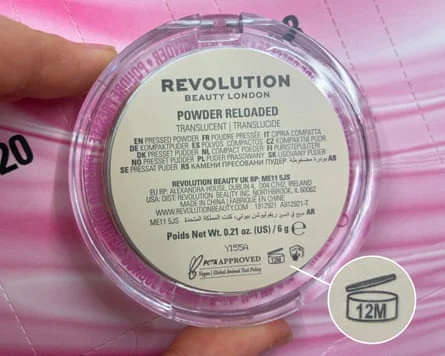
The global beauty and cosmetics industry generates billions of units of packaging annually, a significant portion of which ultimately contributes to municipal solid waste. Concurrently, individual consumers frequently struggle with product obsolescence, holding onto expired cosmetics such as vintage eyeshadow palettes and liquid lipsticks long past their recommended utility windows. Driven by a combination of consumer fatigue, strict environmental sustainability goals, and skin health considerations, beauty industry professionals, academic researchers, and aesthetic experts are increasingly emphasizing the importance of product longevity. Maximizing the lifespan of cosmetics not only mitigates environmental degradation caused by premature disposal and landfill accumulation but also prevents potential dermatological complications stemming from degraded formulas and bacterial contamination. To address these challenges, dermatological and cosmetic science experts have outlined standardized protocols for tracking product lifespans, optimizing storage conditions, mitigating microbial growth, and practicing intentional purchasing.
Understanding Cosmetic Lifespans and the Period After Opening (PAO)
The foundation of effective cosmetic management begins with understanding how long products remain stable and safe for application after unsealing. Unlike non-perishable consumer goods, cosmetics undergo chemical breakdown, oxidation, and microbial proliferation over time. According to Dr. Leyte Winfield, a chemist and director of Spelman College’s Cosmetic Science Program, manufacturers indicate product shelf life through the Period After Opening (PAO) symbol. This regulatory indicator typically appears on secondary packaging or directly on the product container as a small icon resembling an open jar accompanied by a numeric value and the letter ‘M’, denoting the number of months the formulation remains viable after initial exposure to air.
Despite the visibility of these indicators, consumers frequently fail to track when products are unsealed. Kim Chang, an aesthetician at Baylor University, notes that the lack of tracking mechanisms contributes heavily to premature disposal or, conversely, the prolonged use of expired formulas. Chang recommends a straightforward intervention: maintaining a permanent marker or waterproof pen within makeup storage drawers to manually record the opening date directly onto the product packaging. This operational habit eliminates guesswork, allowing users to accurately assess whether a foundation, mascara, or lip gloss has exceeded its functional threshold.
Environmental Factors and Optimal Storage Conditions
Environmental stressors—specifically fluctuations in temperature, humidity, and light exposure—significantly accelerate the degradation of active ingredients and emulsions within cosmetics. A common practice among consumers is storing daily-use items in the bathroom, where humidity levels from showers and fluctuating ambient temperatures create an ideal breeding ground for bacteria, molds, and fungi.
Dr. Winfield advises relocating skincare and makeup collections outside of the high-moisture bathroom environment to stabilize product formulas. While luxury appliances such as dedicated skincare fridges have gained popularity across consumer markets, they are not universally required to preserve standard cosmetics. Simple organizational alternatives, such as decorative and functional storage baskets placed in cool, dry bedrooms or dressing areas, provide adequate protection against heat and humidity. Certain specialized formulations containing active botanical extracts, organic preservatives, or unstable antioxidants may benefit from refrigeration, but standard cosmetics generally require only stable room-temperature environments shielded from direct sunlight to prevent separation and rancidity.
Mitigating Microbial Contamination and Application Hygiene
Beyond environmental factors, the physical interaction between the user and the product introduces significant biological contaminants. Dipping unwashed fingers directly into open-jar moisturizers, creams, or liquid lip products transfers skin flora, sebum, and environmental debris into the formulation. This microbial introduction degrades the efficacy of chemical preservatives within the product, drastically shortening its usable lifespan and increasing the risk of adverse dermatological reactions, including contact dermatitis, folliculitis, and ocular infections.

To counteract contamination risks, cosmetic scientists recommend re-evaluating product packaging designs. Consumers are encouraged to select airless pump dispensers, dropper bottles, or squeeze tubes that minimize direct hand-to-product contact. Furthermore, routine maintenance of application tools is critical. Industry standards mandate the regular, thorough cleaning of makeup brushes, sponges, and spatulas using antibacterial cleansers or specialized brush shampoos to prevent the cumulative buildup of pathogenic microorganisms that are subsequently reintroduced to the face and the cosmetic container.
Consumer Behavior and Intentional Purchasing Frameworks
The rapid commercialization and constant influx of viral beauty trends heavily influence consumer purchasing patterns, frequently resulting in inventory surplus. The modern beauty marketplace relies on continuous product launches across social media platforms, encouraging impulse acquisitions and contributing to the accumulation of redundant items.
Yujiao Wang, a researcher focusing on consumer attitudes toward expired cosmetics, emphasizes the necessity of shifting toward intentional consumerism. Wang suggests evaluating a product’s shelf life and actual utility at the point of purchase rather than yielding to marketing impulses. If a consumer utilizes a specific item only occasionally, acquiring oversized packaging or opening multiple comparable formulations simultaneously creates an unsustainable inventory that cannot be fully consumed within the recommended PAO timeframe. By aligning purchasing volume with realistic consumption rates, individuals can dramatically curtail both financial waste and environmental footprint.
For infrequent makeup requirements—such as weddings, formal galas, or theatrical events—experts recommend utilizing professional beauty services rather than purchasing new, specialized cosmetics that will likely languish unused after a single application. This approach reduces unnecessary consumption while supporting professional service providers.
Broader Implications for Sustainability and Public Health
The convergence of cosmetic chemistry, aesthetic medicine, and environmental science highlights a broader cultural shift toward sustainability within the lifestyle and beauty sectors. As regulatory bodies and consumer advocacy groups place heightened scrutiny on corporate sustainability, individual accountability in product consumption and waste reduction is gaining parallel prominence.
Discarded cosmetics present a complex waste management challenge. Many beauty products contain complex mixtures of plastics, heavy metals, silicones, and synthetic chemical preservatives that do not readily break down in standard municipal waste streams. When expired or half-empty cosmetic containers are discarded into landfills, residual chemical components can leach into surrounding soil and local groundwater systems, posing cumulative environmental risks. By extending the functional lifecycle of existing products through meticulous date tracking, proper storage, hygiene protocols, and restrained purchasing behaviors, consumers can collectively reduce the volume of cosmetic waste entering global landfills.
Ultimately, navigating the balance between personal beauty routines and environmental responsibility requires systemic awareness at both the manufacturing and consumer levels. While brands are increasingly pressured to adopt biodegradable packaging, refillable containers, and transparent labeling, the individual consumer retains ultimate control over product stewardship. Implementing structured organizational habits transforms the management of cosmetics from a passive routine into an active component of sustainable living, protecting both long-term skin health and ecological integrity.









