
 Ana Megawati
The convergence of Britain’s rich railway heritage and its storied pub culture has yielded some of the country’s most unique hospitality venues. Across the United Kingdom, disused stationmasters’ houses, Victorian buffet bars, and Edwardian first-class refreshment rooms are undergoing remarkable second acts. Rather than falling into permanent dereliction or remaining stark, utilitarian waiting areas, these architectural treasures are being meticulously restored and converted into thriving local hubs. This renaissance not only preserves vital pieces of 19th- and early 20th-century transport history but also transforms the often tedious commuter experience into an unexpected culinary and social destination.

The Industrial Legacy and the Victorian Blueprint
The architecture of the British railway station was designed to project imperial power, industrial might, and civic pride. During the Victorian and Edwardian expansion eras, railway companies spared no expense in constructing elaborate terminals featuring high ceilings, ornate masonry, and luxurious amenities for wealthy passengers. As rail travel evolved and nationalized, many of these grand architectural statements became redundant. First-class waiting rooms were padlocked, buffet counters were shuttered, and auxiliary station buildings were abandoned to the elements.
In recent decades, however, a wave of heritage preservationists, independent operators, and regional brewing groups has recognized the untapped potential of these historic spaces. Organizations such as the Campaign for Real Ale (CAMRA) have played a critical role in cataloging and championing these conversions, awarding prestigious national historic interest ratings to interiors that retain authentic period fixtures, from Minton tiles and mahogany bars to barrel-plaster ceilings and terrazzo flooring.
Architectural Marvels and Restorations in Northern England
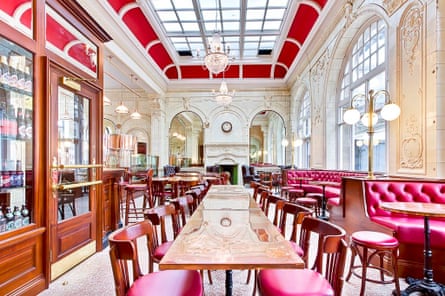
Northern England boasts some of the most celebrated and architecturally significant station pubs in the country. At Sheffield station, the Grade II-listed Sheffield Tap occupies the former Edwardian first-class refreshment room, which originally opened in 1904. Following a comprehensive restoration project that began in 2009 and expanded in 2013, the venue showcases painstakingly repaired mahogany woodwork, decorative tiling, and an on-site microbrewery. Garnering CAMRA’s highest three-star rating for an interior of outstanding national importance, the Sheffield Tap sets a high benchmark for historic preservation paired with modern craft beer curation.
Further north, Newcastle’s Centurion bar inside Newcastle Central Station offers a masterclass in opulent Victorian design. Designed by renowned architect John Dobson and opened in 1893 as a first-class waiting lounge, the room features Burmantofts Pottery tiling valued in the millions. Despite a sobering mid-century stint as British Transport Police prison cells, the space was rescued and restored to its original splendor in 2002. Today, patrons can enjoy a fully operational bar beneath soaring ceilings and an immense tiled skylight, illustrating a fascinating municipal evolution from luxury to penology and back to leisure.
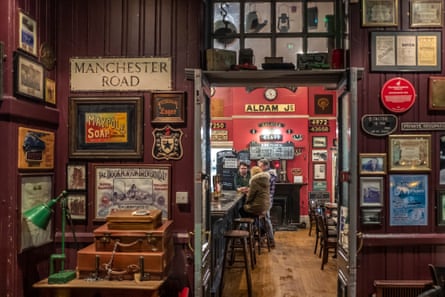
In West Yorkshire, Huddersfield railway station provides travelers with a dual offering, housing two distinct CAMRA-recognized establishments on either side of its neoclassical entrance dating from 1847. The independent King’s Head occupies the former waiting room with mosaic floors and wood-burning stoves, while the Camerons brewery-owned Head of Steam operates out of the historic ticket office. Similarly, the Stalybridge Buffet Bar, situated on platform 4 east of Manchester, preserves an authentic 1885 Victorian interior complete with an original marble bar top and a two-star CAMRA heritage rating, anchoring the famous TransPennine Real Ale Trail.
Evolution of the Micropub and Modern Commuter Culture
While grand urban terminals host sprawling bars, smaller regional and rural stations have found immense success through the micropub model. These compact, intimate venues breathe life into overlooked nooks, transforming former waiting rooms and stationmaster residences into community gathering points.
In East Sussex, the establishment of Steamworks at Seaford station in 2017—housed within a waiting room built in 1864—proved so popular among commuters and locals that the husband-and-wife ownership team expanded to a second location at Glynde station. This trend mirrors developments across the country, where independent operators are revitalizing rural stops. In Staffordshire, the Codsall station bar successfully integrates a waiting room, offices, and a former stationmaster’s house into a cohesive multi-room venue featuring a cozy lounge, a conservatory, and patio areas overlooking the tracks.
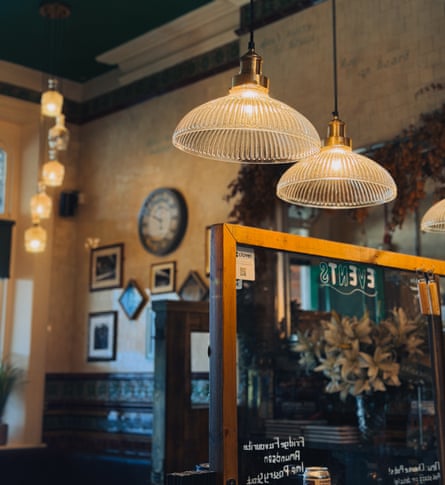
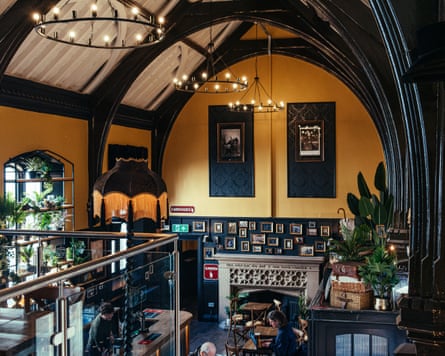
Even major transport hubs outside major metropolises are prioritizing these spaces. At Carlisle station, the February opening of Scott & Brassey within a Grade II-listed former first-class waiting room from 1848 filled a significant void following earlier closures. Featuring hammerbeam roofs, Tudor-style stone fireplaces, and a wall of operational clocks, the venue blends historical preservation with modern hospitality demands.
Economic and Social Implications of Station Pub Conversions
The widespread conversion of railway station buildings into hospitality venues carries notable economic and social benefits for local communities and rail operators alike. For railway companies, leasing disused architectural assets generates non-fare box revenue and reduces ongoing maintenance liabilities for heritage structures. For local economies, these pubs act as vibrant incubators for regional breweries, artisan coffee roasters, and local food producers, frequently sourcing cask ales, gins, and baked goods from within a tight geographic radius.
From a sociological perspective, these spaces redefine the psychology of travel. Commuting and long-distance travel, traditionally sources of stress and fatigue, are reframed when punctuated by the availability of a high-quality local ale, a historic interior, or a community quiz night. Venues equipped with live departures boards and platform-side access ensure that patrons can seamlessly transition from socializing to boarding without the anxiety of missed connections.
As heritage bodies continue to advocate for the protection of Britain’s railway architecture, the symbiotic relationship between rail travel and pub culture appears stronger than ever. Whether weathering temporary closures for essential roof repairs—as seen at Cambridge’s Old Ticket Office—or celebrating grand anniversaries, the British station pub remains an enduring testament to adaptive reuse, ensuring that historical transport architecture continues to serve a meaningful, active role in daily public life.









