
 Ana Megawati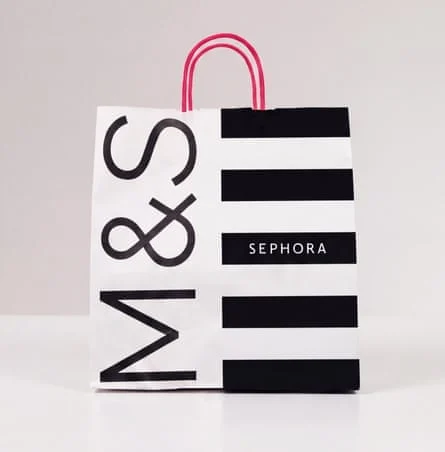
Marks & Spencer has announced a major strategic partnership with French beauty giant Sephora to launch dedicated branded retail spaces across 100 of its UK department stores, alongside a comprehensive online integration set to debut next spring. This high-profile collaboration represents a bold maneuver by the heritage British retailer to capture a younger demographic and revitalize its high street footprint amid a shifting retail landscape characterized by the decline of traditional department stores.
Under the terms of the agreement, the newly created Sephora zones within M&S branches will feature dedicated, expert staff employed directly by the French cosmetics retailer. The physical rollout will be complemented by the inclusion of Sephora’s extensive product catalog on the M&S digital shopping platform. This alliance is designed to merge Sephora’s immense appeal among millennial and generation Z consumers with the robust nationwide reach and trusted household status of Marks & Spencer.
Background and Strategic Rationale
The partnership arrives at a critical juncture for both retail entities. For Marks & Spencer, the deal is a cornerstone of a broader, £700 million corporate transformation plan aimed at modernizing supply chains, upgrading digital infrastructure, and revitalizing store environments. John Lyttle, managing director of M&S’s fashion, home, and beauty division, emphasized that the beauty category holds immense potential to draw new shoppers into stores while increasing purchase frequency among existing loyal customers.
For Sephora, the alliance marks a strategic pivot in its UK expansion trajectory. Owned by LVMH—the luxury goods conglomerate led by Bernard Arnault, whose family fortune is estimated by Forbes at approximately $171 billion (£129 billion)—Sephora has pursued a aggressive growth strategy since its high-profile return to the British market in 2023. Although the brand currently operates approximately 18 standalone physical stores in the UK, partnering with an established national institution like M&S allows Sephora to scale its geographic reach exponentially without the prohibitive capital expenditure required to open standalone stores in every major town and city.
A Turbulent History: Sephora’s Journey in the UK Market
Sephora’s path to the British high street has been marked by ambition, early setbacks, and a triumphant modern resurgence. The brand initially attempted to crack the notoriously competitive UK beauty sector in the early 2000s, acquiring the perfumery chain Sephora UK. However, facing fierce competition from entrenched domestic players such as Boots and Superdrug, alongside difficulties in securing prime retail real estate, Sephora retreated from the British market in 2005, closing all of its handful of operating stores.
Nearly two decades later, the landscape had changed irrevocably. The collapse of major British department store chains—including the total liquidation of Debenhams, the scaling back of Beales, and the contraction of House of Fraser—left a massive void in the nation’s retail hubs. Recognizing an opening, Sephora staged a triumphant relaunch in 2023, leveraging digital-first marketing strategies, viral social media campaigns on TikTok, Instagram, and YouTube, and exclusive brand partnerships. These efforts successfully resonated with its primary target audience of women aged 24 to 36.
Sarah Boyd, managing director of Sephora UK, highlighted the transformative nature of the new agreement, noting that the collaboration will redefine high street beauty standards. By embedding trained Sephora beauty advisors directly inside M&S stores, the company aims to deliver a personalized, high-touch experience tailored to local communities.
The Evolution of the UK Beauty and Retail Sector

The agreement underscores a broader structural transformation within the British retail sector. With traditional department stores largely vanishing from high streets and shopping centers, landlords and surviving retailers have scrambled to redefine the purpose of physical retail space. Beauty and cosmetics have emerged as the primary battleground for footfall, largely because beauty products cannot be easily replicated by online-only merchants without losing the experiential element of testing, swatching, and expert consultation.
Sephora’s trademark self-service retail model—which encourages consumers to physically interact with makeup, skincare, and fragrances without the immediate pressure of sales assistance—has proven exceptionally popular with younger consumers. This demographic often enjoys browsing and testing products in a physical store before finalizing purchases online or via mobile applications. By integrating this model into the spacious, revamped footprints of M&S stores, both brands hope to capture a larger share of the lucrative prestige beauty market.
Furthermore, industry analysts suggest the tie-up will intensify competition within the UK health and beauty sector. While Boots and Superdrug have long dominated the high street pharmacy and cosmetics market, the combination of Sephora’s curated, trend-led product range and M&S’s trusted nationwide infrastructure creates a formidable alternative for consumers seeking premium and up-and-coming beauty brands.
Marks & Spencer’s Ongoing Modernization and Store Portfolio Optimization
The Sephora partnership is integrated into a wider, multi-year overhaul of Marks & Spencer’s commercial operations. Employing over 65,000 people, the company has actively restructured its physical asset portfolio to prioritize profitability, efficiency, and customer experience.
M&S currently operates 227 full-line stores—facilities that house clothing, homewares, food, and beauty departments—following the closure of dozens of legacy outlets deemed outdated or poorly positioned. Management plans to continue rationalizing this portfolio over the next two years while selectively opening new, modern flagship locations to stabilize the full-line store count at approximately 200 units nationwide.
Simultaneously, the company’s food division is experiencing rapid expansion. M&S opened 18 food-only stores within the year as part of a strategic push toward a target of 420 directly operated food stores, complementing its existing network of 335 company-run locations and nearly 500 domestic and international franchise partnerships.
Implications for the Future of High Street Retail
As the retail sector continues to adapt to post-pandemic consumer habits and economic pressures, partnerships of this scale point toward a collaborative future for heritage brands. Rather than competing in isolation, established high street anchors are increasingly willing to lease dedicated floor space to specialized, high-growth brands to maximize foot traffic and enhance brand relevance.
For M&S, the introduction of Sephora validates its ongoing evolution from a traditional clothing and food retailer into a dynamic lifestyle destination. Alongside the integration of external beauty brands, M&S leadership has confirmed that the company will continue investing heavily in the development and expansion of its own-label beauty lines, where it has already established significant consumer trust and market share.
With the first co-branded Sephora areas slated to open in M&S stores and online by spring of next year, retail analysts will be closely monitoring consumer response, sales lift, and the potential for the partnership to serve as a blueprint for future retail collaborations across the UK and international markets.








