
 Ferry Irwandi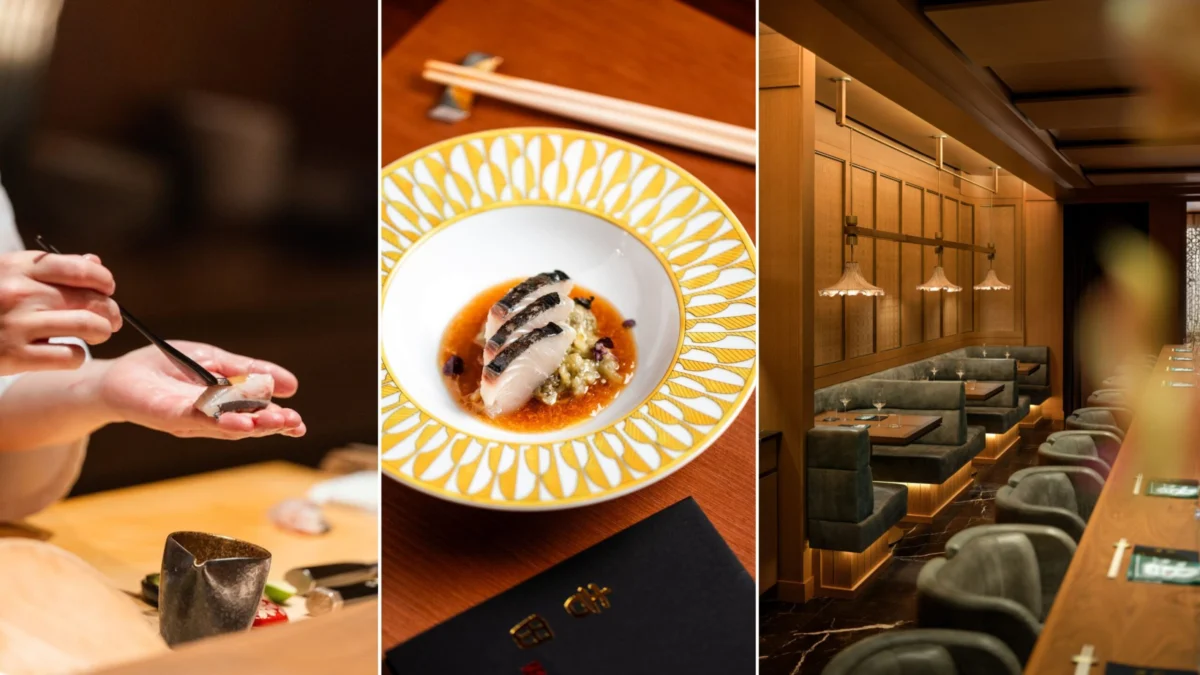
Boston’s culinary identity has long been anchored by maritime traditions rooted in New England geography and local fisheries. For generations, visitors and residents alike associated the city’s coastal cuisine with casual clam shacks, butter-drenched lobster rolls, and raw bars serving local oysters by the dozen. However, over the past two decades, Boston’s fine-dining landscape has undergone a profound transformation. Today, the city boasts a sophisticated, multi-layered sushi culture that rivals traditional culinary hubs on both coasts. Driven by international trade networks capable of sourcing premier seafood flown directly from Japanese fish markets and supported by an increasingly discerning local demographic, Boston’s sushi scene has expanded from niche neighborhood establishments to internationally recognized, chef-driven omakase destinations.

The Evolution of a Modern Seafood Hub
The growth of Boston’s high-end Japanese dining sector represents a convergence of local fisheries and global culinary logistics. While regional staples such as butter-poached lobster and fried belly clams retain their canonical forms, the modern Boston sushi market accommodates a vast spectrum of culinary philosophies. Diners can experience everything from hyper-traditional Edomae preparations to avant-garde, genre-blending creations that incorporate local New England ingredients into Japanese frameworks.

Industry analysts point out that this culinary maturation was catalyzed by a combination of shifting consumer demographics and increased global demand. The ability to import specialty fish species directly from Tokyo’s Toyosu Market—coupled with the expertise of chefs trained under international masters—has elevated the city’s gastronomic profile. Consequently, international travelers and culinary tourists increasingly view Boston not merely as a destination for regional Americana, but as a serious stop on the global omakase trail, reinforced recently by the arrival of Michelin-recognized establishments.
Pioneering Destinations: The Omakase Vanguard

To understand the trajectory of Boston’s upscale sushi culture, culinary historians often begin with its foundational institutions. Established in 2007 by James Beard Award-winning chef Tim Cushman and co-founder Nancy Cushman, O Ya set a new benchmark for fine dining in the city’s Leather District. Housed within a century-old former firehouse, the restaurant revolutionized local perceptions of Japanese cuisine by replacing à la carte menus with a meticulously orchestrated 20-course omakase. Drawing on Tim Cushman’s background as a musician, the menu is deliberately composed with the pacing and crescendo of a symphony, pairing inventive nigiri and sashimi with one of the most comprehensive sake programs in the United States. As O Ya approaches its twentieth anniversary in 2027, it remains the standard against which newer establishments are measured.
Following in the footsteps of these early pioneers, subsequent waves of chefs have introduced diverse interpretations of the craft. In Cambridge, Umami Omakase—led by chef Gary Lei, whose resume includes stints at Denver’s Sushi Den and Boston’s renowned Uni—opened its doors in 2019. Lei’s 18-course omakase bridges classical Japanese technique with theatrical modern presentations, featuring elaborate garnishes such as caviar-topped nigiri, A5 Wagyu beef, and luxury proteins served under glass cloches, accompanied by curated sake pairings.

Similarly, the emergence of Three 1 One in the South End underscores the city’s rising status on the national culinary map. Helmed by chef-proprietor Wei Fa Chen, an alumnus of New York City’s prestigious Masa, the intimate ten-seat counter gained widespread critical acclaim when it secured Boston’s sole Michelin star. The restaurant’s multi-course journey juxtaposes innovative appetizers—such as tilefish with crisp fried scales—with traditional presentations featuring rare and seasonal cuts of fish, cementing the city’s credibility among rigorous culinary critics.
Architectural and Social Dimensions of Modern Dining

As the market matured, restaurant groups and prominent designers recognized that the appeal of a sushi meal extends beyond the plate to encompass the physical environment and social atmosphere. This philosophy is embodied by venues that merge high-end cuisine with dynamic hospitality and striking interior architecture.
Zuma Boston, located within the Four Seasons Hotel One Dalton Street, exemplifies the high-energy, social dining model. As one of only six domestic outposts of the international brand, Zuma caters to patrons seeking an izakaya-inspired shared-plate experience paired with contemporary sushi within a sleek, bustling interior.

In contrast, Yoshida Omakase offers a study in quiet luxury. Designed by renowned architect David Rockwell, the space functions as a Deco-inspired jewel box featuring woven wood paneling, ribbed glass, fluted mirrors, hand-painted rice field artwork, and Hermès tableware. Within this refined setting, Chef Tony Cao executes precise Edomae-style preparations, utilizing traditional techniques such as dry-aging to intensify the natural flavors of the fish.
Neighborhood Staples and Accessible Craftsmanship

While destination omakase counters command significant attention, the strength of Boston’s culinary ecosystem lies in its diversity. Neighborhood favorites and casual counters provide high-quality seafood without the barriers of formal reservation systems or extensive financial commitments.
In Cambridge, Cafe Sushi Shoten has maintained a loyal following by balancing meticulous preparation with everyday accessibility. Having adapted its business model toward high-end takeout during the pandemic, the establishment continues to supply residents and students with meticulously crafted bento boxes and signature rolls.

In Chinatown and Quincy, Somenya offers a distinct value proposition, pairing traditional udon and soba noodles with surprisingly affordable sushi and izakaya dishes, such as scallop sashimi with yuzu and torched salmon maki. Similarly, Fuji at High Street Place demonstrates that exceptional raw fish can be successfully integrated into a fast-paced food hall environment, offering items like the truffle-accented High Street Roll alongside an extensive Japanese whisky and sake list.
In the Fenway neighborhood, Matsunori caters to pre-event crowds heading to Red Sox games or concerts by focusing on an a-la-carte hand roll model. By serving hand rolls individually to ensure crisp nori and prioritizing premium ingredients—including A5 Wagyu sourced directly from a co-owner’s family farm in Miyazaki, Japan—the restaurant proves that casual formats do not necessitate compromised quality.

Global Fusions and Regional Adaptations
Boston’s sushi landscape also embraces cross-cultural experimentation, reflecting the city’s multicultural population and the broader evolution of American sushi. Momi Nonmi, situated in Cambridge’s Inman Square under the direction of chef Chris Chung, bridges Japanese sushi traditions with influences from Chung’s native Hawaii. The resulting menu seamlessly transitions from delicate sashimi courses to Spam musubi and glazed duck drumettes, while also serving as a rare late-night dining destination in the Boston area.

Further broadening the definition of regional Japanese cuisine, Lola 42 in the Seaport District operates under a culinary thesis centered on dishes originating along the 41st parallel. The menu juxtaposes traditional sushi offerings with international items such as Korean beef bulgogi and lobster fried rice, reflecting the globalized nature of contemporary American dining.
Implications and Future Outlook

The expansion and diversification of Boston’s sushi market carry notable economic and cultural implications for the region. The influx of internationally trained master chefs, combined with substantial investments in hospitality design, has elevated Boston’s standing within the global tourism industry. Food tourism has become a vital economic driver, encouraging visitors to explore neighborhoods beyond historic downtown trails—from Bay Village, where Wa Shin brings high-end omakase to a quiet residential enclave under the guidance of Sky Zheng (a protégé mentored in the lineage of Jiro Ono), to Charlestown’s Foundation Kitchen, where Washoku Renaissance operates an exclusive eight-seat kaiseki counter.
As Boston’s dining culture continues to mature, industry observers anticipate sustained growth within the premium culinary sector. The coexistence of Michelin-starred omakase counters, neighborhood takeout staples, and genre-bending fusion spots illustrates a robust market capable of supporting diverse gastronomic expressions. By successfully marrying its historical maritime heritage with global sourcing networks and technical precision, Boston has firmly secured its position as a preeminent sushi capital of the United States.









