
 Johny Marice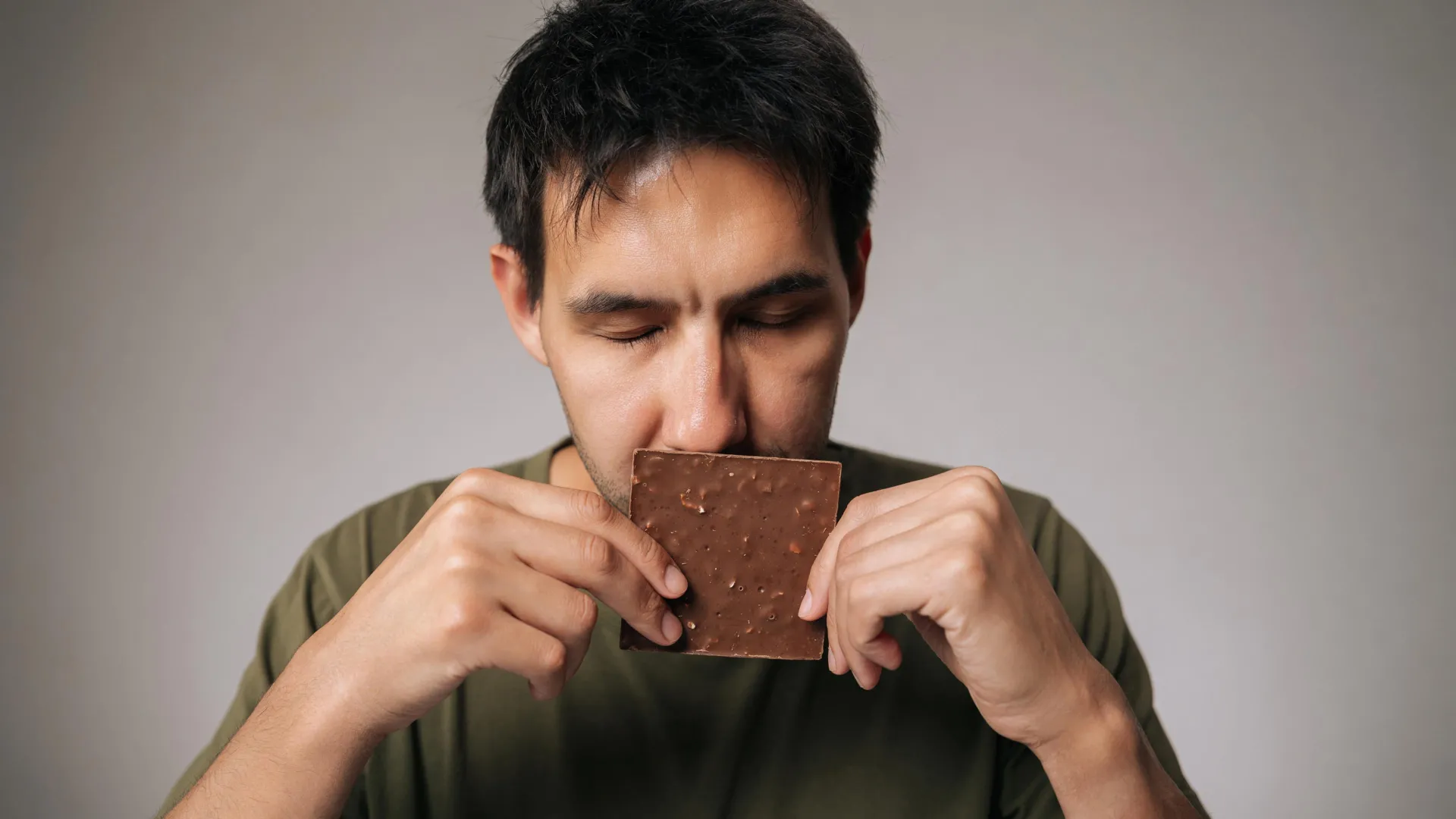
A rigorous leg day at the gym is often defined by the familiar burn of lactic acid and the psychological battle against physical fatigue. However, recent research suggests that the key to pushing through those final, grueling repetitions may not lie in a pre-workout supplement or a high-intensity playlist, but in the olfactory system. A study published in the journal Frontiers in Physiology has revealed that exposure to chocolate aromas before and during resistance exercise can significantly increase training volume without escalating the perceived rate of exertion. This discovery opens a new frontier in sports science, suggesting that the brain’s complex relationship with scent and appetite may be harnessed to enhance physical performance.
The Mechanism of Olfactory Influence on Exercise
The research, led by Dr. Mohamed Nashrudin bin Naharudin, an assistant professor at the Faculty of Sports and Exercise Science at the University of Malaya, investigated the psychobiological interplay between smell and physical output. The study recruited 23 healthy, moderately trained men in their early to mid-20s, placing them in a controlled environment to measure their performance during leg extension exercises.
The participants were subjected to a 10-hour fasting window prior to the trials to ensure that metabolic signals were not obscured by recent food intake. During the exercise sessions, they were exposed to one of three olfactory stimuli: a 90% dark chocolate aroma, a 60% milk chocolate aroma, or an odorless water control. The findings were striking: participants exposed to the dark chocolate scent completed approximately 18 more repetitions than those in the control group, while the milk chocolate aroma resulted in an additional nine repetitions.
Chronology of the Study and Experimental Design
The methodology employed by Dr. Nashrudin’s team followed a precise, systematic sequence to isolate the effects of the aromas. Initially, the researchers established a baseline for the participants’ hunger levels, desire to eat, and physical readiness.
- Pre-Exercise Assessment: Participants reported their subjective hunger levels after the 10-hour fast.
- Initial Performance Baseline: Researchers measured the maximum output for leg extensions prior to scent exposure.
- The Olfactory Intervention: During the exercise sets, participants were exposed to the selected aromas for 30-second intervals between bouts of physical exertion.
- Data Collection: Following each exposure, researchers recorded the participants’ physical performance, hunger levels, and perceived exertion ratings.
This systematic approach allowed the researchers to differentiate between the physiological act of exercising and the subjective perception of that exercise. While the performance gains were objective and quantifiable, the "perceived exertion"—the psychological feeling of how hard the exercise felt—remained stable across all groups, suggesting that the brain was tricked into higher productivity without the corresponding increase in mental strain.
Analyzing the Divergent Effects of Dark and Milk Chocolate
The study identified a critical distinction between the two types of chocolate, suggesting that different aromatic profiles interact with the brain through different neural pathways. The 90% dark chocolate aroma was found to be a potent appetite suppressant. Participants reported lower hunger levels and a higher sense of satiety before even touching a weight. Dr. Nashrudin posits that this is due to learned associations; the brain recognizes the bitter, rich scent of high-cocoa chocolate as a signal of imminent, calorie-dense nourishment. Consequently, the body enters an "anticipatory state of fullness," which effectively suppresses hunger signals even in a fasted state.
In contrast, the 60% milk chocolate aroma functioned primarily as a hedonic reward. Participants described this scent as more pleasant than the dark chocolate or the control, yet it did not significantly alter their metabolic hunger signals. Instead, the pleasantness of the smell created a positive sensory environment, which likely boosted performance by reducing the overall discomfort associated with the exercise. The milk chocolate scent acted as a psychological motivator, while the dark chocolate scent acted as a biological stabilizer.
The Science of Learned Associations
The implications of these findings are deeply rooted in behavioral psychology. Humans are conditioned from childhood to associate specific food aromas with comfort, reward, and satiety. When an individual encounters these smells, the brain’s olfactory system—which is closely linked to the limbic system, the seat of emotion and memory—triggers a cascade of anticipatory responses.
"The dark chocolate scent serves as a learned cue for a rich, bitter, and highly satiating food, which essentially tricks the system into an anticipatory state of fullness," Dr. Nashrudin explained. This "trick" is a fascinating example of how the mind can preemptively modulate physical systems. By triggering the body’s expectation of energy intake, the aroma may alleviate the psychological pressure of a workout, allowing the athlete to bypass the usual mental barriers that precede physical failure.
Limitations and Future Research Directions
While the results are compelling, the research team is careful to note the study’s limitations. As a pilot study involving a relatively small cohort of healthy young men, the findings cannot yet be broadly generalized to the entire population. Furthermore, the researchers acknowledged that the intensity of the aromas was not perfectly calibrated, meaning that the strength of the stimulus could have influenced the results as much as the nature of the scent itself.
Additionally, the biological pathway—the "how"—remains theoretical. The study did not include blood tests to measure hormonal shifts (such as ghrelin or leptin levels) or brain imaging to observe neural activity. Without this data, it remains unclear whether the performance boost is purely neurological or if there is an underlying endocrine response triggered by the olfactory system.
Dr. Nashrudin emphasized that further research is required to determine if this phenomenon is unique to chocolate or if it can be replicated with other food cues. "We don’t think chocolate is entirely unique," he noted. "However, it is a food cue with incredibly strong, universally recognized reward associations." Future studies may explore whether other familiar, highly-regarded food scents—such as coffee, vanilla, or savory herbs—can produce similar or even superior results in athletic performance.
Broader Implications for Sports Science and Nutrition
If confirmed through larger, more diverse longitudinal studies, the integration of olfactory stimulation into athletic training could have significant implications for both professional and recreational athletes. The use of "sensory interventions" could provide a non-invasive, low-cost method for athletes to enhance their training volume.
From a practical standpoint, this could lead to the development of specialized "scent-based" pre-workout products. Unlike traditional stimulants, which often rely on caffeine or synthetic compounds that can cause jitteriness or energy crashes, an olfactory approach targets the brain’s reward and satiety centers directly.
Moreover, this research challenges the conventional view that athletic performance is solely a matter of muscle fiber composition, cardiovascular capacity, and caloric intake. It suggests that the environment, specifically the sensory landscape in which an athlete operates, is a key variable in determining the limit of human endurance. By carefully curating the sensory experience of a workout, trainers may be able to manipulate the athlete’s perception of effort, effectively extending the "ceiling" of their physical capacity.
Conclusion
The study conducted at the University of Malaya serves as a significant initial step in understanding how our environment can influence our physical capabilities. By bridging the gap between olfactory science and exercise physiology, the researchers have identified a potential "hack" for the human brain. As sports science continues to evolve, the focus may shift from what athletes consume to how the very air they breathe can be used to optimize their performance. For now, the takeaway for the average gym-goer is simple: if you are looking for that extra push, the scent of dark chocolate might just be the most effective, and certainly the most pleasant, training partner you could have.









