Johny Marice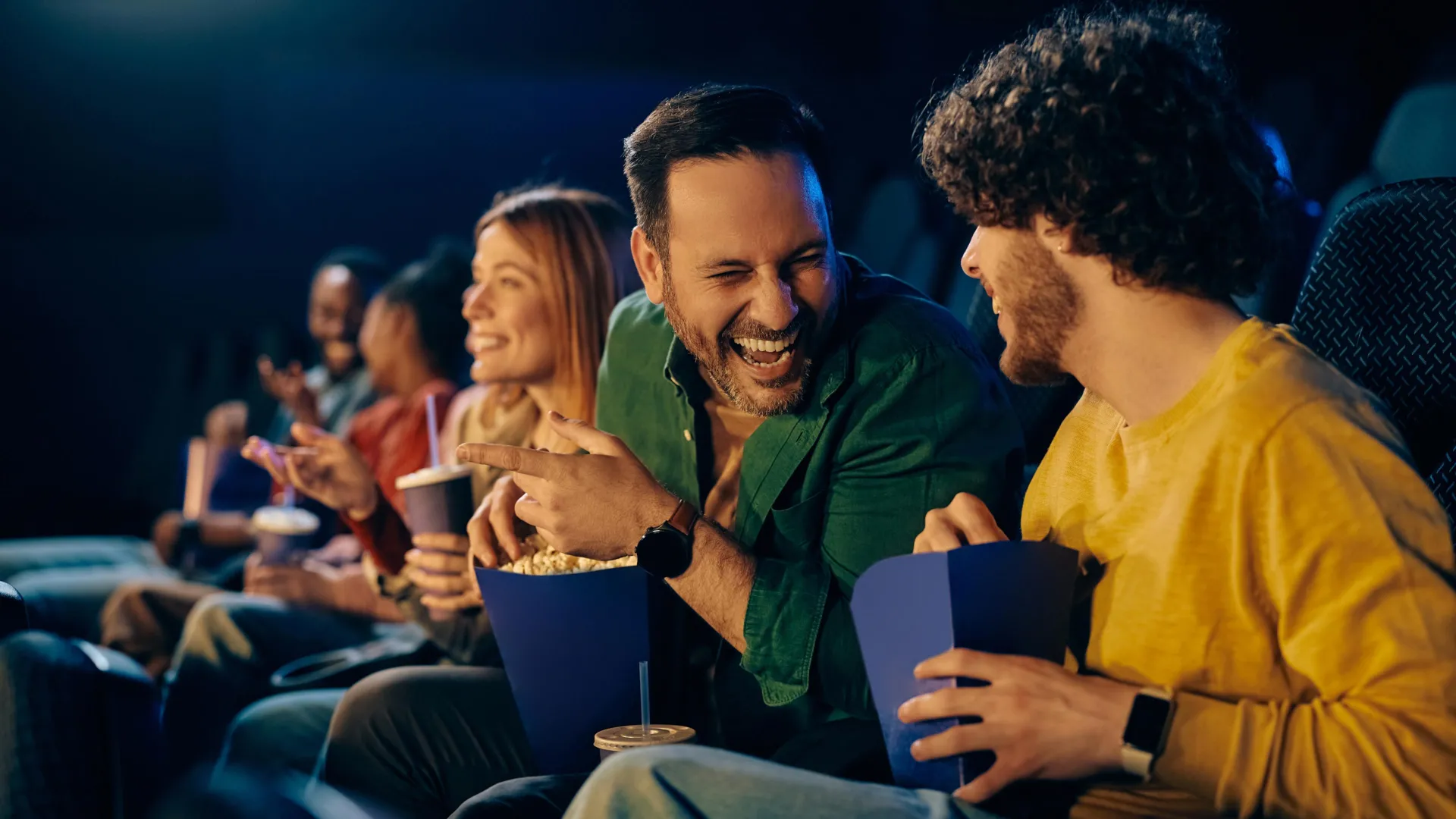
People who regularly immerse themselves in the enriching world of museums, theaters, concerts, and movie theaters may be doing far more than simply enjoying their leisure time. Emerging scientific inquiry suggests that these cultural pursuits are associated with a younger physiological age, indicating that the body’s internal clock may be ticking at a slower, more youthful pace. This groundbreaking research, published in the esteemed Journal of Epidemiology and Community Health, adds significant weight to the growing body of evidence highlighting the crucial role of social and cultural engagement in promoting healthy aging.
The Science Behind Biological Aging
While the passage of time is an immutable fact of life, the rate at which our bodies age can vary considerably from individual to individual. Physiological age, a concept distinct from chronological age (the simple tally of years lived), offers a more nuanced measure of an individual’s vitality. It reflects the functional capacity of the body’s systems and organs, providing a biological snapshot that can differ substantially from one’s calendar age. This distinction is critical when examining the factors that contribute to longevity and quality of life in later years.
Previous scientific investigations have consistently pointed to a correlation between cultural activities, such as attending cinematic screenings, exploring museum exhibits, and experiencing live performances, and improved health and well-being among older adults. However, the precise connection between these enriching endeavors and the very process of biological aging itself has remained a less explored frontier.
A Landmark Longitudinal Study from Japan
Addressing this gap, researchers at the Institute of Science Tokyo in Japan have conducted what appears to be the first longitudinal study to rigorously examine this relationship. Their innovative approach specifically accounted for unmeasured factors that tend to remain consistent over time within individuals, thereby strengthening the validity of their findings. This meticulous methodology allows for a more precise understanding of how cultural engagement might influence the aging trajectory.
The study, which spanned several years, meticulously analyzed data from a substantial cohort of 1,899 adults. These participants were drawn from the English Longitudinal Study of Ageing (ELSA), a comprehensive, ongoing population-based research initiative that captures a nationally representative sample of adults aged 50 and above residing in England. The ELSA study itself is a significant undertaking, initiated in 2002 with the primary objective of understanding the health and well-being of the aging population in England, and collecting data through regular survey waves.
Tracking Biological Markers: A Multifaceted Approach to Aging
The research team leveraged data collected across multiple survey waves of the ELSA study, specifically focusing on data points from 2004/2005, 2006/2007, and 2008/2009. This longitudinal design is key, as it allows researchers to observe changes over time within the same individuals, providing a more dynamic picture of aging than cross-sectional studies.
To quantify physiological age, trained nurses meticulously measured ten distinct indicators of physical health. These included vital metrics such as pulse pressure, diastolic blood pressure, and forced expiratory volume (a measure of lung function). Other indicators assessed were hemoglobin concentration, fibrinogen levels (involved in blood clotting), glycated hemoglobin (a marker for long-term blood sugar control), low-density lipoprotein (LDL) cholesterol (often referred to as "bad" cholesterol), body mass index (BMI), grip strength (a proxy for muscle mass and overall physical function), and walking speed (a predictor of mobility and overall health). These ten diverse measurements were then synthesized into a single, composite physiological age score for each participant.
Concurrently, participants provided detailed self-reported information regarding their frequency of engagement in specific cultural activities. They were asked to report how often they attended the cinema, visited a museum or art gallery, and went to a theater, concert, or the opera. Each of these activities was assigned a score on a scale ranging from 0 (indicating never attending) to 5 (signifying attendance twice a month or more). By summing these individual scores, researchers calculated a total "cultural engagement score" for each individual, with a potential range from 0 to 15.
The Tangible Link: Higher Engagement, Younger Bodies
The findings of this extensive study revealed a clear and compelling association: individuals who reported higher levels of cultural engagement—defined as participating in cultural activities at least every few months—exhibited an average physiological age of 66.9 years. In stark contrast, those who reported lower levels of participation had an average physiological age of 69.9 years. This represents a significant difference of approximately three years in biological aging, suggesting that consistent engagement in cultural pursuits could indeed be slowing down the aging process at a physiological level.
Furthermore, the study identified demographic and socioeconomic characteristics that were often associated with higher cultural engagement. Participants who were more actively involved in cultural activities were more likely to be women, possess a higher socioeconomic status, be employed, and, importantly, already report better overall health. These correlations suggest a complex interplay of factors influencing both cultural participation and biological aging, where socioeconomic resources and existing health may facilitate greater cultural access and enjoyment.
Crucially, the researchers meticulously adjusted their analysis for a range of confounding factors. These included household income, employment status, and the presence of chronic health conditions. Even after accounting for these variables, the association between cultural engagement and physiological age remained statistically significant. The study found that for every one-point increase in the cultural engagement score, there was a corresponding reduction in physiological age of 0.085 years, which translates to approximately 31 days. This granular finding underscores the consistent, cumulative benefit of even modest increases in cultural participation.
Unraveling the "Why": Potential Mechanisms at Play
The researchers propose several plausible explanations for this observed association, highlighting the multifaceted benefits of cultural immersion. Cultural activities can serve as powerful catalysts for strengthening social connections. Engaging with others at concerts, theaters, or museums fosters a sense of community and belonging, which are known to be vital for mental and physical well-being. Moreover, these activities can indirectly encourage healthier lifestyle habits. For instance, planning an outing to a cultural event might inspire a more active approach to daily life, or the discussions and reflections sparked by artistic experiences could promote greater mental stimulation and emotional resilience. All of these factors—enhanced social ties, healthier habits, and improved mental health—are independently linked to slower physiological aging.
However, the authors are careful to acknowledge the observational nature of their study. While the findings are robust, they cannot definitively establish a cause-and-effect relationship. It is possible that reverse causation plays a role; in other words, individuals who are already healthier and possess greater vitality may simply be more inclined and able to attend cultural events. Their better physical condition might enable them to engage more readily in these activities, rather than the activities themselves being the primary driver of their slower aging.
Despite this caveat, the researchers argue compellingly that cultural engagement represents a modifiable behavior—something individuals can consciously choose to increase. They posit that it could evolve into a highly effective public health strategy. Notably, they draw a striking parallel, stating that the impact of cultural engagement on physiological aging can be comparable to that of frequent physical activity, a well-established cornerstone of healthy aging. This comparison elevates the significance of cultural participation from a mere leisure pursuit to a potentially powerful intervention for extending healthspan.
Towards a More Culturally Inclusive Future
The implications of this research extend to public policy and accessibility. The researchers emphasize the importance of making cultural events more geographically and financially accessible. This could involve initiatives such as subsidized tickets for low-income individuals, increased availability of public transportation to cultural venues, and the development of community-based cultural programs that reach underserved populations. By lowering barriers to participation, more individuals could reap the potential health benefits associated with cultural engagement.
The study’s authors also underscore the need for further investigation. While their findings are promising, additional research is warranted to definitively determine whether actively encouraging greater cultural engagement leads to lasting improvements in health outcomes and demonstrably healthier aging over the long term. Future studies might employ randomized controlled trials, where participants are actively assigned to engage in cultural activities, to more rigorously assess causality. Longitudinal tracking over extended periods, incorporating a wider array of biomarkers, could also provide deeper insights into the mechanisms and long-term effects.
In conclusion, this significant study from Japan provides compelling evidence that the joy derived from visiting museums, attending theaters, and experiencing concerts is not merely a fleeting pleasure. It appears to be intrinsically linked to a more youthful biological clock, offering a potent, enjoyable, and potentially accessible avenue for promoting healthy aging. As our global population ages, understanding and promoting such lifestyle factors will be paramount in ensuring not just longer lives, but lives lived with greater vitality and well-being. The art of aging well, it seems, may be found not just in the science of medicine, but also in the embrace of culture.