Kang Muslim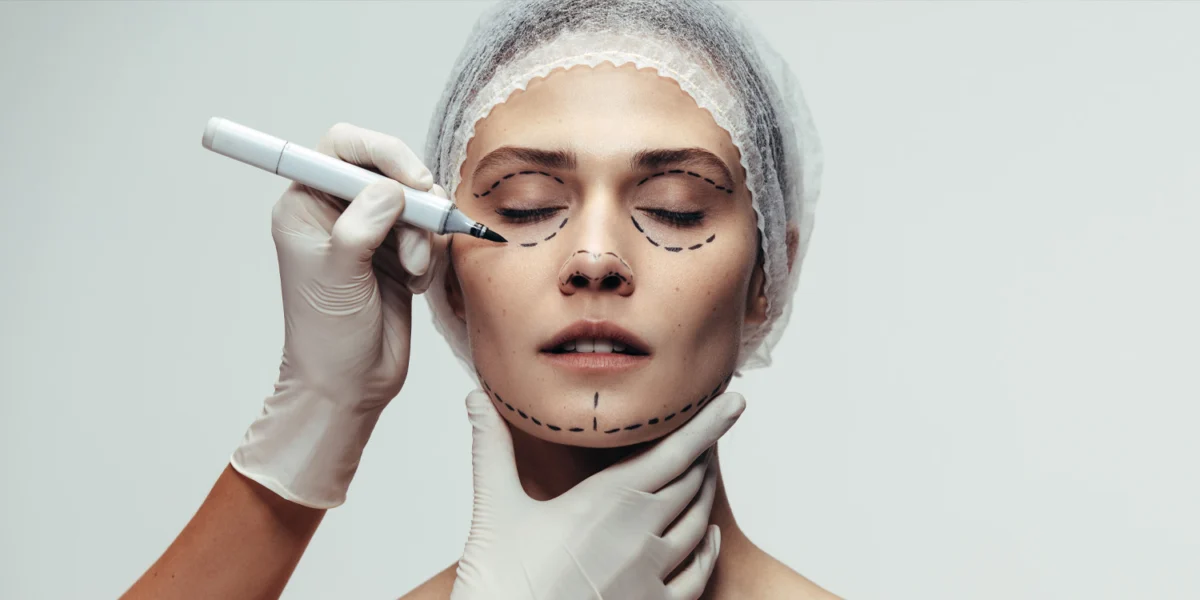
A groundbreaking study published in the Journal of Health Psychology has identified a significant trend in the field of aesthetic medicine, suggesting that for a substantial number of women, the pursuit of cosmetic enhancements has transitioned from elective self-improvement to a behavioral addiction. Conducted by a multi-disciplinary research team from the Hebrew University of Jerusalem and the Israel Center for Addiction and Mental Health, the study provides empirical evidence that low body esteem and problematic social media habits are primary drivers behind the compulsive need for repeated aesthetic interventions. The findings highlight a growing public health concern as the global demand for both surgical and non-surgical cosmetic procedures continues to surge at an unprecedented rate.
The research team—comprising Vera Skvirsky, Uri Lifshin, Dvora Shmulewitz, and Mario Mikulincer—focused on the psychological mechanisms that underpin the repetitive nature of cosmetic treatments. By analyzing a demographic sample of 1,614 Jewish women in Israel, the researchers sought to quantify the prevalence of "addictive cosmetic behavior," a term used to describe a pattern of behavior characterized by a loss of control, failed attempts to stop, and continued engagement in procedures despite potential physical, financial, or psychological harm.
The Global Context: A 40% Surge in Aesthetic Interventions
The Israeli study arrives at a time when the global cosmetic industry is experiencing a massive transformation. According to data from the International Society of Aesthetic Plastic Surgery (ISAPS), the total number of surgical and non-surgical procedures performed worldwide increased by approximately 40% between 2019 and 2023. This spike is attributed to several factors, including the normalization of "lunchtime procedures" like Botox and dermal fillers, the rise of teleconferencing—often referred to as the "Zoom Boom"—which forced individuals to stare at their own facial features for hours daily, and the pervasive influence of social media filters.
As these procedures become more accessible and socially acceptable, mental health professionals have observed a shift in patient behavior. While most individuals undergo a single procedure to address a specific concern, a growing subset of the population returns repeatedly, seeking a level of perfection that often remains elusive. This cycle of temporary satisfaction followed by a renewed sense of inadequacy mirrors the dopamine-driven cycles seen in substance use disorders and other behavioral addictions, such as gambling or compulsive shopping.
Methodology: Quantifying Behavioral Addiction in Aesthetics
To measure the extent of this phenomenon, the researchers recruited a diverse sample of women aged 25 to 71. The participants were selected to reflect the broader adult female Jewish population in Israel, accounting for various levels of religious observance and educational backgrounds. Data collection took place in February 2025 via a comprehensive online survey platform.
Of the 1,614 participants, 710 women (approximately 44%) reported having undergone at least one cosmetic procedure in their lifetime. To assess addiction-like tendencies, the scientists adapted a validated psychological instrument originally designed to diagnose substance-use disorders. This adapted scale measured several key indicators of addiction:
- Compulsion: A persistent and overwhelming urge to undergo further procedures.
- Loss of Control: Repeated failed attempts to reduce or stop aesthetic treatments.
- Negative Consequences: Continuing procedures despite adverse physical reactions or psychological distress.
- Tolerance: The need for increasingly frequent or invasive treatments to achieve the same level of psychological "high" or satisfaction.
The participants also completed a battery of standardized psychological tests to measure global self-esteem, attachment security (the ability to rely on others for emotional support), attitudes toward aging, and feminist beliefs.
Key Findings: Prevalence and Demographic Nuances
The results of the study revealed a startling prevalence of addictive-like behavior. Among the group of 710 women who had previously undergone procedures, 20% met the clinical threshold for a moderate to severe risk of addictive use over their lifetime. Even more concerning was the finding that 15.4% of these women reported experiencing these moderate to severe symptoms within the past 12 months alone.
When the data was extrapolated to the entire sample of 1,614 women—including those who had never had a procedure—nearly 9% showed signs of lifetime addiction risk, and 7% showed signs of current risk. These figures suggest that the potential for addiction is not limited to a tiny fringe of the population but represents a significant behavioral health issue within the general public.
Interestingly, the study found that age and education level were not significant predictors of addiction risk. Whether a woman was in her 20s or her 60s, or whether she held a high school diploma or a doctoral degree, the risk factors remained relatively consistent. However, religious affiliation did play a role. Women who identified as "traditional" (observing some religious customs but not strictly orthodox) reported higher risk scores than secular women. Conversely, both secular and traditional women scored higher than those identifying as religious or ultra-orthodox. Researchers suggest this may be due to the specific societal and aesthetic pressures present within traditional communities, where modern beauty standards and traditional social expectations often intersect.
The Triad of Risk: Social Media, Body Esteem, and Feminism
The statistical analysis identified three primary variables that were uniquely and strongly associated with addictive cosmetic behaviors: lower body esteem, problematic social media use, and weaker feminist attitudes.
1. The Social Media Catalyst
The study highlighted a "toxic interaction" between digital habits and physical self-perception. Problematic social media use—defined by a compulsive need to log on and feelings of distress when disconnected—was a major predictor of addiction. Platforms that prioritize visual content, such as Instagram and TikTok, often promote "idealized" facial structures and body types through filters and AI-driven enhancements. For women already struggling with low body esteem, constant exposure to these digital "ideals" serves as a catalyst, driving them toward cosmetic interventions to bridge the gap between their real-world appearance and their digital avatar.
2. Body Esteem vs. Global Self-Esteem
One of the most nuanced findings of the study was the distinction between global self-esteem and body esteem. While global self-esteem refers to a person’s overall sense of self-worth, body esteem is specific to physical appearance. The researchers found that a woman could have high global self-esteem—feeling competent in her career and relationships—yet still suffer from low body esteem that drives addictive cosmetic behavior. This suggests that the drive for cosmetic surgery is not necessarily a reflection of a "broken" personality, but rather a specific dissatisfaction with the physical self that is amplified by external pressures.
3. The Protective Power of Feminist Attitudes
The study also explored the role of feminist beliefs, specifically the rejection of traditional, passive gender roles. Women who scored higher on feminist attitudes were found to have a lower risk of developing addictive cosmetic behaviors. The researchers posit that a strong feminist identity may act as a protective buffer, allowing women to critically analyze and reject narrow societal beauty standards rather than internalizing them as personal failures.
Implications for the Medical and Mental Health Communities
The findings of this research have significant implications for plastic surgeons, dermatologists, and mental health professionals. Currently, the "screening" process for cosmetic procedures often focuses on physical health and the ability to pay, rather than psychological readiness or the presence of addictive patterns.
Mental health experts suggest that "addictive cosmetic behavior" may be closely related to Body Dysmorphic Disorder (BDD), a condition where individuals become obsessed with perceived flaws in their appearance. However, the Hebrew University study suggests that addiction can exist even in the absence of a full BDD diagnosis. The "hit" of dopamine received after a successful procedure, followed by the inevitable return to baseline dissatisfaction, creates a behavioral loop that is difficult to break.
Industry analysts suggest that the rise of "filler fatigue"—a recent trend where celebrities and influencers are publicly dissolving their dermal fillers—may be a sign of a growing awareness of these addictive cycles. However, for the general population, the accessibility and low cost of non-surgical treatments continue to make them an attractive, yet potentially habit-forming, option.
Limitations and Future Directions
The researchers noted several limitations to their study. First, the data is cross-sectional, meaning it captured a "snapshot" in time. This prevents the team from definitively stating that social media use causes cosmetic addiction; it is possible that individuals with a predisposition toward addiction are simply more likely to use social media obsessively.
Furthermore, the study focused exclusively on Jewish Israeli women. Future research is needed to determine if these patterns hold true among men, who are increasingly seeking cosmetic procedures, as well as transgender and non-binary individuals. Additionally, the study did not distinguish between invasive surgeries, like rhinoplasty, and non-invasive treatments, like Botox. Understanding whether the type of procedure affects the addiction risk is a crucial next step for the scientific community.
Conclusion: A Call for Psychological Awareness
As the cosmetic industry continues its rapid expansion, the Hebrew University study serves as a vital reminder of the psychological complexities underlying the quest for physical perfection. The transition from "wanting to look better" to "needing the next procedure" is a subtle but dangerous shift.
By identifying the specific roles of social media, body esteem, and societal attitudes, this research provides a roadmap for more effective interventions. Whether through stricter screening protocols in aesthetic clinics or media literacy programs that help women navigate the pressures of digital environments, the goal is to ensure that cosmetic procedures remain a choice made from a position of empowerment, rather than a compulsion driven by insecurity and digital influence. The study, titled "Prevalence of addictive use of cosmetic procedures and risk factors among Israeli women," stands as a foundational document in the emerging field of aesthetic psychology.