Danny Garick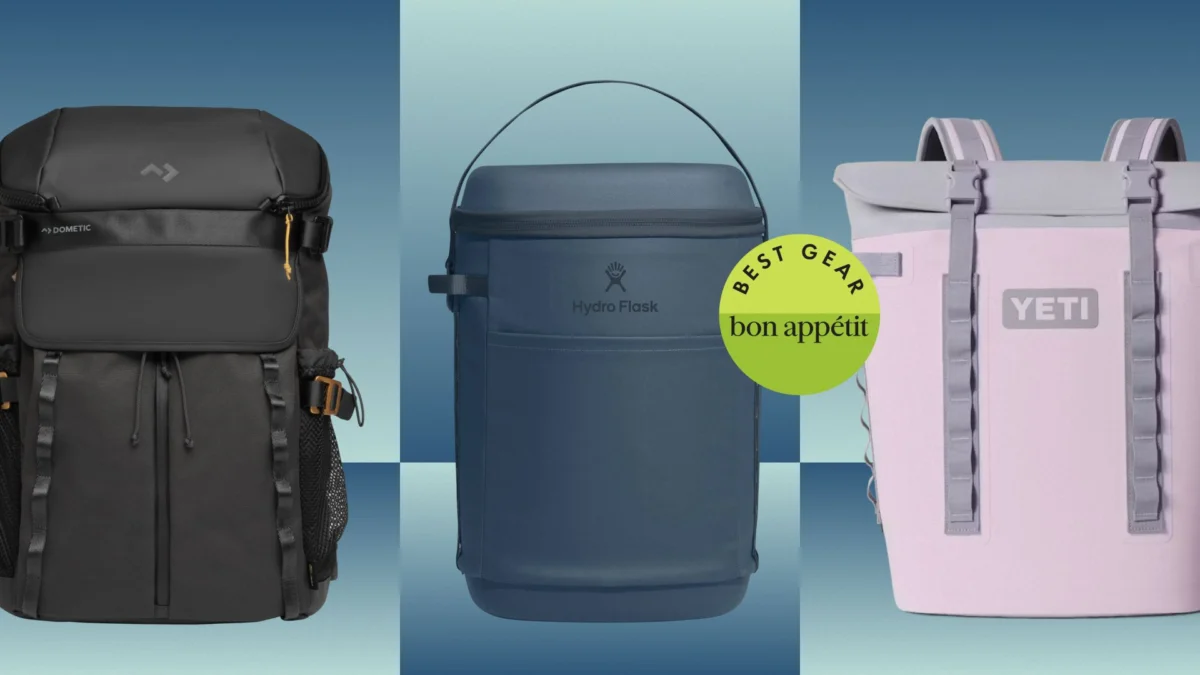
The evolution of outdoor recreation equipment has seen a significant shift toward portability and ergonomic design, particularly in the segment of thermal storage. As consumers increasingly prioritize "hands-free" travel for beach excursions, hiking, and remote camping, the backpack cooler has emerged as a critical alternative to traditional hard-sided containers. While hard coolers offer superior ice retention for long-duration trips, their lack of mobility over uneven terrain—such as deep sand or rocky trails—has created a market vacuum that soft-sided, wearable coolers now fill. This report analyzes the performance of leading backpack coolers based on a rigorous multi-day field test, evaluating thermal efficiency, material durability, and ergonomic comfort.
The State of the Outdoor Cooling Market
The global outdoor cooler market has experienced steady growth, driven by a post-pandemic surge in domestic tourism and outdoor activities. Industry data suggests that consumers are moving away from oversized, heavy equipment in favor of specialized gear that facilitates mobility. The backpack cooler segment, in particular, caters to a demographic that balances day-trip convenience with the technical requirements of cold-chain maintenance for food and beverages. Brands such as Yeti, Hydro Flask, and Dometic have invested heavily in proprietary insulation technologies and leakproof closures to bridge the gap between the convenience of a backpack and the thermal performance of a stationary cooler.
Testing Methodology and Chronology of Evaluation
To provide an objective assessment of the current market leaders, a selection of seven high-profile backpack coolers with capacities ranging from 20 to 30 liters were subjected to a standardized testing protocol.
The evaluation began with a controlled thermal retention test. Each unit was loaded with five pounds of loose ice contained in a plastic bag to simulate common usage while allowing for easy measurement of melt rates. To simulate a "real-world" thermal load, several pre-chilled 12-ounce beverages were added to each cooler. The units were then placed in an outdoor environment for a period of 96 hours, exposed to a natural cycle of direct sunlight and shade with ambient temperatures fluctuating between 70 and 85 degrees Fahrenheit.

Daily monitoring was conducted at 24-hour intervals to document ice depletion and the internal temperature of the beverages. Following the thermal test, each cooler was evaluated for ergonomic performance. Evaluators carried the units, fully loaded to their maximum capacity, across varied terrain to assess shoulder strap padding, weight distribution, and the effectiveness of sternum straps.
Analysis of Top-Performing Models
The Hydro Flask 22L Carryout Soft Cooler Backpack
The Hydro Flask Carryout emerged as the most versatile option for general consumer use. Its design balances structural integrity with a lightweight profile, weighing approximately 3.34 pounds when empty.
Thermal Performance: In the 96-hour test, the Hydro Flask maintained solid ice for 48 hours. Even after the ice had fully transitioned to liquid at the 72-hour mark, the internal beverage temperature remained significantly below ambient levels, providing palatable drinks for three full days.
Design and Ergonomics: The unit features a "clamshell" opening that remains retracted during use, allowing for unobstructed access to the interior. The exterior is constructed from recycled polyester, which is certified sustainable by Bluesign. While the fabric is water-resistant rather than fully waterproof, it provides sufficient protection for standard recreational use. At a price point of approximately $150, the Carryout offers a high performance-to-cost ratio.
The Yeti Hopper M20 Soft Backpack Cooler
Positioned at the premium end of the market with a retail price of $325, the Yeti Hopper M20 is engineered for high-intensity outdoor environments. Yeti has historically dominated the high-end cooler market, and the M20 continues this trend with several technical innovations.

Thermal Performance: The M20 outperformed all other units in thermal retention. It was the only cooler in the test group that still contained solid ice at the conclusion of the 72-hour window. This is attributed to Yeti’s "ColdCell" insulation—a closed-cell foam that offers superior thermal resistance compared to standard open-cell alternatives.
Durability and Technical Features: The exterior utilizes a high-density fabric that is resistant to punctures, UV rays, and mildew. The "MagShield" access point uses powerful magnets to create a leak-resistant seal. However, testers noted that the strength of these magnets, while beneficial for cold retention, makes the unit difficult to load and unload with one hand. The M20 is also the heaviest of the top performers at 5.6 pounds empty, making it a specialized tool for those who prioritize ice longevity over lightweight travel.
The Dometic Unrestricted 24L Cooler Backpack
Dometic, a brand traditionally associated with mobile living and professional-grade refrigeration, has introduced the Unrestricted 24L to target the "urban-to-trail" demographic. This model integrates features typically found in technical daypacks with advanced insulation.
Thermal Performance: Utilizing Primaloft Gold insulation—a synthetic material more commonly found in high-end outerwear—the Dometic cooler achieved a 48-hour ice retention window. A unique feature of this model is the inclusion of internal magnetic connection points for proprietary ice packs, which help maintain organization and thermal efficiency.
Versatility: The Unrestricted 24L includes a laptop sleeve and multiple exterior pockets, signaling a shift toward multi-purpose gear. It weighs 3.4 pounds and is designed with a "loftier" feel, making it one of the most comfortable units for extended wear. It is priced at approximately $249, positioning it between the Hydro Flask and the Yeti in terms of market segment.

Secondary Options and Specialty Models
Several other models were evaluated that, while not reaching the top tier of overall performance, offer specific advantages for certain user groups.
- Cotopaxi Hielo 24L: Noted for its aesthetic appeal and use of repurposed materials, the Hielo provided adequate insulation for 36 hours. However, its boxy silhouette was found to be less ergonomic than the more streamlined models from Hydro Flask and Dometic.
- Rovr TravelR 24-Can: This model is aimed at the budget-conscious consumer, retailing for approximately $150. While its ice retention was limited to 24 hours, its lightweight construction and external storage pockets make it a viable option for short-duration social events like tailgates or park picnics.
Engineering Limitations and Performance Failures
The field test also identified units that failed to meet the rigorous demands of outdoor transport or thermal maintenance. The BruMate MagPack 24-Can, while offering excellent ice retention (exceeding 48 hours), was deemed impractical for backpack use due to its weight. At 7.74 pounds empty, the unit becomes prohibitively heavy when loaded with ice and beverages, essentially negating the benefits of the backpack format.
Furthermore, smaller, unbranded "mini" backpack coolers were found to be insufficient for anything beyond a standard lunch hour. One such unit tested failed to maintain ice for even 24 hours, with internal temperatures rising to unsafe levels for food storage by the end of the first day.
Critical Considerations for Consumers
When selecting a backpack cooler, the data suggests that consumers must prioritize three factors: the intended duration of use, the terrain, and the required capacity.
- Insulation Type: Closed-cell foam (found in Yeti) provides the best retention but adds weight and stiffness. Synthetic lofted insulation (found in Dometic) offers better comfort and lower weight but slightly less thermal resistance.
- Closure Systems: Zippers are intuitive but can be points of thermal leakage if not "waterproof" rated. Magnetic closures offer superior seals but require more physical effort to operate.
- Ergonomics: For hikes exceeding 30 minutes, features such as padded hip belts and sternum straps become essential to prevent shoulder strain and spinal misalignment.
Broader Impact and Industry Implications
The rise of high-performance backpack coolers reflects a broader trend in the consumer goods industry: the "premiumization" of outdoor gear. As more individuals engage in outdoor activities, there is a growing willingness to invest in equipment that offers professional-grade performance in a consumer-friendly format.

Furthermore, the shift toward sustainable materials—such as the recycled polyesters used by Hydro Flask and Cotopaxi—indicates that environmental impact is becoming a primary competitive vertical in the outdoor market. Brands that fail to integrate sustainable manufacturing processes or that produce "disposable" low-quality coolers are likely to lose market share to companies offering long-term durability and eco-friendly certifications.
In conclusion, the 2024 field tests demonstrate that the Hydro Flask Carryout 22L serves as the optimal choice for the average user, while the Yeti Hopper M20 remains the gold standard for extreme thermal requirements. The Dometic Unrestricted 24L represents a new category of hybrid gear that successfully blends professional cooling technology with the needs of the modern, mobile professional. For the consumer, the "best" cooler is no longer defined solely by how long it keeps ice frozen, but by how effectively it integrates into a mobile, active lifestyle.