Ronny Sianturi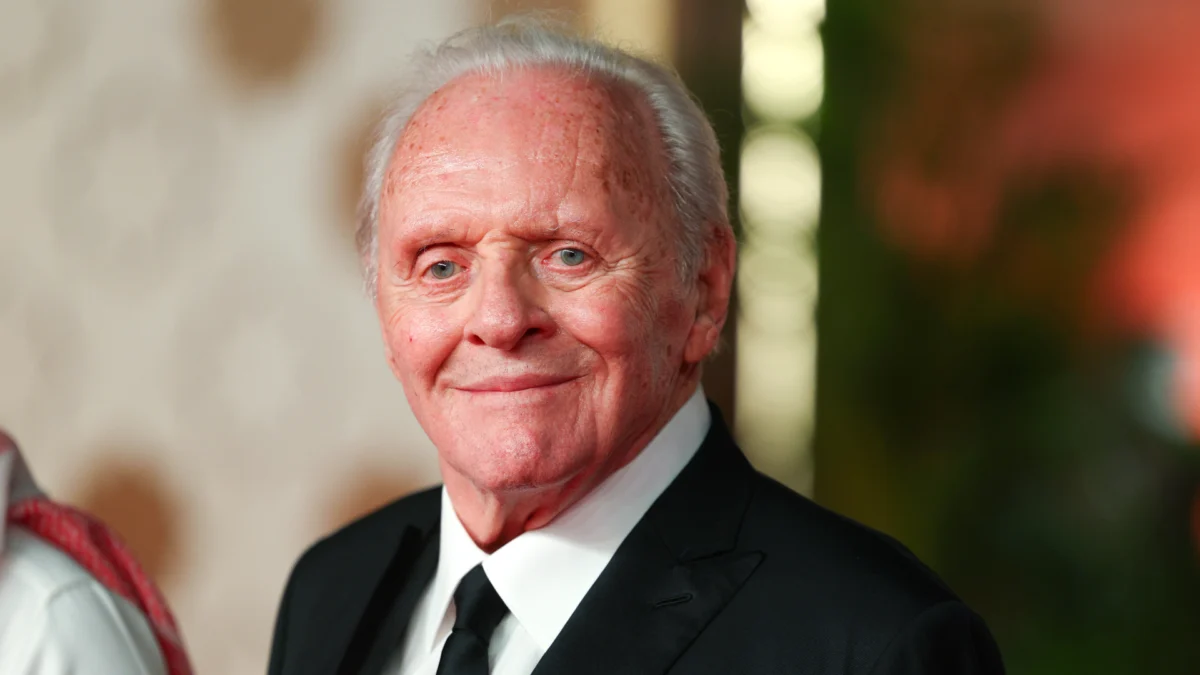
At 88 years old, acclaimed, Oscar-winning actor Sir Anthony Hopkins continues to defy conventional notions of artistic retirement, embarking on a significant new chapter in his multifaceted career: the release of his debut classical music album. Titled Life Is a Dream, the collection is set to debut on August 21st, with the first single, "Bracken Road," already released to the public, offering a poignant glimpse into the celebrated performer’s lifelong dedication to musical creation. This endeavor marks a profound artistic statement from an individual already revered for his transformative portrayals on stage and screen, most notably for his iconic role as Hannibal Lecter in The Silence of the Lambs and his deeply moving performance in The Father.
A Decades-Long Musical Journey Culminates
The genesis of Life Is a Dream is not a recent whim but the culmination of over six decades of dedicated composition. Sir Anthony Hopkins has revealed that the pieces featured on the album have been germinating and evolving within him for a significant portion of his life. This extensive gestation period underscores the depth and maturity of the musical offering. The album is being released under the prestigious Decca Classics label, a testament to the perceived artistic merit and potential impact of Hopkins’ work within the classical music sphere. The recordings themselves are performed by the renowned Philharmonia Orchestra, under the baton of the celebrated conductor Gustavo Dudamel, with featured soloists including cellist Gregorio Nieto and classical pianist Sergio Tiempo.
The choice of collaborators is significant. Gustavo Dudamel is globally recognized for his passionate and dynamic conducting style, having led some of the world’s leading orchestras, including the Los Angeles Philharmonic and the Simón Bolívar Symphony Orchestra of Venezuela. His involvement suggests a profound commitment to bringing Hopkins’ compositions to life with interpretive brilliance. Similarly, the Philharmonia Orchestra boasts a long and distinguished history, known for its exceptional musicianship and its dedication to presenting a diverse repertoire.
Echoes of Childhood and Personal Reflections
The lead single, "Bracken Road," serves as a powerful introduction to the album’s thematic landscape. Its inspiration is deeply rooted in Sir Anthony Hopkins’ personal history, drawing from his childhood memories of Margam in South Wales. Decca Classics has described the piece as evoking "the streets, meadows, farmland, and mountains around his family home in the 1940s." This connection to his formative years suggests a deeply personal and evocative musical narrative, one that seeks to capture the essence of place and memory through sound.
Further insights into the album’s thematic breadth come from other compositions. "My Fatherland" is explicitly stated to be inspired by traditional Welsh melodies, further cementing the album’s connection to Hopkins’ heritage. Other pieces are reportedly influenced by the cinematic world that has been his professional home for so long, as well as by his wife and niece, indicating a rich tapestry of personal experiences and relationships that have fueled his creative output. This multi-layered inspiration promises an album that is both introspective and broadly resonant, reflecting the composer’s journey through life and art.
A Lifelong Passion, Early Beginnings
Hopkins himself has articulated the profound significance of music in his life, describing it as "my first desire, my first wish." He elaborates, "I’ve been composing music all my life. Some of these pieces have lived with me for decades and I still find myself returning to them. My whole life is a dream." This statement encapsulates a lifelong artistic pursuit that has existed in parallel with his celebrated acting career.
The narrative of his musical journey begins remarkably early. According to Decca Classics, Hopkins has been playing the piano since the age of four. By the tender age of seven, he was already engaging with the works of classical masters like Beethoven and Chopin. As a teenager, his creative energies were channeled into composing music for local theatrical productions, demonstrating an early aptitude for dramatic and narrative musical expression. This early immersion in music laid the foundation for a passion that would endure and mature over a lifetime.
Precedent in the Music World
While Life Is a Dream marks his debut album release with a major classical label, this is not Sir Anthony Hopkins’ first foray into the professional music arena. In 2012, he garnered significant recognition within the classical music community by winning a Classic Brit Award for Album of the Year. This award was for his composition of the title waltz for the album And the Waltz Goes On, which was recorded by the internationally acclaimed violinist André Rieu. This prior success demonstrates that Hopkins’ musical talents have already been acknowledged and appreciated by industry professionals and audiences alike, providing a solid precedent for his current album.
A Profound Artistic Collaboration
Sir Anthony Hopkins’ effusive praise for his collaborators highlights the deeply collaborative nature of this project. He states, "Signing with Decca is the honor of a lifetime. It has been a true privilege to collaborate with the distinguished Philharmonia Orchestra and the virtuoso soloists, cellist Gregorio Nieto and classical pianist Sergio Tiempo." His gratitude extends particularly to Maestro Gustavo Dudamel, whom he describes as integral to the musical journey. Hopkins notes that Dudamel’s artistry "transformed each note with profound and indelible meaning, creating a pictorial landscape that invites the listener to feel and imagine something uniquely personal." This level of detail in his appreciation underscores the profound impact Dudamel’s direction had on realizing his compositions.
Gustavo Dudamel, in turn, offers a powerful endorsement of Hopkins as an artist. He describes Hopkins as a "rare artist" whose "creative voice transcends any single medium." Dudamel observes that the same "depth of imagination, humanity, and emotional truth" that defines Hopkins’ acting work is palpable in his music. He is particularly struck by the "beauty, craftsmanship, and the unmistakable sense of wonder that animates it." Dudamel’s assessment of Hopkins’ approach to music as having "the heart of a storyteller and the instincts of a poet" provides a compelling framework for understanding the emotional and narrative qualities of the album. He concludes by noting that Hopkins creates "sound worlds that are both deeply personal and universally resonant," suggesting an appeal that extends beyond his established fanbase.
Broader Implications and Artistic Legacy
The release of Life Is a Dream by Sir Anthony Hopkins invites reflection on several broader implications within the arts and entertainment industries. Firstly, it challenges the notion of artistic boundaries, demonstrating that creativity can flourish and find expression across diverse disciplines. Hopkins’ transition from acclaimed actor to debut album composer at an advanced age serves as an inspiring example of lifelong learning and artistic exploration. It suggests that established artists, regardless of their primary field, may possess latent talents and passions that can be cultivated and shared with the world.
Secondly, the album’s release through Decca Classics signals a potentially significant crossover event. The involvement of a major classical label and a conductor of Dudamel’s stature indicates a serious artistic endeavor, aiming to be judged on its musical merits rather than solely as a novelty from a famous actor. This could open doors for other established artists to explore and release their own musical compositions, potentially enriching the classical music landscape with fresh perspectives and a broader audience appeal. The inclusion of personal narratives and Welsh heritage in the compositions also highlights the potential for classical music to draw inspiration from diverse cultural and personal sources, making it more relatable and accessible to a wider audience.
The timing of the album’s release, amidst a global landscape often characterized by rapid change and uncertainty, might also lend Life Is a Dream a particular resonance. The title itself, "Life Is a Dream," suggests a philosophical contemplation of existence, perhaps offering solace or a sense of wonder to listeners. The deeply personal inspirations behind the music, from childhood memories to familial connections, could provide an emotional anchor in a complex world.
A Look at the Chronology
- Early Life (circa 1937 onwards): Anthony Hopkins is born and develops an early aptitude for music, beginning piano lessons at age four and exploring works by Beethoven and Chopin by age seven. He composes music for local plays as a teenager.
- Career in Acting: Hopkins embarks on and achieves immense success in his acting career, earning critical acclaim and multiple awards for his performances on stage and screen.
- Ongoing Musical Composition: Throughout his acting career, Hopkins continues to compose music, with some pieces existing in his personal repertoire for decades.
- 2012: Hopkins composes the title waltz for And the Waltz Goes On, recorded by André Rieu, and wins a Classic Brit Award for Album of the Year. This marks a significant public acknowledgment of his musical talent.
- Recent Years: Hopkins signs with Decca Classics, a major label renowned for its classical music releases. Preparations for his debut album, Life Is a Dream, intensify.
- Pre-Release (leading up to August 21st): The first single, "Bracken Road," is released. Details about the album’s themes, inspirations, and collaborators, including Gustavo Dudamel and the Philharmonia Orchestra, are made public.
- August 21st: The debut album, Life Is a Dream, is officially released to the public.
The anticipation surrounding Life Is a Dream is considerable. For fans of Sir Anthony Hopkins, it offers an unprecedented opportunity to connect with him on a deeply personal and artistic level, exploring the creative wellsprings that have nourished him throughout his extraordinary life. For the classical music world, it presents a potentially fascinating addition to the genre, brought forth by an artist whose dedication and vision have transcended the boundaries of traditional performance. The album promises to be more than just a musical release; it is a testament to a lifelong passion, a rich tapestry of personal experience woven into the universal language of music, and a significant new chapter in the storied career of a true artistic titan.