Jono Maryono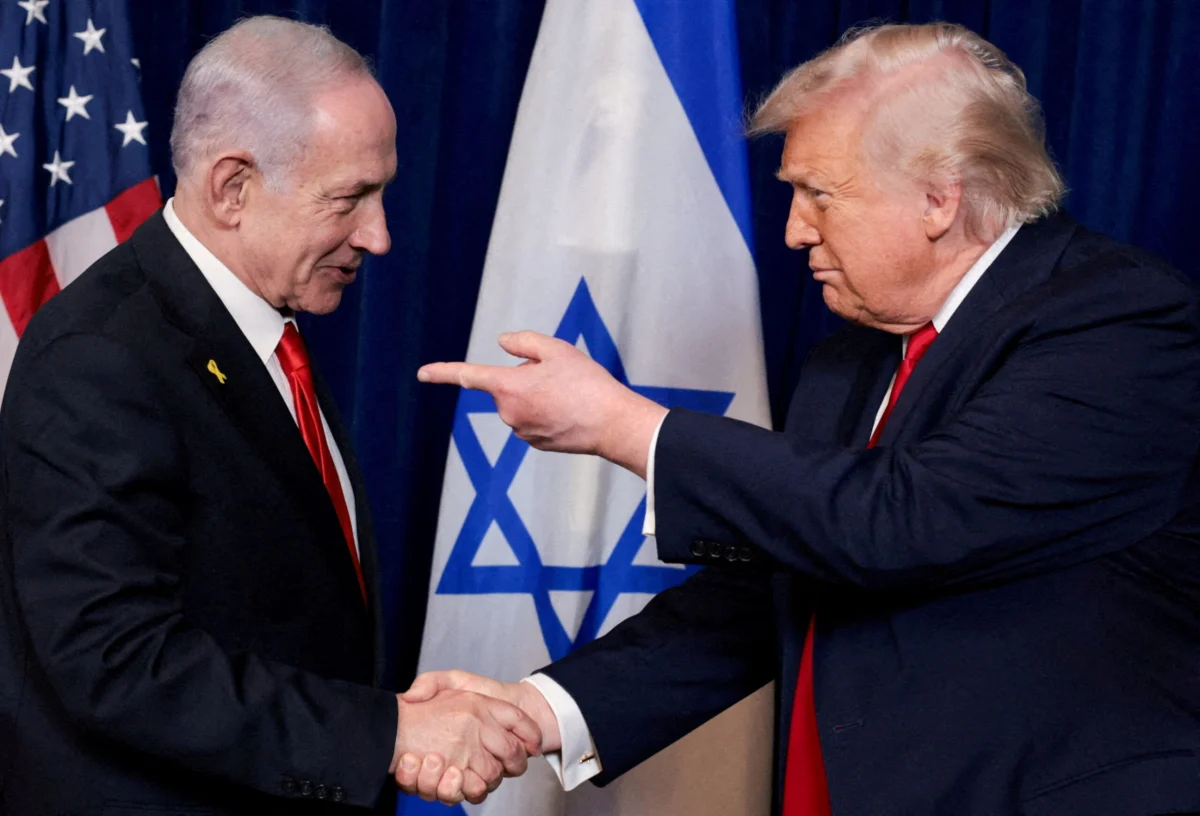
United States President Donald Trump has signaled that Israeli Prime Minister Benjamin Netanyahu may visit the White House as early as the upcoming week, marking a significant diplomatic engagement following the initiation of the US-Israeli conflict against Iran. The potential meeting, which Netanyahu reportedly requested, could occur shortly after President Trump’s return from the annual NATO summit scheduled for July 7th and 8th in Ankara, Turkiye. This anticipated visit, however, unfolds against a backdrop of publicly evident strains in the relationship between the two leaders, underscoring the intricate geopolitical landscape of the Middle East.
Evolving US-Israel Alliance Under Strain
The US and Israel have historically maintained a robust alliance, with the United States being the first nation to recognize the State of Israel in 1948. This enduring partnership has been characterized by substantial and sustained US foreign assistance, making Israel the largest cumulative recipient of such aid since the end of World War II. In 2016, a landmark memorandum pledged $38 billion in military aid to Israel over a decade, the largest package of its kind. This commitment has continued, with additional military assistance provided in recent years, even amidst the ongoing conflict in Gaza.
However, recent developments have introduced complexities into this long-standing relationship. Israel has reportedly opposed certain initiatives under the Trump administration aimed at negotiating a ceasefire with Iran. Concurrently, President Trump has openly voiced criticism of Prime Minister Netanyahu’s administration regarding Israel’s persistent military actions in Lebanon. These actions, in Trump’s view, pose a threat to the stability of any potential negotiated resolution with Iran, a point of contention that has demonstrably surfaced in public discourse.
In a candid interview with the news outlet Axios on Saturday, President Trump addressed speculation about any significant rupture between himself and Netanyahu. While asserting his own leadership role, he stated, "We get along very good. [Netanyahu] knows who the boss is." This remark, while seemingly downplaying discord, also serves to reinforce Trump’s perception of his own authority within the bilateral relationship.
The War Against Iran: A Shifting Landscape
The US, under President Trump’s second term, has been engaged in two significant military engagements against Iran: one commencing in June 2025 and another initiated on February 28th of the current year. The latter conflict, in particular, has drawn considerable international condemnation, with many labeling it an unprovoked act of aggression that potentially violates international law. Domestically, President Trump has also faced criticism for deploying US troops without explicit congressional approval.
Public opinion polls reflect a growing unease with the protracted conflict. A June 24th poll conducted by Quinnipiac University revealed that 60 percent of US voters considered the war against Iran "not worth it," with only 34 percent expressing approval. Furthermore, the same survey indicated that 48 percent of respondents believed the United States is overly supportive of Israel. These figures align with a noticeable dip in President Trump’s approval ratings, a potentially concerning indicator as his Republican Party prepares for the midterm elections in November, where control of Congress is at stake.
The Trump administration has consistently defended its involvement in the conflict by positing that its actions are crucial in preventing Iran from acquiring nuclear weapons, an objective that Tehran has consistently denied pursuing for military purposes, maintaining that its uranium enrichment program is solely for civilian energy needs.
Efforts Towards De-escalation and Lingering Instability
Despite the military engagements, there have been concerted efforts by the Trump administration and its officials to de-escalate the conflict. A two-week ceasefire deal was announced on April 8th and subsequently extended indefinitely. Further steps towards détente were taken on June 17th with the signing of a 14-point Memorandum of Understanding (MoU) between the US and Iran aimed at suspending hostilities. However, the implementation of this MoU has been described as inconsistent.
Since the approval of the memorandum, both the US and Iran have experienced exchanges of fire, particularly concerning the passage of commercial traffic through the Strait of Hormuz. Simultaneously, Israel has continued its military operations in southern Lebanon, an action perceived by some as a contravention of the spirit, if not the letter, of the de-escalation agreements.
President Trump has publicly expressed his frustration with Israel’s strikes in Lebanon, noting that these actions have prompted Iran to reiterate threats to close the Strait of Hormuz. In early June, Trump confirmed to the New York Post that he had characterized Netanyahu as "f***ing crazy" during a phone call, citing his persistent engagement in conflict with Lebanon. "I was a little bit perturbed at his constantly fighting with Lebanon," Trump told the Post at the time.
Despite these candid remarks and apparent disagreements, President Trump has emphasized that US policy towards Israel remains unchanged and reiterated his strong working relationship with Prime Minister Netanyahu. "We’ve worked very well together. I like Bibi a lot. And I work very well with him," he stated.
A Pattern of High-Level Engagement
Should Prime Minister Netanyahu indeed visit Washington D.C. this month, it would mark his seventh trip to the United States during President Trump’s second term in office. This frequency of visits underscores the intensely engaged, albeit sometimes contentious, diplomatic relationship between the two leaders. No other head of state has made as many official visits to the US since Trump’s return to the presidency in January 2025.
The most recent visit by Netanyahu occurred in February, immediately preceding the initial round of US-Israeli airstrikes against Iran in the current conflict. This temporal proximity highlights the interwoven nature of their strategic planning.
International Scrutiny and Unrecognized Authority
It is noteworthy that both Prime Minister Netanyahu and his former defense minister, Yoav Gallant, are subjects of arrest warrants issued by the International Criminal Court (ICC). Neither the United States nor Israel recognizes the authority of the ICC. This stance further complicates the international legal and political dimensions of the ongoing regional conflicts and the US-Israel alliance. The US administration, in particular, has renewed its pressure on the ICC, signaling its continued opposition to the court’s jurisdiction over its citizens or those of its allies.
The potential visit of Prime Minister Netanyahu to the White House, therefore, represents more than just a routine diplomatic exchange. It is an event framed by significant geopolitical developments, including an ongoing war with Iran, persistent regional instability, evolving public opinion in the United States, and the complex, often public, dynamics between President Trump and Prime Minister Netanyahu themselves. The outcomes of such discussions could have far-reaching implications for regional security, international relations, and the future trajectory of the US-Israel alliance. The world will be watching closely to see how these leaders navigate the delicate balance of cooperation and contention in the coming days.