Danny Garick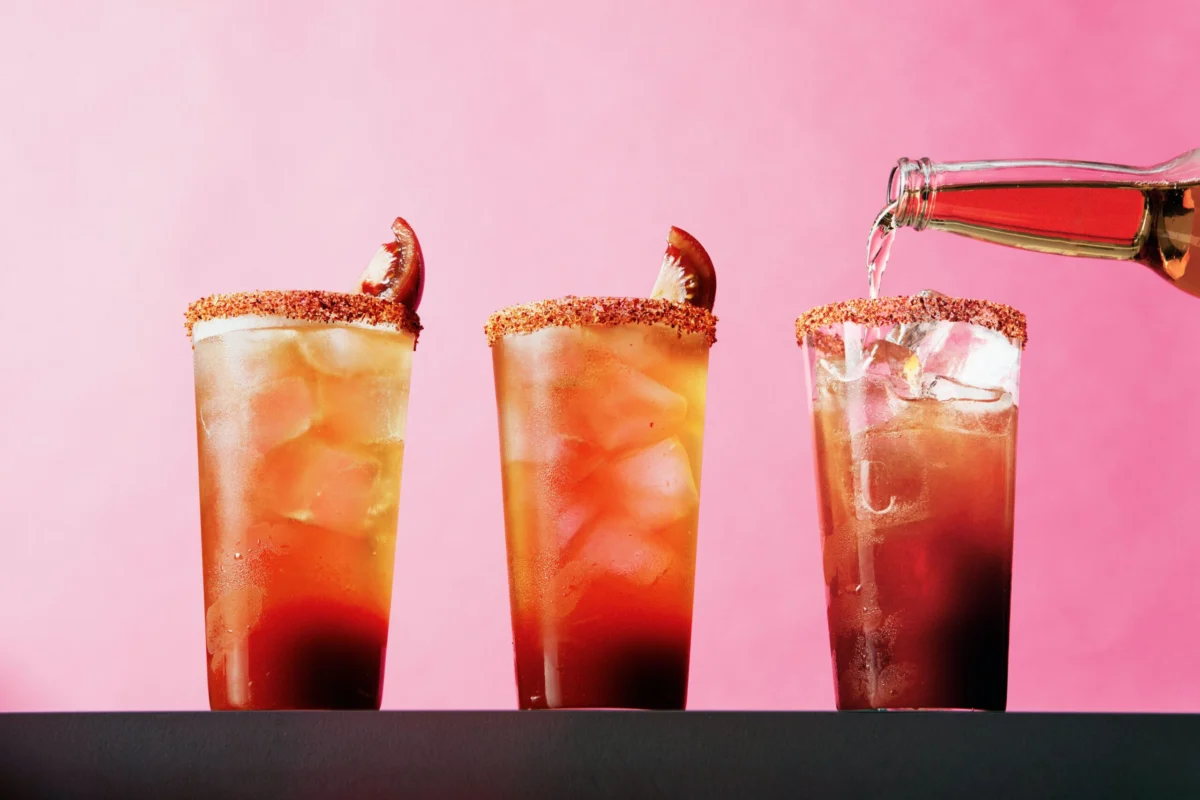
The michelada, a cornerstone of Mexican beverage culture and a prominent figure in the global "savory cocktail" movement, represents a complex intersection of history, regional identity, and culinary evolution. Often categorized as a "cerveza preparada" (prepared beer), the drink has transitioned from a localized custom in central Mexico to an internationally recognized staple of contemporary mixology. While its precise origins remain the subject of folklore, its impact on the beverage industry and its role in the globalization of Mexican flavors are quantifiable and significant. As consumer preferences shift toward savory, low-alcohol, and umami-forward drinks, the michelada continues to adapt, incorporating fresh, artisanal ingredients that elevate it from a casual hangover remedy to a sophisticated culinary experience.
The Historical Genesis of a Cultural Icon
The most widely accepted narrative regarding the birth of the michelada centers on the Club Deportivo Potosino in San Luis Potosí, Mexico. During the 1970s, a club member named Michel Ésper reportedly began a trend that would eventually redefine beer consumption in the region. According to local lore, Ésper would frequently request a "chabela," a beer served in a chilled glass and modified with lime juice, salt, and ice. As the popularity of this specific preparation grew among the club’s membership, others began requesting "Michel’s lemonade" or "Michel’s helada" (chilled drink).
Linguistic evolution suggests that the portmanteau "michelada" likely derived from the phrase "mi chela helada," where "chela" is a common Mexican slang term for beer. By combining "mi" (my), "chela" (beer), and "helada" (ice-cold), the name solidified in the Mexican vernacular. While other competing theories exist—including the suggestion that the name is simply a derivative of the English "chilled beer"—the San Luis Potosí connection remains the most culturally entrenched.
Throughout the 1980s and 1990s, the drink expanded beyond the borders of San Luis Potosí, migrating to Mexico City and eventually to the northern border states. During this period, the recipe began to diverge into two distinct categories: the "chelada," which typically consists only of beer, lime, and a salted rim; and the "michelada," which incorporates a more complex array of savory sauces and spices.
The Anatomy of Flavor: Ingredients and Variations
The modern michelada is defined by its versatility. While the base is almost exclusively a light-bodied Mexican lager—such as Corona, Modelo Especial, or Tecate—the "seasoning" aspect of the drink has become increasingly elaborate.
The Core Components
- The Acid: Fresh lime juice is non-negotiable, providing the bright acidity required to cut through the malt of the beer and the salt on the rim.
- The Salt: Beyond the aesthetic of a salted rim, salt acts as a flavor enhancer, suppressing the bitterness of the hops and accentuating the sweetness of the grain.
- The Savory Base: Modern iterations often rely on Clamato (a tomato and clam juice blend) or pure tomato juice. This addition provides a thick mouthfeel and a savory profile similar to a Bloody Mary.
- The Umami Agents: This category includes Worcestershire sauce (salsa inglesa), Maggi Seasoning (salsa Maggi), or soy sauce. These ingredients introduce fermented, salty, and savory notes that provide depth.
- The Heat: Hot sauces such as Cholula, Valentina, or Tapatío are used to provide a "jolt" of heat, which stimulates the palate and balances the cooling effect of the ice.
Regional and Modern Adaptations
In contemporary Mexico, "micheladas preparadas" can reach extreme levels of complexity. In Mexico City, it is common to find versions topped with "gomitas" (gummy candies), tamarind sticks, or even fresh seafood like shrimp and octopus. In the United States and Europe, the trend has shifted toward "farm-to-glass" preparations. This involves using fresh, seasonal summer tomatoes squeezed into juice rather than relying on processed concentrates. This artisanal approach aligns with the broader movement in the cocktail industry toward fresh, whole-food ingredients and transparency in sourcing.
Market Data and Economic Impact
The commercial significance of the michelada is reflected in the growth of the Mexican beer market and the peripheral industry of mixers and additives. According to market research data, Mexican beer exports have seen a consistent upward trajectory over the last decade. Mexico remains the world’s leading beer exporter, with the United States being its primary market.
In 2023, the value of Mexican beer exports exceeded $6 billion USD. A significant portion of this consumption is tied to the "prepared beer" segment. This has led to a surge in the Ready-to-Drink (RTD) market. Major beverage corporations, including Anheuser-Busch InBev and Constellation Brands, have launched pre-mixed michelada products (such as Bud Chelada or Modelo Chelada) to capitalize on the convenience factor for consumers.
Industry analysts note that the "savory cocktail" segment, which includes the Bloody Mary and the Michelada, has grown by approximately 12% in the on-premise sector (bars and restaurants) over the last five years. This growth is driven by a consumer demographic that is increasingly moving away from high-sugar cocktails in favor of drinks that offer complex, salt-forward profiles.
Professional Perspectives and Culinary Analysis
Culinary experts and mixologists view the michelada as a masterclass in flavor balancing. "The michelada is essentially a liquid representation of Mexican cuisine," states Carlos Mendoza, a Mexico City-based beverage consultant. "It hits every part of the palate: the saltiness on the rim, the acidity of the lime, the bitterness of the beer, the heat of the chili, and the umami from the sauces. It is a complete sensory experience."
From a technical standpoint, the choice of beer is critical. While craft IPAs or stouts are popular in other contexts, they are generally considered unsuitable for a michelada. The high hop content of an IPA can clash with the acidity of the lime, creating an unpleasantly metallic taste. Journalistic analysis of the beverage’s evolution suggests that the light, crisp nature of Mexican lagers—which have their roots in the Vienna lager style brought to Mexico by German immigrants in the 19th century—is the perfect "blank canvas" for the bold additives of a michelada.
Preparation and Best Practices for Large-Scale Service
As the michelada moves into the realm of high-volume hospitality, the method of preparation has shifted toward the use of concentrates. To ensure consistency and freshness, many establishments now prepare a "michelada base" or "mix" in large batches.
Batching Strategy
A professional-grade batch typically involves mixing the lime juice, Worcestershire sauce, hot sauce (such as Cholula), and tomato juice in a large, lidded pitcher. This base is kept refrigerated to maintain its bright flavors. When an order is placed, the seasoned base is poured over ice in a pint glass, followed by the beer. This method prevents the beer from becoming flat during the mixing process and ensures that the first sip is as vibrant as the last.
The use of fresh tomato juice is particularly emphasized during the summer months. By juicing ripe, seasonal tomatoes, bartenders can achieve a level of freshness that bottled Clamato cannot replicate. This "seasonal michelada" trend has become a hallmark of upscale brunch programs across North America.
Broader Cultural Implications and Global Reach
The michelada is more than a beverage; it is a symbol of Mexican "mestizaje" (cultural blending). It represents the adaptation of European brewing traditions to Mexican tastes. Its global spread serves as a form of cultural diplomacy, introducing international audiences to the specific flavor profiles—tangy, salty, and spicy—that define the Mexican culinary identity.
Furthermore, the drink has played a role in the "premiumization" of beer. By treating beer as a cocktail ingredient rather than just a standalone beverage, the michelada has encouraged consumers to view beer through a more sophisticated lens. This has implications for the hospitality industry, as prepared beer drinks often command a higher price point than a standard pour, increasing profit margins for retailers.
Future Outlook
As the beverage industry continues to evolve, the michelada is expected to maintain its relevance through further innovation. We are already seeing the emergence of "low-sodium" variations and "botanical" micheladas that incorporate fresh herbs like cilantro or basil. Additionally, the rise of non-alcoholic beers has allowed for the creation of "mocktail" micheladas, catering to the growing "sober-curious" demographic without sacrificing the complex flavor profile of the original drink.
In conclusion, the journey of the michelada from a 1970s social club in San Luis Potosí to its current status as a global icon is a testament to the power of regional innovation. Whether served in a plastic cup at a street market or in a chilled glass at a Michelin-starred restaurant, the michelada remains a vital, evolving part of the global gastronomic landscape, proving that the simplest ideas—beer, lime, and salt—can often have the most profound impact.