Ana Megawati
The clink of ice in a tall glass, the gentle fizz of bubbles, and the sun-kissed hue of a Lillet spritz have become an increasingly common sight in bars and restaurants worldwide. Once a discreet French classic, Lillet, an aromatised wine with a rich history, is experiencing a remarkable global renaissance, transforming from a connoisseur’s secret to a mainstream summer staple. This revival is not merely a fleeting trend but the culmination of strategic brand revitalisation, evolving consumer tastes, and a carefully cultivated image that blends heritage with modern appeal. From the bustling streets of London’s Soho to chic Parisian cafes and beyond, Lillet’s golden glow is illuminating menus, signalling a significant shift in the aperitif landscape.

Lillet’s Ascendant Trajectory and Market Momentum
Lillet’s current trajectory is nothing short of meteoric. In the United Kingdom, its presence has notably expanded, becoming a featured item on spritz menus at major pub chains like Greene King and Young’s for a second consecutive summer. Its inherent French charm also makes it a natural fit for Gallic-inspired establishments such as Côte Brasserie, Café Rouge, Boulebar, and Baranis, where patrons can even indulge in a game of pétanque while savouring their drinks. The appeal, however, transcends national borders. Lillet is now a fixture in diverse international markets, from the vibrant Wolf food market in Brussels to the sophisticated Bar Bridge in Sydney, underscoring its broad and growing acceptance.
The most compelling evidence of its burgeoning popularity lies in its sales figures. Global sales of Lillet have witnessed an astounding surge, escalating from a modest 70,000 cases in 2008 to an impressive 1.3 million cases by 2024. This seventeen-fold increase in just over a decade and a half positions Lillet as a significant player in the speciality spirits sector and a key growth driver for its parent company, Pernod Ricard. This dramatic expansion highlights not only a successful marketing strategy but also a deep resonance with contemporary drinkers seeking lighter, more refreshing, and flavourful alternatives to traditional spirits. The aperitif, once a niche offering, is firmly establishing itself as a global beverage phenomenon, indicative of a broader industry shift towards lower-ABV options and sophisticated, fruit-forward profiles.

Understanding Lillet: An Aromatised Wine with Distinct Character
To truly appreciate Lillet’s unique position, one must understand its classification as an "aromatised wine." This category, predominantly rooted in French and Italian winemaking traditions, denotes a drink comprising at least 75% wine, artfully infused with a blend of herbs, spices, fruits, and sweeteners. The alcohol by volume (ABV) typically ranges between 14.5% and 22%, with Lillet sitting comfortably at 17%. While vermouth remains the most widely recognised aromatised wine, Lillet distinguishes itself with a markedly different flavour profile. Where vermouths are typically defined by their assertive herbal and often bitter notes, Lillet offers a brighter, more fruit-forward, and floral character. This distinctive taste is achieved through the careful maceration and infusion of liqueurs derived from the fruit and peel of various sweet, bitter, and green oranges, lending it a vibrant citrus complexity that sets it apart. This nuanced flavour profile makes Lillet exceptionally versatile, equally delightful on its own, over ice, or as a key component in a myriad of cocktails.
A Storied Past: From Medicinal Tonic to Modern Icon
The genesis of Lillet dates back to 1872 in the picturesque village of Podensac, nestled in the heart of Bordeaux, France. It was here that brothers Raymond and Paul Lillet, driven by a vision to create a unique aperitif, founded their eponymous company. Their initial creation, Kina Lillet, launched in 1887, was conceived not just as a beverage but also as a medicinal tonic wine. This was an era when quinine, a powerful alkaloid known for its fever-fighting properties, particularly against malaria, was highly valued. The inclusion of "Kina" in its name explicitly referenced quinine, positioning the drink as a healthful, fortifying elixir. This dual identity as both a pleasurable drink and a beneficial tonic contributed to its early popularity, especially among the French colonial population and travellers in tropical regions where malaria was prevalent.
However, tastes evolve, and by the 1970s, the medicinal connotation of "Kina" began to feel anachronistic. In a strategic move to modernise its appeal, the "Kina" prefix was dropped. Further significant reformulation occurred in 1985, leading to what we now recognise as Lillet Blanc. This revision saw a reduction in both sugar and quinine levels, catering to a contemporary palate that favoured lighter, less bitter, and more fruit-driven profiles. Lillet Blanc is meticulously crafted from 85% Semillon and Sauvignon Blanc wines, blended with 15% fruit liqueur, and subsequently aged in oak casks. Esteemed beverage guide, Difford’s Guide, penned by Simon Difford for "discerning drinkers," praises its nuanced symphony of flavours, describing notes of "honey and candied orange peel, dandelions, mango and passionfruit… While the palate is slightly sweet, the finish is refreshingly dry." This intricate balance of sweetness and dryness, coupled with its aromatic complexity, defines Lillet Blanc’s enduring appeal.
The Lillet portfolio expanded further with the introduction of Lillet Rouge in 1962. Conceived by Raymond’s grandson, Pierre Lillet, this variant was specifically targeted at the American market, where red wine consumption was significantly higher. Based on Cabernet Sauvignon and Merlot grapes, Lillet Rouge offered a richer, deeper profile. Difford’s Guide describes it as possessing "beautiful dry rich grape fruitiness, with subtle black pepper spice adding frisson," making it a sophisticated choice for those preferring a more robust aperitif or a base for deeper cocktails.
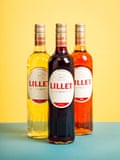
The most recent addition to the core range, Lillet Rosé, debuted in 2011. This "Instagram-friendly" pink version, crafted from a blend of Semillon, Sauvignon Blanc, and Muscat