Nila Kartika Wati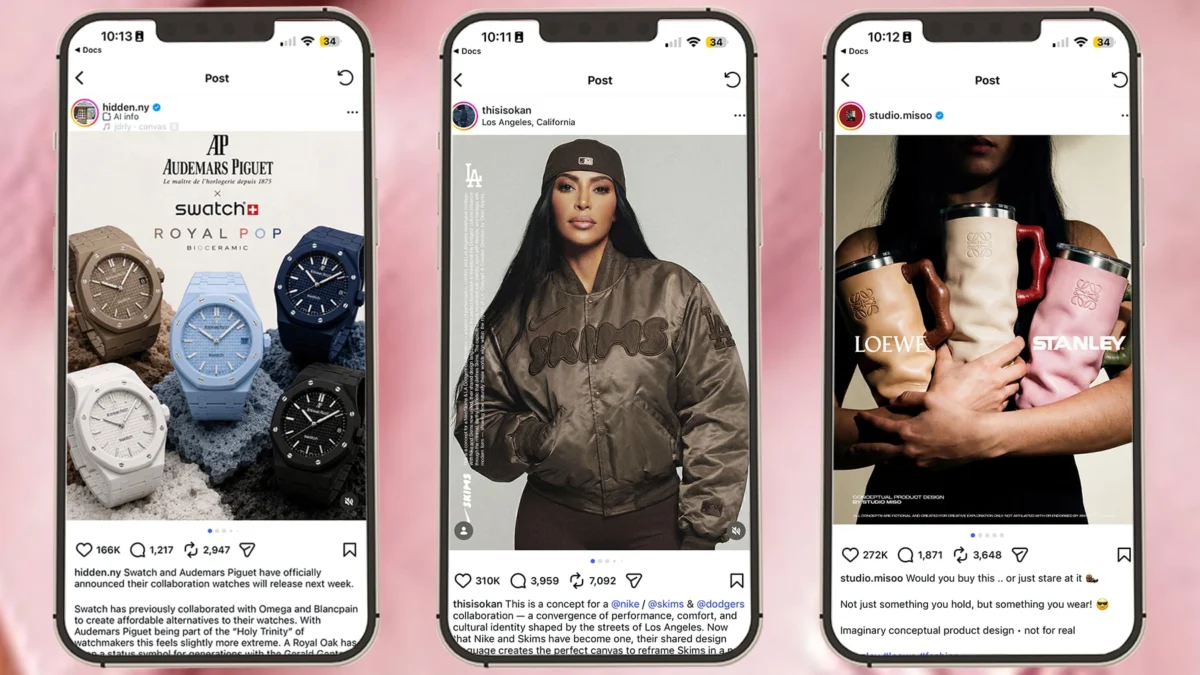
The burgeoning power of artificial intelligence has democratized the creation and dissemination of aspirational brand narratives, allowing a new wave of digital creators to envision and circulate hypothetical product releases and collaborations. These AI-generated mock-ups, often stunning in their visual fidelity and conceptual audacity, have become a potent force in building anticipation and generating buzz across social media platforms. However, this digital wildfire of imagined products is increasingly leading to a disconnect with consumers, fostering confusion and ultimately, disappointment when the reality of official brand releases fails to align with the meticulously crafted, AI-powered fantasies. The recent fervor surrounding AI-generated dream collaborations, exemplified by the intense speculation following Swatch’s announcement of a partnership with Audemars Piguet, highlights a critical challenge for brands navigating the new landscape of digital creativity and consumer expectation.
The Rise of AI-Fueled Brand Fantasies
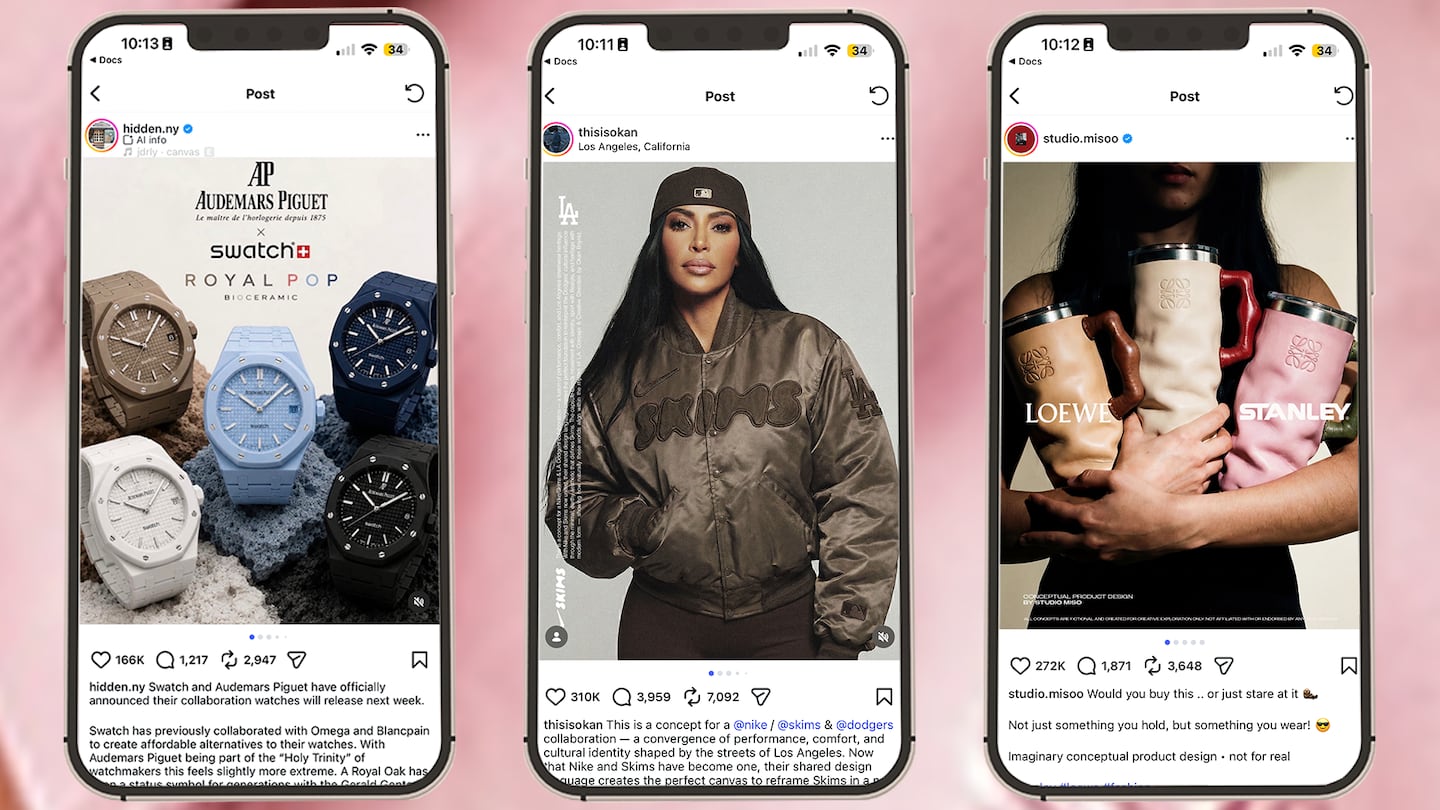
In recent months, platforms like Instagram and X (formerly Twitter) have been inundated with visually compelling images depicting hypothetical product lines and collaborations that never officially existed. These creations, born from sophisticated AI image generation tools, often blend the aesthetics and heritage of established brands in unexpected and captivating ways. Users input prompts describing desired partnerships – for instance, "Nike x Tiffany & Co. Air Force 1s" or "Dior x LEGO sneakers" – and AI algorithms produce photorealistic renderings that appear to be legitimate product announcements.
The appeal of these AI-generated mock-ups is multi-faceted. For creators, they offer a low-barrier entry point into the world of speculative design and brand commentary, allowing them to express their creativity and engage with their audiences in innovative ways. For consumers, these images tap into a deep well of brand loyalty and a desire for exclusive or unexpected product pairings. They spark conversations, fuel wish lists, and generate significant engagement, effectively acting as organic, albeit unsolicited, marketing campaigns. Data from social media analytics firms indicates a substantial increase in user-generated content featuring AI-generated product concepts, with engagement metrics often surpassing those of organic brand posts. For example, a study by Brandwatch in late 2023 revealed that posts featuring AI-generated fashion concepts received, on average, 30% higher engagement rates than user-generated content of actual products.
The Swatch x Audemars Piguet Phenomenon: A Case Study
The tension between AI-generated fantasy and consumer expectation reached a fever pitch with the recent buzz surrounding a potential collaboration between Swatch and Audemars Piguet. While no official partnership had been announced by either brand, AI-generated images depicting a hypothetical fusion of Swatch’s accessible, playful designs with Audemars Piguet’s ultra-luxury horology began circulating widely. These mock-ups envisioned iconic Swatch models reimagined with the intricate detailing, premium materials, and sophisticated engineering synonymous with Audemars Piguet’s high-end timepieces.
The digital groundswell was significant. Social media feeds became flooded with these speculative designs, igniting fervent discussions among watch enthusiasts and fashion aficionados alike. Hashtags related to the supposed collaboration trended globally, with many users expressing their eagerness and desire for such a product to become a reality. Some online forums dedicated to horology saw heated debates about the feasibility and desirability of such a partnership, with users meticulously dissecting the AI-generated visuals for clues of authenticity. This period of intense anticipation, fueled entirely by AI, saw consumers actively investing emotional and intellectual capital into a product that was, at best, a digital phantom.
The Disappointment When Reality Bites
The excitement, however, took a sharp turn when Swatch officially announced its actual collaboration with Audemars Piguet. While the real partnership, which resulted in the "Royal Oak Concept Split-Seconds Chronograph GMT" Swatch, was a notable event in the watchmaking world, the product itself did not align with the visually elaborate and often more radical designs that had been circulating online. The official release, while a significant horological achievement, lacked the extravagant, almost fantastical, elements that the AI-generated mock-ups had so vividly portrayed.
This discrepancy led to a palpable sense of disappointment among a segment of the consumer base. Many who had followed the AI-generated hype, and had perhaps even queued or prepared for a release that mirrored their digital dreams, found themselves underwhelmed by the actual offering. Online comments sections and social media threads quickly filled with expressions of disillusionment. Phrases like "not what I expected," "AI designs were better," and "this is not the dream collaboration we were shown" became common. This reaction underscores a critical challenge: the AI-generated imagery had not just built anticipation; it had, for many, set an unrealistic benchmark for what the collaboration would entail.
Implications for Brands and Consumers
The AI-generated hype machine presents a complex set of challenges and opportunities for the fashion and luxury industries.
For Brands: Navigating the Algorithmic Hype
- Managing Expectations: The primary challenge for brands is to manage consumer expectations in an era where AI can generate seemingly realistic product visions. Brands need to be mindful of the digital conversations surrounding their products and be prepared to address the gap between AI-generated fantasies and their actual product roadmaps.
- Leveraging AI Creatively: Instead of viewing AI solely as a disruptor, brands can explore its potential as a tool for internal ideation, market research, and even controlled consumer engagement. For instance, some brands might begin to cautiously release AI-generated concepts as a way to gauge consumer interest in specific design directions before committing to physical production.
- Transparency and Communication: Clear and timely communication is paramount. Brands need to be proactive in clarifying what is real and what is not, especially when AI-generated content gains significant traction. This might involve actively debunking false rumors or, conversely, subtly acknowledging and engaging with popular AI-generated concepts to steer conversations in a desired direction.
- Intellectual Property and Brand Dilution: The proliferation of AI-generated content also raises concerns about intellectual property. While AI-generated designs themselves may not be copyrightable in the same way as human creations, the unauthorized use of brand logos and distinctive design elements in these mock-ups can lead to brand dilution and confusion. Brands may need to develop new strategies for monitoring and addressing such infringements.
For Consumers: Discerning Reality from Digital Dreams
- Critical Consumption: Consumers are increasingly tasked with exercising critical judgment when encountering product visions online. The visual realism of AI-generated content demands a higher level of scrutiny, encouraging consumers to verify information through official brand channels before forming strong expectations.
- Understanding the Tools: A greater understanding of how AI image generation works can help consumers appreciate the imaginative potential of these tools while also recognizing their limitations and the speculative nature of their outputs.
- Focus on Authenticity: The experience may also lead consumers to place a higher value on authentic brand storytelling and the tangible aspects of product design and craftsmanship, which AI can mimic but not replicate in terms of genuine heritage and material integrity.
The Evolving Landscape of Brand Engagement
The Swatch x Audemars Piguet scenario is not an isolated incident but rather an early indicator of a broader trend. As AI technology becomes more sophisticated and accessible, the creation of hyper-realistic, speculative brand content will only accelerate. This will undoubtedly continue to shape consumer perceptions, influence purchasing decisions, and present a dynamic new frontier for brand-consumer interaction.
The fashion industry, known for its rapid adoption of new technologies and its keen eye for emerging trends, is particularly susceptible to this phenomenon. The ability of AI to rapidly generate visually stunning and conceptually appealing content means that brands can no longer afford to ignore the digital whispers and shouts that echo across social media. Moving forward, success in this new era will likely hinge on a brand’s ability to skillfully navigate the currents of AI-generated hype, leveraging its creative potential while diligently managing consumer expectations and fostering genuine connections based on authentic products and transparent communication. The challenge lies not in stopping the tide of AI creativity, but in learning to surf it with intelligence and integrity.