Layla Zulfa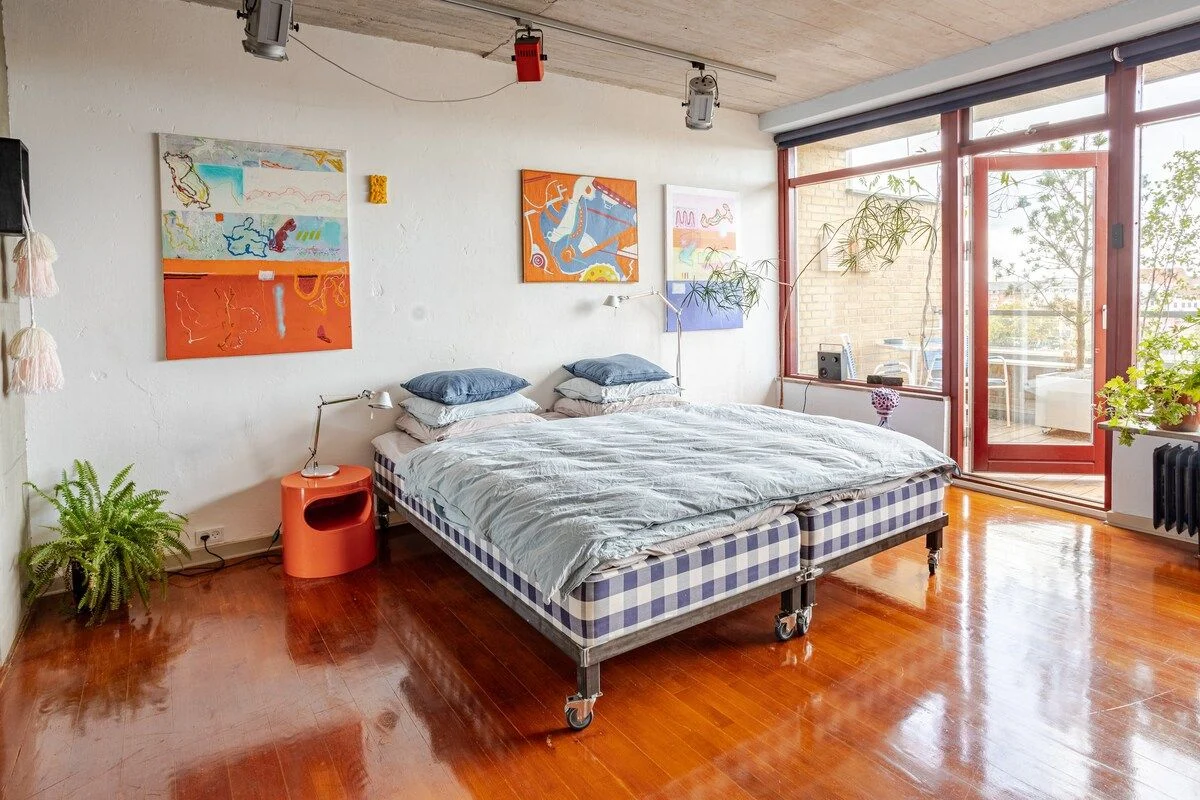
Copenhagen has solidified its global standing not merely as a capital city but as a living museum of functionalism, sustainability, and aesthetic rigor. As the city continues to draw international acclaim—bolstered by its recent tenure as the UNESCO World Capital of Architecture—the demand for accommodations that reflect its storied design heritage has reached an all-time high. Travelers are increasingly bypassing traditional hotel corridors in favor of short-term rentals that offer a direct immersion into the Danish lifestyle. This shift is driven by a desire to experience "hygge"—the celebrated Danish concept of cozy contentment—within the authentic architectural framework of the city’s diverse neighborhoods. From the aristocratic grandeur of Indre By to the avant-garde spirit of Nørrebro, the current landscape of Copenhagen’s high-end rentals illustrates a sophisticated marriage between historic preservation and contemporary innovation.
The Macroeconomic Context of Danish Tourism and Design
The allure of Copenhagen is inextricably linked to its design economy. According to data from the Danish Ministry of Industry, Business, and Financial Affairs, the creative industries, including furniture and interior design, contribute significantly to the national GDP, with furniture exports alone often exceeding 15 billion DKK annually. This economic powerhouse is celebrated annually during "3daysofdesign," a premier district-spanning event where the city’s showrooms, galleries, and private residences open their doors to showcase the latest in Nordic innovation.
Tourism statistics from Wonderful Copenhagen, the region’s official tourism organization, indicate a steady recovery and growth in international arrivals, with a notable increase in "lifestyle travelers" who prioritize cultural authenticity and aesthetic value. This demographic has fueled the rise of curated short-term rentals, which now compete directly with luxury boutique hotels by offering bespoke interiors featuring brands such as HAY, Fritz Hansen, and Louis Poulsen.
The Evolution of the Apart-Hotel: Aperon and Venders
A significant trend in the Copenhagen hospitality sector is the "hybrid living" model, which blends the professional services of a hotel with the autonomy of a private apartment. The Aperon Apartment Hotel and Venders Apartment Hotel are primary examples of this evolution. Located in the historic heart of the city, these establishments repurpose 19th-century buildings to meet 21st-century needs.
Aperon, situated in a structure dating back to the 1800s, utilizes a 24/7 digital reception model. This reflects a broader shift toward tech-integrated hospitality in Scandinavia. Architecturally, the property is noted for its use of "lemon meringue" palettes and glass-walled partitions, a design choice intended to maximize the "Golden Hour" light characteristic of Northern latitudes. Similarly, Venders, located near the Nørreport transport hub, showcases the revitalization of historic spaces through the use of vibrant Bruno Rey chairs and architectural metalwork. These properties cater to the modern professional and the design-conscious family, providing a "turnkey" version of the Danish domestic experience.
Neighborhood Analysis: Nørrebro and the Green Urban Movement
Nørrebro, once a predominantly working-class district, has transformed into one of the world’s most acclaimed multicultural neighborhoods. Its appeal lies in its rejection of homogeneity. Accommodations like the "Green Oasis in Nørrebro" highlight the neighborhood’s commitment to light and space. Utilizing skylights and exposed beams, these rentals mirror the urban planning seen in the nearby Superkilen park—a space designed to celebrate global diversity through landscape architecture.
The emphasis on outdoor living, even in dense urban environments, is a hallmark of Danish design. Rentals in this area frequently feature multiple terraces and proximity to communal green spaces, reflecting the city’s goal to become the world’s first carbon-neutral capital. The integration of family-friendly amenities, such as high chairs and proximity to public playgrounds, underscores the Danish social contract, which prioritizes work-life balance and communal well-being.
The Aristocratic Legacy of Indre By
For those seeking a more classical interpretation of Danish luxury, the Indre By (Inner City) district offers a direct link to the Danish Golden Age. The neighborhood is characterized by its proximity to the Amalienborg Palace and the Nyhavn harbor. Two notable properties—the Royal and Luxurious Home and the Historic Home in Indre Bay—exemplify the preservation of 18th-century aristocratic living.
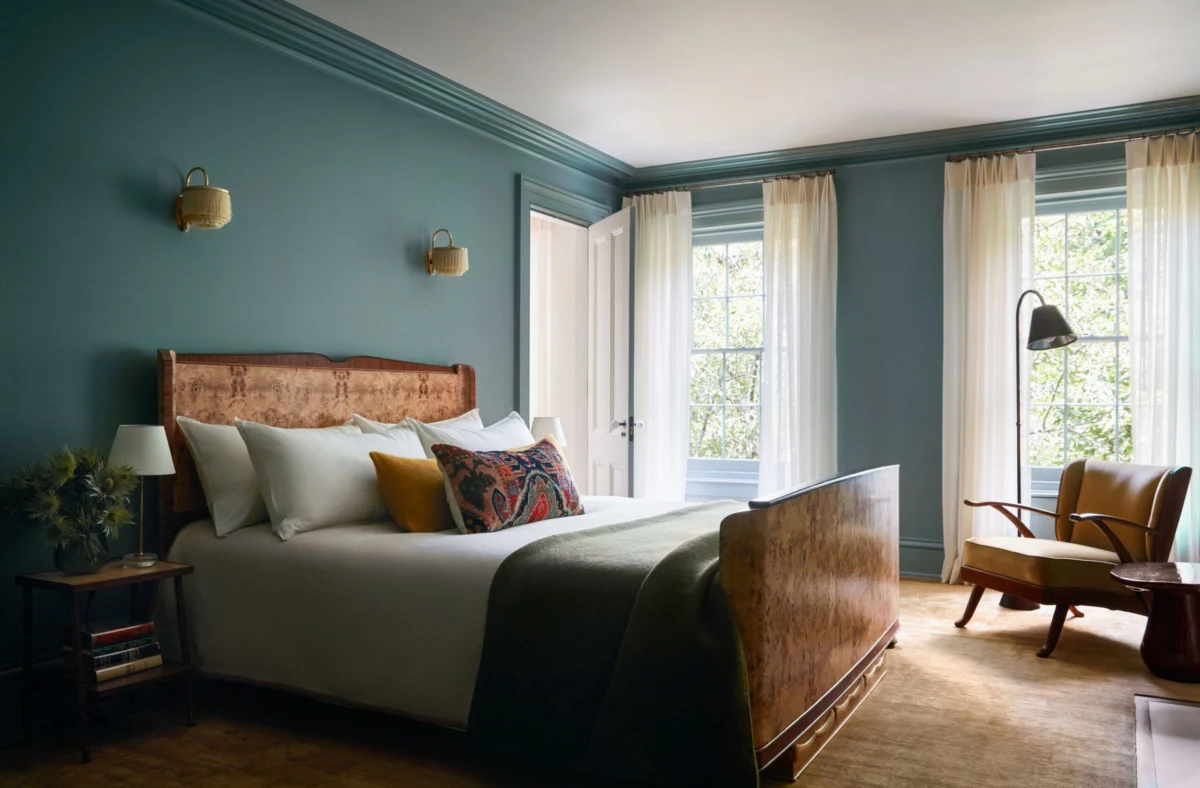
The Historic Home, built in 1757, is structurally connected to the Yellow Palace (Det Gule Palæ). This building is of immense historical significance, as it served as the first home of the Glücksburg dynasty. The interior design of these rentals often features jewel-toned walls, crystal chandeliers, and intricate moldings, providing a stark but complementary contrast to the minimalist "Scandi-chic" found elsewhere. The presence of fireplaces and velvet upholstery in these spaces serves as a functional application of hygge, designed to provide warmth and comfort during the long Danish winters.
Frederiksberg: The Independent Enclave
Frederiksberg, though surrounded by Copenhagen, remains an independent municipality with a distinct identity characterized by its wide boulevards and the sprawling Frederiksberg Gardens. The "Hidden Gem in Frederiksberg" and the "Luxurious and Cozy Apartment" in this area represent the "city within a city" ethos.
A unique aspect of Frederiksberg is its "Garden Associations" (Haveforening). The cottage-style rentals within these associations offer a rare opportunity for travelers to experience the Danish tradition of the "allotment garden." These spaces often include art studios and woodworking shops, nodding to the craftsmanship of designers like Børge Mogensen and Hans Wegner. This neighborhood caters to a demographic that values quietude and green space without sacrificing proximity to the city’s culinary scene, including Michelin-starred establishments and traditional smørrebrød delis.
Amagerbro and the Modern Residential Frontier
Amagerbro represents the bridge between the historic center and the modern developments of Amager Strand. Accommodations here, such as the "Cozy Atmosphere in Amagerbro," often feature a more eclectic, "lived-in" aesthetic. By combining contemporary white cabinetry with butcher-block countertops and exposed brick, these spaces illustrate the practical, democratic nature of Danish design—where beauty is intended for everyday use rather than mere display. This area is increasingly popular among younger travelers and digital nomads who utilize the city’s extensive cycling infrastructure to commute into the center.
Art as an Amenity: The Nordvaerk Partnership
A burgeoning trend in the high-end rental market is the integration of fine art as a core component of the guest experience. The "Art & Design Flat" overlooking the lakes illustrates this through its partnership with the local gallery Nordvaerk. By featuring a rotating collection of works by emerging Danish artists, the rental functions as a private gallery. This model benefits the local creative economy by providing artists with exposure to international collectors while offering guests a unique, non-commercial environment. The inclusion of high-performance items, such as Hästens mattresses, further blurs the line between a residential rental and a high-end showroom.
Implications for the Future of Urban Travel
The proliferation of these design-centric rentals in Copenhagen has several implications for the future of urban tourism:
- Preservation through Use: By repurposing 18th and 19th-century buildings for high-end tourism, the city ensures the financial viability of historic preservation.
- Dispersal of Tourism: The appeal of unique rentals in neighborhoods like Amagerbro and Frederiksberg helps distribute tourist foot traffic away from the saturated Nyhavn area, promoting a more sustainable urban ecosystem.
- Brand Denmark: These accommodations act as an extension of the Danish export market. Guests who experience Danish furniture and lighting in a domestic setting are more likely to become long-term consumers of these brands.
Conclusion
Copenhagen’s short-term rental market has evolved into a sophisticated extension of the city’s design identity. Whether through the minimalist efficiency of an apart-hotel or the regal splendor of a palace-adjacent flat, these accommodations offer more than just a place to stay; they provide a tactile education in the Danish way of life. As the city continues to innovate in the realms of sustainability and architecture, its hospitality sector remains a crucial touchpoint for experiencing the enduring legacy of Danish design. The synergy between the city’s historic bones and its modern, functional heart ensures that Copenhagen remains a primary destination for those who view travel as an aesthetic and cultural pursuit.