Reynand Wu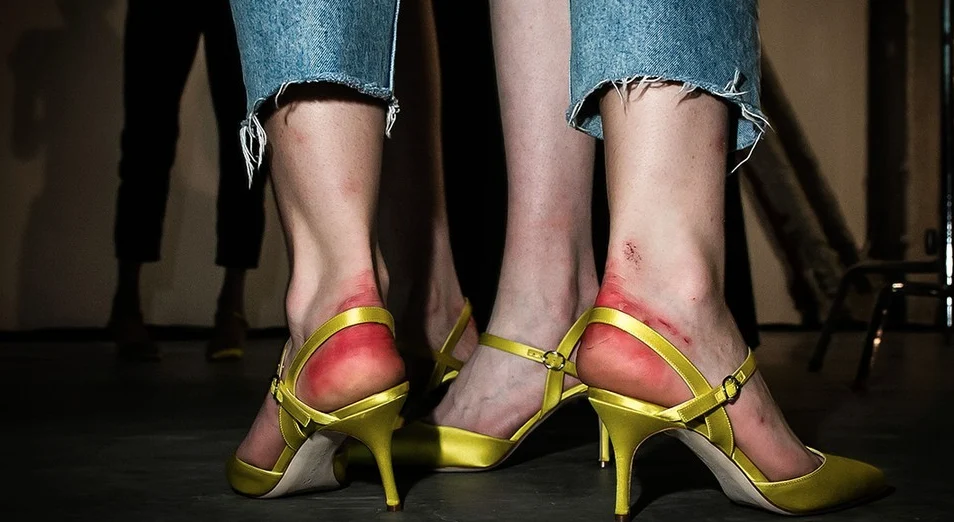
A recent photograph by Dina Litovsky, circulating widely across social media platforms including Instagram where it garnered over 500,000 likes and countless comments, depicted a model’s visibly inflamed feet squeezed into slingback heels during a high-profile fashion event. The image, subsequently reposted by influential accounts and even National Geographic, reignited a critical debate within the fashion industry and among the public regarding the persistent prioritization of aesthetics over the physical well-being of models. This is not an isolated incident; similar photos from Louis Vuitton’s 2012 Paris show, showcasing models’ battered and bruised feet, similarly provoked widespread concern and discussion at the time, underscoring a systemic issue that continues to plague the glamorous facade of high fashion.
The Catalyst: Viral Images and Public Outcry
Litovsky’s striking photograph, which gained rapid traction in September 2023, offered a stark, unvarnished look behind the scenes of what is typically presented as flawless perfection. The raw vulnerability of the model’s feet, red and swollen from the demands of elaborate footwear, resonated deeply with an audience increasingly sensitive to issues of labor rights and corporate responsibility. Public reaction was swift and largely condemnatory, with many social media users criticizing the perceived exploitation inherent in demanding such physical discomfort for the sake of a fleeting runway moment. Comments frequently highlighted the "beauty is pain" adage, questioning its ethical implications in a modern context.
The virality of such images serves as a powerful testament to the public’s evolving expectations of transparency and accountability from industries, particularly those as influential as fashion. While the industry often cultivates an aura of exclusivity and unattainable ideals, these candid photographs puncture that illusion, revealing the human cost embedded within its creative processes. The incident echoes past controversies, such as the aforementioned Louis Vuitton show, where the reality of models’ physical toll became impossible to ignore. These recurring visual critiques force a re-evaluation of long-held industry practices and challenge the notion that artistic expression must come at the expense of human comfort and dignity.
A History of Discomfort: The Evolution of Fashion’s Demands
The concept of fashion dictating physical discomfort is far from new. Throughout history, various cultures have embraced garments and accessories that, while aesthetically pleasing or symbolically significant, imposed considerable physical strain. From the restrictive corsets of the Victorian era, which reshaped the female silhouette to potentially damaging degrees, to the practice of foot binding in Imperial China, where feet were deliberately deformed to fit a specific beauty ideal, the human body has frequently been molded, constrained, and even injured in pursuit of prevailing fashion standards. High heels themselves have a complex history, evolving from practical riding shoes for men in the 10th century to symbols of status and femininity, often at the cost of ergonomic design.
In the modern fashion industry, this legacy manifests in extreme footwear, elaborate costumes, and demanding show schedules. Fashion weeks, global spectacles held in major cities like Paris, Milan, New York, and London, are high-pressure environments where designers showcase collections that can define trends for the coming season. The stakes are immense, both creatively and financially. Brands invest millions in these presentations, and every element, from the garments to the models’ walk, is meticulously orchestrated. In this high-octane environment, the emphasis on achieving a specific "look" or "artistic vision" often overshadows practical considerations for the models who bring these visions to life. The pressure to innovate and create memorable, often avant-garde, designs can lead to shoes that are sculptural masterpieces but physical torture devices.
The Model’s Dilemma: Professionalism vs. Well-being
Models occupy a unique and often precarious position within this ecosystem. They are simultaneously the canvas for a designer’s vision and "aesthetic laborers" whose bodies are commodified. While some supermodels with significant industry clout, such as Naomi Campbell, have famously refused to wear unwearable shoes – and even fallen on the runway as a result, highlighting the inherent danger – lesser-known models or those early in their careers face immense pressure to comply. Refusal can be perceived as unprofessional, jeopardizing future bookings and their standing in a highly competitive industry. The industry often implicitly or explicitly praises models for their endurance, their ability to maintain composure through long shoots, contorted poses, and, crucially, significant physical discomfort.
Sociologist Ashley Mears, in her ethnography Pricing Beauty, sheds light on how these industry ideals become prescriptive, shaping cultural expectations of appearance and behavior. Models are expected to embody cultural ideals of gender, race, class, and sexual identity, while their personhood is simultaneously reduced to a marketable commodity. This dynamic fosters a toxic environment where professionalism is measured by one’s willingness to endure pain. The pervasive rhetoric of "beauty is pain" and "look good, feel good" subtly links appearance to inherent value and capability, creating a powerful incentive for models to push past their physical limits. The power imbalance between models, particularly those with lower status, and the powerful fashion houses or agencies, significantly skews their agency, compelling them to pay a literal price in pain to uphold a desired professional image.
Industry Responses and Calls for Change
Historically, the fashion industry has been slow to address concerns about model well-being, often citing artistic freedom or competitive pressures. However, the increasing visibility of these issues, amplified by social media, has prompted some limited responses. Organizations like the Model Alliance, founded in 2012, have been vocal advocates for improved working conditions, including reasonable hours, fair compensation, and health and safety standards. Their campaigns have pushed for legislation and industry-wide codes of conduct to protect models from exploitation, including the expectation of wearing overtly painful footwear.
While no major fashion house has issued a direct public statement in response to Litovsky’s specific photo, the collective pressure from such viral moments often contributes to broader, albeit slow, shifts. Industry bodies, such as the Council of Fashion Designers of America (CFDA) and the British Fashion Council (BFC), have, in the past, released guidelines related to model health and age, though these often focus more on body image and eating disorders than on specific physical discomforts like footwear. When pressed on such matters, designers and brand representatives often issue carefully worded statements emphasizing their commitment to model well-being while simultaneously defending their creative vision. These statements frequently aim to strike a balance between acknowledging concerns and preserving the artistic integrity that is central to their brand identity. The challenge lies in translating these verbal commitments into tangible, enforceable changes on the ground, ensuring that models are genuinely empowered to prioritize their health without fear of professional repercussions.
The Broader Societal Mirror: From Runway to Reality
The struggles witnessed on the runway extend far beyond the exclusive world of high fashion, permeating everyday consumer culture. The aspirational ideals presented by models, often enduring significant discomfort, trickle down to influence how ordinary individuals perceive and pursue beauty. Jia Tolentino, in her essay "Always Be Optimizing," brilliantly connects this phenomenon to the broader cultural obsession with "self-optimization." She argues that contemporary gendered beauty ideals have morphed into a relentless pursuit of physical perfection, often disguised as "self-care" or "wellness." Intense workout regimens like Pilates and barre, which promise sculpted bodies, often involve significant pain and discomfort, framed as necessary steps towards an optimized self.
This cultural narrative creates an illusion of "agency," where individuals believe they are actively choosing to improve themselves, when in reality, they are often conforming to oppressive cultural beauty standards. The lures of "look good, feel good" and the ingrained belief that "beauty is pain" justify the aches and pains from strenuous workouts, restrictive diets, and, indeed, uncomfortable footwear. Shoes, in this context, transcend their functional purpose. They become potent symbols, vehicles not just for our feet, but for the weight of gendered cultural and societal expectations, standards, and ideals that are often lauded, despite their inherent costs. The public’s fascination with and emulation of these standards drive a multi-billion dollar beauty and wellness industry, demonstrating the profound economic and psychological impact of these deeply embedded ideals.
Economic and Ethical Implications
The global fashion industry is a colossal economic force, valued at over $2.5 trillion annually. Within this vast market, high fashion plays a crucial role in setting trends, driving desire, and maintaining brand prestige. The creation of visually striking, even impractical, garments and accessories is often seen as an investment in a brand’s image and cultural capital. Designers are under immense pressure to create "viral" moments and generate buzz, which can directly translate into sales, both for haute couture and for more accessible diffusion lines. This economic imperative can unfortunately create a system where the well-being of individual models becomes a secondary concern to the overarching spectacle and commercial success.
Ethically, the situation raises significant questions about labor practices, consent, and the responsibility of influential industries. While models are technically independent contractors, the power dynamics often leave them vulnerable. The industry has a moral obligation to ensure safe working conditions and to foster an environment where models can voice concerns without fear of reprisal. Furthermore, by perpetuating the "beauty is pain" narrative, the fashion industry contributes to a broader societal issue of unrealistic body image expectations and the normalization of discomfort in the pursuit of aesthetic ideals. This has profound implications for mental health, self-esteem, and the overall well-being of consumers, particularly young people, who are constantly bombarded with idealized, and often unattainable, images.
Moving Forward: Towards Sustainable Beauty Standards
The recurring viral images of models’ suffering feet serve as urgent reminders that the fashion industry, despite its allure and artistic merit, must evolve. There is a growing demand from both within and outside the industry for a more humane and sustainable approach to beauty. This shift requires a fundamental re-evaluation of what constitutes "professionalism" and "artistic expression." It necessitates a move away from the glorification of suffering and towards a celebration of health, comfort, and genuine empowerment.
Future developments may include stricter industry regulations enforced by governing bodies, greater transparency from brands regarding their labor practices, and increased advocacy from model alliances. Furthermore, designers themselves may be challenged to innovate in ways that combine avant-garde aesthetics with ergonomic design, proving that creativity and comfort are not mutually exclusive. As consumer awareness grows and social media continues to amplify marginalized voices, the fashion industry faces an undeniable imperative to align its practices with ethical standards, ensuring that the pursuit of beauty no longer comes at such a visible and painful cost to those who embody it. The journey towards truly sustainable and ethical beauty standards is ongoing, but the persistent public outcry indicates that the conversation is far from over.