Ana Megawati
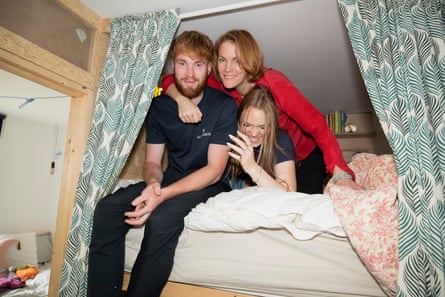
Anna Kilpatrick, a 52-year-old content creator from East Sussex, embodies a burgeoning philosophy challenging modern consumerism. She sleeps on a wide shelf in her hallway, dedicating her bedroom to her two children, aged 21 and 18. Despite this unconventional living arrangement, Kilpatrick asserts she has "enough," finding freedom not in material accumulation but in its absence. Her perspective, shared with over 104,000 Instagram followers via her @not.needing.new platform, positions her as a prominent voice within the growing community of "enough-luencers." This movement, distinct yet aligned with "de-influencing," champions not merely abstaining from trends but celebrating what one already possesses and, crucially, discovering profound happiness in that sufficiency.
The Philosophy of ‘Enough’: A Personal Transformation
Kilpatrick’s journey to this minimalist ethos was not always linear. Prior to her divorce over a decade ago, her life was characterized by a more affluent lifestyle, including a dedicated dining room – a stark contrast to her current flat where a proper table no longer fits. Yet, she reflects, "I am probably the happiest I have ever been as a grownup. Life is considerably more enjoyable when it gets simplified down to only the things you need, the things that are enough to bring you real, solid contentment." This personal transformation forms the bedrock of her new book, Not Needing New: A Practical Guide to Finding the Joy of Enough.
In her publication, Kilpatrick meticulously outlines the myriad benefits of embracing a life with fewer possessions. These include "an increased sense of calm, less anxiety through clutter, free time away from maintaining the home, a healthier bank balance and reduced debt, [and] children who are learning how to manage delayed gratification." Her insights suggest a direct correlation between reduced material focus and enhanced psychological well-being, a theme increasingly explored by researchers in consumer psychology and happiness studies.
The Economic and Societal Context of the ‘Enough’ Movement

The emergence of "enough-luencers" is undeniably timely, reflecting a confluence of economic pressures, environmental concerns, and a societal reckoning with the promises of consumerism. As Kilpatrick notes, "Economically, we’re all feeling the squeeze." Global inflation, rising cost of living, and stagnant wages in many developed economies have forced individuals to re-evaluate spending habits and prioritize financial stability. This economic reality creates fertile ground for movements advocating conscious consumption and frugality.
Beyond immediate financial concerns, there’s a broader cultural shift. Many individuals have reached a point, Kilpatrick observes, "where you realise that ‘more is more’ consumerism hasn’t brought great happiness. People are looking for a different way to feel fulfilled." Decades of relentless marketing and the pursuit of material goods have, for many, failed to deliver lasting satisfaction, instead contributing to increased debt, environmental degradation, and a sense of perpetual longing. This disillusionment has spurred interest in alternative lifestyles that prioritize experiences, relationships, and sustainability over material acquisition. The "enough" philosophy is presented not as an ascetic burden but as an accessible path to greater contentment, promising that "it’s all very doable," and "nobody will notice" – except perhaps that you’re happier.
Practical Pathways to Contentment: Strategies from the Enough-luencers
The movement provides actionable strategies for individuals looking to recalibrate their relationship with consumption. These methods extend beyond simple decluttering, aiming to foster a mindset of appreciation for sufficiency and community engagement.
1. Embracing the Sharing Economy: The Power of Borrowing
One fundamental tenet is the embrace of borrowing and sharing, challenging the deeply ingrained cultural norm of individual ownership. Charlie Gill, a Manchester-based content creator behind @lifebeforeplastic_, is a strong advocate for this approach. "I’m a big advocate of borrowing from neighbours," she states. Gill’s experiences, ranging from borrowing disco lights and heat guns to carpet cleaners and gardening equipment, illustrate how this practice not only saves money and reduces waste but also cultivates stronger community bonds. The initial awkwardness of asking for help, often a "terribly British" trait, is quickly overcome by the "enormous rewards" of mutual support and connection. As she explains, "When you get to know the people you live around, they start looking out for you and everyone feels valued." To maintain reciprocity, Gill often offers homemade cakes or small gifts in return. For those without a readily available network, initiatives like "Libraries of Things" – community hubs where tools, equipment, and even party supplies can be borrowed for a small fee – offer a structured alternative, combining the benefits of sharing with broader accessibility. The sharing economy, valued globally at an estimated $15 billion in 2014, is projected to reach $335 billion by 2025, reflecting a significant shift away from traditional ownership models driven by both economic and environmental factors.
2. Redefining Gifting: Experiences Over Objects
The societal pressure to give elaborate, often expensive, gifts can undermine even the most minimalist intentions. Enough-luencers propose a radical rethinking of gifting culture. Kilpatrick argues, "We are so programmed to think that the more we spend, the better the occasion will be and the happier it will make us." Her own family celebrates birthdays with shared traditions and spontaneity, emphasizing experiences over material possessions. For a recent birthday, her family spent a modest £8 to visit a secure field, allowing their dog to run freely while they enjoyed cartwheels and lying on the grass – an experience deemed "a perfect day with less, but actually more."
Instead of tangible gifts, Kilpatrick requested letters from her children, receiving "a precious, funny letter that I can keep for ever," alongside a surprise decoration of their flat with bunting and wildflowers. This shift towards sentimental or experiential gifting avoids unwanted clutter and financial strain, fostering deeper connections. The practice of creating "gift tokens" for services like babysitting, baking, or yard work further underscores the value of time and effort as expressions of love, offering tangible acts of care that resonate far beyond a store-bought item. This aligns with psychological research indicating that experiential purchases tend to lead to greater long-term happiness than material purchases, often because experiences are shared, create lasting memories, and contribute to personal identity.
3. Resisting the Comparison Trap: Cultivating Inner Contentment
The pervasive nature of social media often fuels the "comparison trap," leading to feelings of inadequacy and a perpetual desire for "more." Kilpatrick vividly recalls a university reunion where she felt like she had "done the worst out of everyone" due to her modest 90s car compared to her friends’ "bigger, better" vehicles. While she initially succumbed to tears, she quickly realized her friends were simply delighted to see her, underscoring the superficiality of material comparisons.
Kilpatrick identifies the comparison trap as "the principal drivers of our own malcontent" and advocates for a deliberate practice of recognizing what "enough feels like." This involves reflecting on "the simple things that make you feel safe, in routine and able to enjoy each phase of the day" – from comfortable bedding and shoes to nourishing food, exercise, and a favourite coffee. Documenting these elements can serve as a personal anchor, reinforcing that "knowing what makes you happy, not anyone else, will stop you from living in that state of comparison."
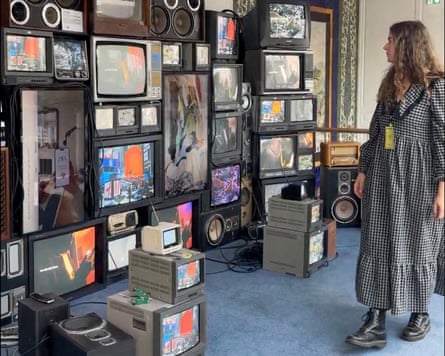
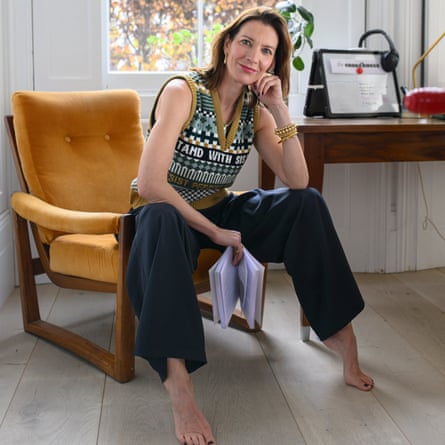
Melanie Rickey, a journalist, podcaster, and former fashion editor behind "The Enoughness," echoes this sentiment. Having navigated an industry often defined by covetousness, she now cherishes only her favourite objects – a specific cup, a comfortable chair, reliable trainers – and adheres to a strict "one-in, one-out" policy. Crucially, she emphasizes curbing social media consumption, a primary source of comparative pressure. Rickey uses digital management apps like Opal to block distracting apps on her phone from 9 am to 5:30 pm, observing, "The more you leave the distraction of social media, the more your own self comes back and the comparisons go away." Physical app-blocking devices like "Brick" offer another tangible solution, requiring users to actively remove temptations. Research consistently links excessive social media use to increased feelings of anxiety, depression, and social comparison, highlighting the critical role of digital detox in fostering contentment.
4. Thoughtful Acquisition: Slowing Down Impulse Buying
Shunning impulse shopping not only prevents buyer’s remorse but also fosters a deeper appreciation for possessions. Upcycling influencer and author Annie Phillips (@madeby_annie_) employs a mental checklist when faced with purchasing decisions. She first questions her motivations: "Is it just the price that’s making the decision for me?" Next, she considers whether the item could be acquired secondhand or rented. This "slows it down," often eliminating items that aren’t truly desired. By the time an item is eventually found secondhand, the initial impulse may have faded, leading to the crucial question: "Well, do I actually want it now?"
Patrick Grant, a judge on The Great British Sewing Bee and author of Less: Stop Buying So Much Rubbish – How Having Fewer, Better Things Can Make Us Happier, reinforces this approach. He highlights that "the process of choosing something with real care – finding out where it came from, who made it – is satisfying and adds value to your purchase." This mindful acquisition contrasts sharply with the fast-fashion and disposable goods culture, which contributes significantly to global waste and resource depletion. Moreover, he adds a practical benefit: "by buying fewer, genuinely useful clothes that are more regularly rotated, you won’t get moths" – a testament to the longevity and care inherent in this philosophy.
5. The Joy of Creation: Making and Mending
The act of creation, whether crafting clothing, furniture, or even a lawn, imbues objects with personal significance and provides a unique sense of accomplishment. Grant recounts the satisfaction derived from creating his own flat lawn using only picks, hoes, buckets, and an unmotorised push mower. Despite the physical exertion, he gained "extraordinary" muscles and a deep connection to his work. He provocatively questions the modern reliance on power tools, suggesting that the physical labour they negate often leads people to gyms, creating a cycle of unnecessary expenditure and effort. "You could do neither, and get all the physical and mental health benefits thrown in for free."
Upskilling, a natural extension of making, also contributes to well-being. Charlie Gill, for example, taught herself to sew last year, creating her wedding dress from an eBay tablecloth and a beginner’s pattern. She notes, "The dopamine people get from buying, I get from learning." This shift from passive consumption to active creation offers a powerful antidote to the transient satisfaction of new purchases.
Complementing creation is the art of care and repair, extending the lifespan of cherished items. Gill champions this, stating, "Being able to say that you’ve had something for 10 or 15 years is cool. It shows you’re willing to care for things." She applies her sewing skills to mend clothes, but also improvises, as demonstrated by her dog lead repair using drawing pins and a pencil. "Mending doesn’t have to be perfect," she advises, emphasizing ingenuity and resourcefulness. Many repairs, from replacing an oven’s heating element to a phone battery, are accessible with online guidance and readily available parts, challenging the prevailing "throw-away" mentality. For more complex issues, community-driven "Repair Cafes" offer volunteer expertise, fostering a culture of mending and reducing waste.
6. Prioritizing Experiences: Less Having, More Doing
The core of the "enough" philosophy culminates in a redirection of energy and resources from material accumulation to enriching experiences. Without the burden of excessive possessions or the time lost to online comparison, individuals find more capacity for non-consumerist pursuits. Kilpatrick, for instance, taught herself guitar, swapping endless scrolling through retail sites for learning new songs.
Charlie Gill and her partner prioritize "random things, like coasteering, ziplining in caves, murder mystery games," over physical gifts. These shared adventures foster memories, facilitate new connections, and leave a more profound sense of fulfillment than any material object. This aligns with the broader trend of the "experience economy," where consumers increasingly value memorable events over tangible goods.
Ultimately, finding non-material joy does not require grand gestures. Kilpatrick highlights the importance of simply "training yourself to notice good things – for example, that the days are getting longer, the blossom is coming, or thick warm socks on a grey day. It’s these tiny remedies that make the difference." This practice of mindfulness and appreciation for everyday moments forms the quiet, yet powerful, core of the enough-luencer movement.

Broader Implications: A Sustainable and Fulfilling Future?
The rise of the enough-luencer movement represents more than a personal lifestyle choice; it signifies a growing cultural counter-narrative to rampant consumerism. Economically, widespread adoption could lead to reduced individual debt, stronger local economies through repair and sharing, and a shift in demand towards services and experiences. Environmentally, it directly addresses issues of overproduction, waste, and resource depletion, contributing to more sustainable consumption patterns. Societally, it fosters community resilience, reduces social comparison, and promotes a re-evaluation of what constitutes true wealth and happiness.
While critics might argue that such a lifestyle is a luxury for some or could potentially impact economic growth, proponents suggest it offers a more resilient and equitable model for the future. The "enough" movement is not about deprivation, but rather about intentionality – choosing what genuinely adds value and joy, and shedding the rest. In an era of increasing uncertainty, the lessons from enough-luencers offer a compelling vision for a life that is both more sustainable and profoundly more contented.