Reynand Wu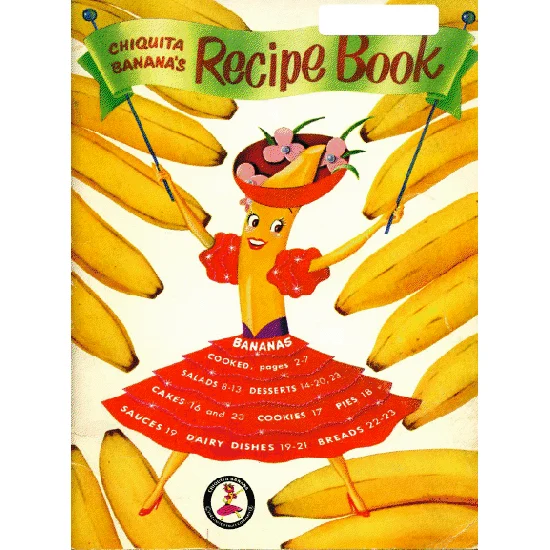
Over the course of the past year, M&M’s mascots have unexpectedly found themselves at the epicenter of a swirling debate spanning news cycles, social media feeds, and even Super Bowl commercials. This saga, initiated by Mars Wrigley’s strategic decision to update the iconic candy characters in pursuit of more inclusive marketing, quickly transcended mere branding to become a flashpoint in broader cultural discussions surrounding gender representation and corporate social responsibility. The resulting public outcry and subsequent brand adjustments offer a compelling case study in the complexities of modern marketing, consumer expectations, and the persistent societal pressures placed upon gender norms.
The Catalyst: A Shift Towards Inclusivity
The controversy officially ignited in January 2022 when Mars Wrigley, the confectionery giant behind the M&M’s brand, announced a significant refresh of its beloved animated spokescandies. The most notable changes focused on the female characters. The Brown M&M, previously depicted in high heels, was given shorter, more practical heels. More significantly, the Green M&M, long characterized by her go-go boots and overtly flirtatious persona, had her footwear replaced with sneakers. According to Mars Wrigley, these alterations were part of a global effort to create a "more inclusive world" where "everyone feels they belong." The company stated its intention was to highlight the personalities of the characters, moving away from stereotypical gendered appearances to foster a sense of belonging and self-expression. This initiative aligned with a growing trend among major corporations to adapt their branding and messaging to reflect contemporary social values and reach a broader, more diverse consumer base. Industry analysts at the time noted that brands across sectors were increasingly scrutinizing their marketing for outdated or potentially exclusionary imagery, driven by evolving consumer demographics and heightened social awareness.
The Outcry and Culture War Escalation
What Mars Wrigley likely anticipated as a progressive brand update, however, swiftly devolved into a polarized public debate. The changes, particularly those concerning the Green M&M, drew swift and often intense criticism from various quarters. Conservative commentators, in particular, seized upon the narrative, framing the alterations as an example of "wokeness" gone too far. Tucker Carlson, a prominent voice on Fox News, became a de facto face of the backlash. He famously remarked, "M&M’s will not be satisfied until every last cartoon character is deeply unappealing and totally androgynous." Carlson’s statements resonated with a segment of the audience who perceived the brand’s move as an unnecessary capitulation to progressive ideologies, arguing that it stripped the characters of their established identities for political correctness.
The criticism wasn’t confined to conservative media. Unexpectedly, some voices from more liberal or culturally progressive backgrounds also expressed dismay, albeit for different reasons. EJ Dickson, a senior writer for Rolling Stone, penned an article provocatively titled, "Let the Green M&M Be a Nasty Little Slut." In her piece, Dickson argued that the Green M&M had cultivated a distinctive "horny, sexy bitch" brand over decades, and that replacing her iconic boots with "Larry David footwear" in the name of feminism felt like a misstep, an attempt to sanitize a character that, for many, embodied a playful, if exaggerated, sexuality. This unexpected convergence of criticism from seemingly opposing ideological camps highlighted the complex and often contradictory nature of public perception regarding gender roles and representation in popular culture. The intensity of the reactions underscored the deep emotional connections consumers can form with beloved brand mascots, transforming what might seem like trivial aesthetic changes into symbols of broader cultural shifts.
Expanding the Cast: The Purple M&M’s Debut and Renewed Conflict
The controversy experienced a significant resurgence in September 2022 with the introduction of a new M&M character: Purple. Described by Mars Wrigley as "known for her earnest self-expression" and a champion of "acceptance and inclusivity," Purple’s debut was intended to further diversify the M&M’s lineup and reinforce the brand’s commitment to modern values. However, her arrival did little to quell the existing tensions; instead, it provided fresh ammunition for critics. Tucker Carlson reignited his commentary, remarking on Fox News, "The green M&M got her boots back, but apparently is now a lesbian maybe? And now there’s a plus-sized, obese purple M&M." These remarks, widely condemned for their reductive and often offensive characterizations, escalated the debate further, pushing Mars Wrigley to take more drastic action.
In response to the sustained and increasingly vitriolic public discourse, Mars Wrigley announced in January 2023 a "temporary pause" on its spokescandies, replacing them with Maya Rudolph as a human spokesperson. This decision reflected the immense pressure the company faced, acknowledging that the characters had become "divisive." The move, while strategic, also signaled the brand’s struggle to navigate a rapidly fragmenting media landscape where even seemingly innocuous brand updates can be co-opted into broader cultural conflicts. The "temporary pause" illustrated the fine line corporations walk between attempting to align with progressive values and alienating a significant portion of their consumer base, or becoming fodder for politically charged media narratives.
Beyond Candy: A History of Gendered Marketing
The M&M’s controversy, while contemporary in its specific manifestations, is rooted in a long and pervasive history of gendered marketing, particularly the sexualization of female characters and products. This practice is far from unique to Mars Wrigley. Decades before the M&M’s characters took center stage, brands employed similar strategies to appeal to consumer markets, often by imbuing products with human characteristics that reinforced societal gender norms.
A prime example is the Chiquita Banana. Making her debut in the 1940s as the world’s first branded fruit, the original Miss Chiquita Banana was a character meticulously crafted to be both racialized and sexualized for the American market. Her femininity was overtly emphasized and exaggerated through flirtatious winking, eye-rolling, frilly dresses, and prominent lipstick. This portrayal leveraged existing cultural stereotypes to make an inanimate fruit relatable and desirable, linking its consumption to an idealized, if problematic, vision of femininity and exoticism. Similarly, numerous other food products, from baking mixes to dairy items, have historically utilized female figures in advertising, often depicting them in domestic roles or as objects of desire, thereby reinforcing traditional gender expectations and the male gaze.
M&M’s itself has long utilized a similar strategy with its female spokescandies. The hypersexualization of characters like the Green M&M was not limited to her attire but extended to the erotic nature of the commercials in which she featured. Instances of the Green M&M being pictured pole dancing, stripping, or suggestively fondling chocolate are well-documented. Crucially, these commercials often depicted the male M&M’s characters ogling her in the background, a subtle but powerful reinforcement of the male gaze. This advertising trope positions women as passive objects to be viewed and desired by men, rather than active subjects with agency. Such portrayals, while designed to be humorous or alluring, contribute to a broader cultural environment where female bodies are commodified and objectified, even in the context of candy advertising.
Sociological Lenses: Emphasized Femininity and Backlash to Shifting Norms
To understand the intensity of the backlash against the M&M’s changes, it is essential to examine the sociological concept of emphasized femininity. This term refers to a set of traditional feminine norms that encourage women to accommodate men’s sexual appetites and desire for control. It posits that certain feminine attributes and behaviors are valued precisely because they complement and legitimize hegemonic masculinity, thereby upholding existing gender hierarchies and various forms of oppression. Traits associated with emphasized femininity often include deference, nurturing, emotionality, and a focus on physical attractiveness as defined by male desire.
When the female M&M’s characters, particularly the Green M&M, began to deviate from these conventionally attractive and "sexy" portrayals, those who subscribe to the ideals of hegemonic masculinity felt threatened. Hegemonic masculinity, in this context, refers to the dominant and idealized form of masculinity in a given society, often characterized by power, aggression, and heteronormative control. The perceived desexualization of the M&M’s characters was interpreted by some as a challenge to their masculine identity projects, provoking anger that their sexual desires, even in relation to a candy mascot, were not being satisfied. This reaction reveals a societal expectation that women, even fictional characters, should conform to specific aesthetics that cater to male desire, and that a departure from these norms is met with hostility.
This outrage further illuminates a broader societal phenomenon: women often face the prospect of being labeled "socially undesirable" or "unappealing" when they exhibit characteristics perceived as masculine or when they defy conventional feminine expectations. Carlson’s provocative statement, "When you’re totally turned off, we’ve achieved equity," encapsulates this sentiment. In patriarchal societies, when a woman exhibits defiance, authority, or independence, men may feel threatened unless they can stigmatize or "feminize" her behavior in a derogatory way. This can manifest as labeling women who assert themselves as "bitches," "lesbians," or "sluts"—terms that serve to undermine their agency and re-establish male dominance. The M&M’s controversy vividly demonstrated that, for many, a woman’s value remains inextricably linked to her subservience to the male gaze and her adherence to traditional, accommodating feminine roles.
The Broader Societal Impact: Hypersexualization and Youth Development
The hypersexualization of women in media, even through seemingly innocuous mascots, carries profoundly harmful implications, particularly for young people. Adolescents, exposed to a media environment saturated with sexualized imagery, are often led to internalize the idea that women are primarily sex objects. When women and young girls consistently see their bodies objectified, whether in advertisements, entertainment, or even candy branding, they begin to internalize the notion that their physical appearance and sexual appeal are the most valuable aspects of their identity.
This internalization can manifest as "self-objectification," where individuals adopt an external, third-person perspective on their own bodies, constantly evaluating their appearance based on societal standards. Such a mindset can lead to a range of negative psychological outcomes, including body dissatisfaction, eating disorders, depression, and reduced cognitive performance. Girls, in particular, may feel immense pressure to conform to unrealistic beauty standards, leading to feelings of unworthiness if they fail to meet these ideals. They become acutely aware that they are often seen as "sexual playthings waiting to please men’s sexual desires," which can profoundly impact their self-esteem, aspirations, and ability to form healthy relationships. The fact that children’s candy mascots can be sexualized sends a confusing and damaging message about what is valued in women from a very young age.
The public outcry over the M&M’s characters’ shoe changes, therefore, transcends mere cosmetic preferences. It sends a powerful message about societal expectations for female presentation. The notion that a "culture war" could be waged over the footwear of animated candy mascots, while superficially ludicrous, underscores the deeply ingrained nature of these gendered expectations. There is undeniable power behind words and imagery, and the real-world implications of such controversies must be critically examined. The vicious cycle of sexualizing women, whether they are mascots or real individuals, for corporate profit and the reinforcement of outdated gender norms must be challenged. Prominent public figures and media outlets have a responsibility to recognize that the perpetuation of oppressive stereotypes is not a mere punchline but has tangible, detrimental effects on individuals and society at large.
Corporate Strategy and Brand Reputation in a Divided Landscape
Mars Wrigley’s journey through the M&M’s mascot controversy highlights the complex challenges corporations face in an era of heightened social consciousness and polarized public discourse. The initial move towards inclusive marketing was likely a response to evolving consumer expectations, market research indicating a desire for more diverse representation, and a broader corporate trend towards aligning with ESG (Environmental, Social, and Governance) principles. Brands increasingly understand that their values, or perceived lack thereof, can significantly impact consumer loyalty and brand reputation, particularly among younger demographics who prioritize social justice and authenticity.
However, the M&M’s case demonstrates the inherent risks in such transformations. While aiming to appeal to a broader, more progressive audience, Mars Wrigley inadvertently triggered a backlash from a segment of consumers and media personalities who felt alienated by the perceived shift away from traditional imagery. This created a significant dilemma: how to remain true to an inclusive mission without becoming embroiled in a "culture war" that could harm sales and brand perception. The decision to temporarily "retire" the spokescandies and introduce a human spokesperson, Maya Rudolph, was a pragmatic attempt to de-escalate the conflict and remove the brand from the political crosshairs. It bought Mars Wrigley time to re-evaluate its strategy and potentially find a less controversial path forward.
From a business perspective, such controversies can be costly. While the initial media attention might offer some brand visibility, sustained negative publicity can erode consumer trust, impact sales, and complicate marketing efforts. The M&M’s saga underscores the need for brands to conduct thorough cultural impact assessments before implementing significant changes to beloved icons. It also illustrates the power of social media and traditional media personalities to amplify minor brand adjustments into major societal debates, often with unforeseen consequences for corporate image and profitability.
Conclusion: The Enduring Debate on Representation and Gender in Media
The M&M’s mascot controversy stands as a potent microcosm of larger societal debates surrounding gender, representation, and the role of corporations in shaping cultural norms. What began as a seemingly innocuous marketing adjustment quickly escalated into a national conversation, exposing deep-seated anxieties and divisions about evolving gender roles, political correctness, and the boundaries of commercial messaging.
The saga reaffirmed the pervasive nature of the male gaze and emphasized femininity in advertising, illustrating how deeply ingrained these concepts are in popular culture and consumer expectations. It highlighted the societal discomfort and often hostile reactions when female characters, even animated ones, deviate from traditionally sexualized or accommodating roles. More importantly, it underscored the significant and often underappreciated harm that hypersexualization in media inflicts on young people, shaping their self-perception and understanding of societal value.
Ultimately, the M&M’s episode serves as a powerful reminder that branding is never truly neutral. Every creative choice, every character update, and every marketing campaign is imbued with cultural meaning and can spark profound reactions. As society continues to grapple with questions of inclusivity, equity, and representation, brands like M&M’s will likely remain at the forefront of these discussions, navigating the complex terrain between commercial imperatives and evolving cultural sensitivities. The debate over candy mascots is, in essence, a debate about the kind of world we wish to see reflected, and indeed, created, by the pervasive influence of media and advertising.