Danny Garick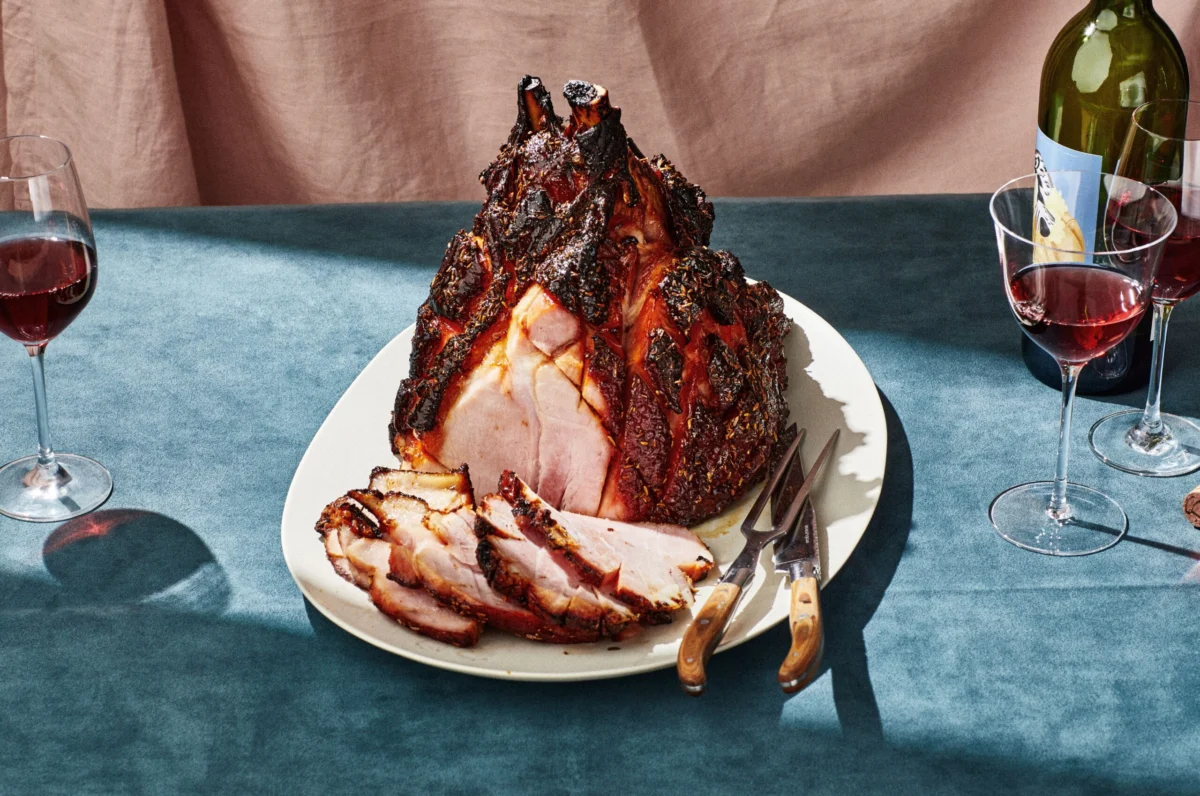
The landscape of holiday dining in the United States is currently undergoing a significant transformation, characterized by a departure from rigid, standardized menus toward a more flexible and seasonally-focused approach. While holidays such as Thanksgiving remain largely defined by specific culinary staples—most notably the roast turkey—Easter has emerged as a uniquely versatile occasion. This flexibility allows for a diverse range of menu options, from traditional heavy proteins like honey-baked ham and roast lamb to lighter, vegetable-forward fare that emphasizes the arrival of the spring harvest. Industry analysts and culinary historians suggest that this shift reflects broader changes in consumer behavior, economic factors, and a growing emphasis on seasonal sustainability.
The Foundations of the Easter Feast: A Historical Perspective
To understand the current diversity of the Easter table, it is necessary to examine the historical and religious foundations of the holiday. Historically, the foods associated with Easter were dictated by the availability of seasonal ingredients and the conclusion of Lenten fasting. In the Christian tradition, Lent is a forty-day period of penance and abstinence, during which many adherents traditionally refrained from consuming meat and dairy. The Easter feast, therefore, marked the first opportunity to indulge in these rich foods.
The lamb, perhaps the most iconic Easter protein, carries deep symbolic weight. Its roots lie in the Jewish holiday of Passover, where the sacrificial lamb was a central element. As Christianity branched from these roots, the lamb became a symbol of Jesus Christ, often referred to as the "Lamb of God." From a practical standpoint, lamb was also one of the first fresh meats available in the spring in agricultural societies across Europe and the Mediterranean.
The popularity of ham in the United States, however, is largely a result of climate and logistics. Before the advent of modern refrigeration, hogs were typically slaughtered in the autumn. The meat that was not consumed immediately was cured through the winter months. By the time spring arrived, the curing process was complete, making ham the most readily available and affordable meat for the Easter celebration. This practical necessity eventually evolved into a cultural mainstay, particularly in the American Midwest and South.
Chronology of the Modern Easter Menu Evolution
The evolution of the Easter menu over the last century reveals a steady progression from austerity to abundance, and finally to the current trend of customization.
- Early 20th Century (1900–1940): Easter meals were largely regional and determined by local agriculture. In rural areas, the meal focused on what was stored or freshly sprouted, such as root vegetables and cured meats.
- Post-War Era (1945–1970): The rise of industrial food processing and the supermarket culture led to the standardization of the "Easter Ham." Pre-cooked, spiral-cut hams became a centerpiece of the American middle-class table, often accompanied by canned pineapple rings and maraschino cherries.
- The Gourmet Revolution (1980–2000): Increasing globalization and the rise of celebrity chef culture introduced more complex preparations. Rack of lamb with herb crusts and elaborate side dishes began to compete with the traditional ham.
- The Modern Era (2010–Present): There is a noticeable shift toward "spring-centric" dining. Consumers are increasingly prioritizing fresh, local produce over heavy, preserved meats. The concept of the "Easter Brunch" has also gained significant traction, introducing eggs, quiches, and pastries as primary meal components.
Economic Data and Consumer Spending Trends
The financial impact of Easter dining is substantial, providing a significant boost to the retail and grocery sectors. According to data from the National Retail Federation (NRF), Easter spending in the United States has consistently remained high, even during periods of economic fluctuation. In 2024, total Easter spending was projected to reach approximately $22.4 billion, with food being the largest category of expenditure.
Surveys conducted by consumer research firms indicate that approximately 80% of Americans celebrate Easter in some form, with 87% of those celebrants planning to host or attend a festive meal. The average consumer spends roughly $53 on food alone for the holiday.
Market data also highlights a shifting preference in protein choices. While ham remains the leader, with roughly 50% of households serving it, the market for lamb has seen a steady 3% annual growth over the last five years, driven by a younger demographic seeking "authentic" or "traditional" global flavors. Additionally, the sales of seasonal vegetables, such as asparagus, artichokes, and snap peas, see a 40% spike in the week leading up to Easter, signaling the transition toward lighter, plant-forward menus.
The Rise of Flexible Menu Planning
Culinary experts suggest that the current trend toward menu flexibility is a response to the "overwhelming" nature of traditional holiday planning. Unlike the rigid expectations of a Christmas or Thanksgiving dinner, the Easter menu acts as a blank canvas. This allows hosts to cater to a wider variety of dietary preferences, including vegetarian, gluten-free, and paleo diets, without violating cultural expectations.
Professional chefs often categorize modern Easter menus into three distinct archetypes:
- The Classicist: Focused on the honey-baked ham or slow-roasted leg of lamb. This menu prioritizes tradition and usually includes scalloped potatoes, glazed carrots, and dinner rolls.
- The Seasonalist: Prioritizes the "Spring Harvest." The main protein may be a roasted salmon or a light chicken dish, but the focus is on bright, fresh sides like radish salads, pea purees, and herb-heavy grain bowls.
- The Hybridist: This approach, recommended by many modern culinary publications, mixes traditional elements with contemporary twists. For example, a spicy tamarind and honey-glazed ham may be paired with a modern arugula and citrus salad.
Supply Chain Dynamics and Market Implications
The logistics of providing the components for millions of Easter dinners are complex. The timing of Easter, which follows the lunar calendar and can fall anywhere between late March and late April, creates unique challenges for the agricultural sector.
For instance, the demand for eggs—both for consumption and for traditional egg dyeing—puts immense pressure on the poultry industry. In years where avian influenza outbreaks occur, as seen in recent cycles, the price of eggs can fluctuate by over 100% in the weeks preceding the holiday. Similarly, the availability of fresh spring produce is highly dependent on weather patterns in major growing regions like California and Mexico.
Meat processors also adjust their operations months in advance. The production of "Easter hams" requires a specific curing and aging timeline. A shortage of labor or disruptions in the transportation sector can lead to localized shortages, as seen during the 2021-2022 supply chain crisis. Despite these challenges, the retail sector has largely adapted by offering "pre-ordered" holiday kits, which streamline the process for consumers and allow retailers to better manage inventory.
Official Responses and Industry Insights
Representatives from the American Farm Bureau Federation have noted that holiday-centric demand is a vital component of the agricultural economy. "Easter represents a critical window for our producers," stated an industry analyst in a recent briefing. "It is the primary driver for the lamb market and a secondary peak for the pork industry. The shift toward more diverse menus is actually beneficial for farmers, as it spreads demand across a wider variety of crops and livestock."
Nutritionists and public health officials have also commented on the trend toward lighter Easter fare. Many suggest that the move away from high-sodium cured meats toward fresh, fiber-rich vegetables aligns with national health goals regarding the reduction of processed food consumption.
From a retail perspective, grocery chains have reported a significant increase in the sale of "ready-to-eat" or "heat-and-serve" components. This indicates that while consumers still value the tradition of the Easter meal, they are increasingly seeking ways to reduce the labor-intensive nature of holiday hosting.
Broader Cultural and Social Impact
The evolution of the Easter meal is more than just a change in dietary habits; it is a reflection of a changing society. As households become more diverse and multi-generational, the meal serves as a point of cultural fusion. In many urban centers, Easter menus now incorporate flavors from Latin America, the Mediterranean, and Asia, further distancing the holiday from its strictly Western European roots.
Furthermore, the emphasis on "making it a meal worth repeating," as noted by culinary influencers, suggests a desire for creating new traditions that resonate with modern values. This includes a focus on food waste reduction—utilizing leftover ham for soups or bone broths—and an interest in the provenance of the ingredients, such as pasture-raised lamb or organic produce.
The flexibility of the Easter dinner ultimately serves to lower the barrier to entry for holiday hosting. By removing the "perfectionist" requirements of other holidays, Easter allows for a more relaxed, community-focused gathering. Whether through a traditional sit-down dinner or a modern, buffet-style brunch, the focus remains on the transition of the seasons and the gathering of family and friends.
In conclusion, the modern Easter dinner is characterized by its adaptability. Supported by strong economic data and a rich historical background, the holiday continues to evolve. While the core elements of the feast remain rooted in tradition, the modern table is increasingly defined by a blend of old and new, heavy and light, and classic and contemporary. As consumer preferences continue to lean toward seasonal and personalized experiences, the Easter menu will likely remain one of the most dynamic and varied culinary events in the annual calendar.