Layla Zulfa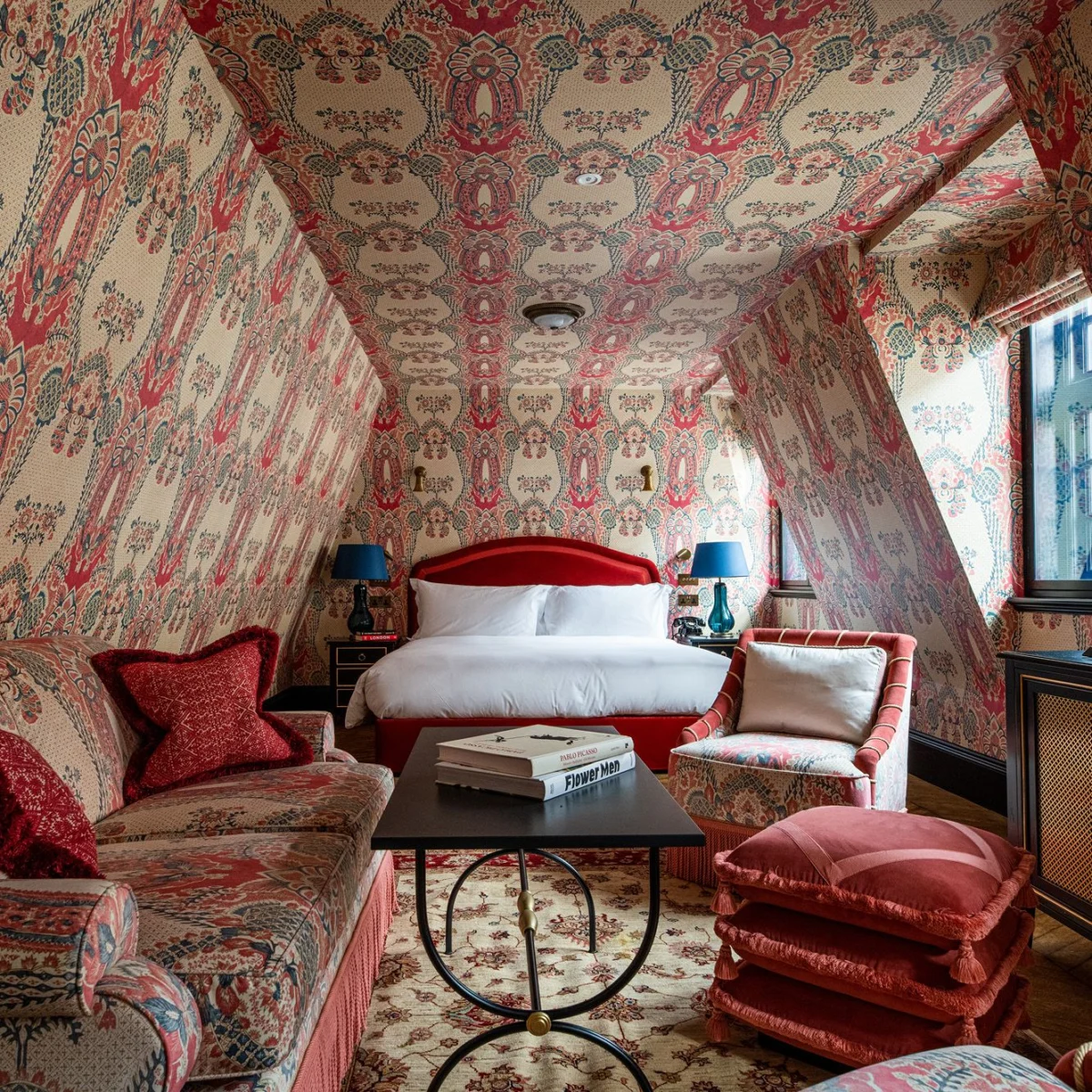
London’s hospitality industry has undergone a radical transformation over the past decade, evolving from a market dominated by historic "Grand Dames" into a multifaceted ecosystem of over 1,500 hotels. This expansion reflects the city’s enduring status as a primary destination for international capital, high-net-worth travelers, and design-conscious tourists. The current landscape is characterized by a dual focus: the preservation of 19th-century architectural heritage and the rapid ascent of independent, design-forward boutiques that challenge traditional luxury pricing. As the city navigates a post-pandemic resurgence, the hospitality sector has become a vital indicator of urban regeneration, with significant investments flowing into previously overlooked neighborhoods such as Paddington and King’s Cross.
The Economic and Cultural Context of London’s Hotel Market
The London hotel market is currently one of the most resilient in the global tourism sector. According to data from industry analysts, the city has seen a consistent rise in its Average Daily Rate (ADR), with luxury properties in Mayfair and Knightsbridge frequently exceeding £1,000 per night. This growth is driven by a diverse influx of international visitors, particularly from North America and the Middle East, coupled with a robust domestic "staycation" market.
Historically, the London hotel experience was defined by the Victorian and Edwardian eras, where grand scale and formal service were the prerequisites for prestige. However, the contemporary era—beginning roughly around 2019—has introduced a "lifestyle" hospitality model. This approach prioritizes interior design, culinary excellence, and local cultural integration. The emergence of hotels like The Standard and NoMad London illustrates a shift where the hotel is no longer just a place of rest, but a social hub and a culinary destination in its own right.
The Mayfair Institutional Leaders: Claridge’s and The Connaught
Mayfair remains the epicenter of London’s luxury market, anchored by properties that have defined English hospitality for centuries. Claridge’s, established in 1812, continues to serve as the benchmark for the "quintessential English" experience. Its recent history is marked by a massive engineering feat: a five-story basement excavation that added a state-of-the-art spa and swimming pool without disrupting the hotel’s daily operations. This renovation has allowed the property to maintain its Art Deco heritage while offering the high-tech amenities expected by modern travelers. With room rates starting at approximately $1,259, Claridge’s maintains its exclusivity through a combination of 24-hour butler service and high-profile cultural collaborations, such as its annual designer-led Christmas tree.
Adjacent to Claridge’s is The Connaught, located on Mount Street. This property represents the successful marriage of heritage detailing—exemplified by its wood-paneled salons and corniced fireplaces—with modern culinary prestige. The hotel’s Michelin-starred restaurant, led by Hélène Darroze, and the world-renowned Connaught Bar provide a level of service that industry experts cite as the "gold standard" for the global hospitality sector. The subterranean Aman Spa, built with black granite, further emphasizes the hotel’s commitment to providing a sanctuary-like environment in the heart of the city.
Architectural Innovation and Adaptive Reuse: NoMad and The Standard
The trend of adaptive reuse has become a cornerstone of London’s hotel development strategy. NoMad London, which opened in 2021, occupies the former Bow Street Magistrates’ Court. The design, led by the studio Roman and Williams, honors the building’s history—once the site of trials for figures such as Oscar Wilde—while transforming it into a moody, art-centric retreat. The property features over 1,600 pieces of art and a soaring glass-roofed atrium that serves as its primary dining venue.
Similarly, The Standard London represents the revitalization of King’s Cross. Housed in a 1970s Brutalist building that formerly served as a Camden Council annex, the hotel has been praised by architectural critics for preserving the stark, geometric aesthetic of the original structure while injecting it with a vibrant, retro-modern interior. Since its opening in 2019, The Standard has acted as a catalyst for the surrounding area, drawing a creative demographic to a neighborhood once primarily known for its railway logistics.
The Rise of Design-Forward Boutiques in West London
While Mayfair remains the traditional choice, West London has seen the rise of more intimate, residence-style hotels. At Sloane, which opened in 2023 in Chelsea, operates on a "members-club" model, emphasizing privacy and discretion. The interiors, designed by Atelier Mériguet-Carrère, feature sumptuously patterned fabrics and antique décor that mirror the aesthetic of its sister property, Hotel Costes in Paris.
In Kensington, The Kensington Hotel offers an alternative to the "over-the-top" luxury of central London. Spread across seven Victorian white stucco buildings, the hotel focuses on a "townhouse" aesthetic that is approachable yet elegant. Its proximity to the Victoria and Albert Museum and the Natural History Museum makes it a strategic choice for cultural tourism.
Further west, the Grand Hotel Bellevue in Paddington marks a significant shift in that neighborhood’s identity. Traditionally a transit-heavy area, Paddington is now attracting a "quieter, cooler demographic" thanks to the work of Italian architect Fabrizio Casiraghi. The hotel’s interiors—characterized by deep greens and dark woods—and its curation by designer Emily Adams Bode Aujla signify a move toward highly personalized, boutique experiences at more approachable price points, with rates starting near $200.
Maximalism and the New Social Scene: Broadwick Soho and The Twenty Two
The "maximalist" design movement has found a home in Soho and Mayfair through properties like Broadwick Soho and The Twenty Two. Broadwick Soho, designed by Martin Brudnizki, is described as an "ode to the eccentric," blending town house maximalism with disco-era influences. The property’s use of custom Pierre Frey fabrics and Murano chandeliers reflects a broader trend in the industry toward bold, sensory-rich environments that prioritize "joyful" hospitality over formal austerity.
The Twenty Two, located near Grosvenor Square, has adopted a similar philosophy. Since its 2022 opening, it has become a staple for the fashion and creative industries. The hotel’s 18th-century France-inspired interiors and its integrated members’ club provide a social ecosystem that extends beyond the traditional guest experience.
Modernity and Sustainability: The Emory and 1 Hotel Mayfair
The most recent additions to the London market demonstrate a pivot toward steel-and-glass modernity and ecological responsibility. The Emory, designed by the firm of the late Richard Rogers, stands as a stark contrast to London’s heritage-heavy buildings. Its all-suite concept and architectural precision—designed to mitigate the vibrations of the London Underground—position it as a leader in modern luxury.
Conversely, 1 Hotel Mayfair represents the industry’s response to the climate crisis. Located off Piccadilly, the hotel utilizes reclaimed timber, raw stone, and living green walls to create a "nature-first" environment. The inclusion of a Bamford Wellness Spa and a focus on sustainability indicates that "luxury" is increasingly being redefined to include environmental ethics and holistic well-being.
Market Implications and Future Outlook
The diversification of London’s hotel sector has significant implications for the city’s economy. The constant influx of new properties creates thousands of jobs in the service and creative sectors while driving competition that forces older establishments to innovate.
Industry analysts suggest that the "lifestyle" hotel trend will continue to dominate, with a focus on "hyper-local" experiences. This involves hotels sourcing food from local urban farms, collaborating with neighborhood artists, and acting as community hubs. Furthermore, the success of hotels in Paddington and King’s Cross suggests that the next wave of development may target South London and the East End, as travelers seek authentic experiences away from the traditional tourist corridors.
Official responses from hospitality groups indicate a long-term confidence in the London market. Representatives from the Maybourne Hotel Group and Kinsfolk & Co have noted that while the global economic climate remains volatile, the demand for high-quality, uniquely designed spaces in London remains inelastic.
In conclusion, London’s hotel landscape is no longer a monolith of Victorian tradition. It is a vibrant, competitive, and highly designed sector that reflects the city’s cosmopolitan identity. From the Art Deco grandeur of Claridge’s to the Brutalist energy of The Standard, the capital’s premier hotels are not merely places to stay—they are the architectural and social anchors of the city’s evolving neighborhoods. As the sector continues to grow, it will likely be defined by an even greater emphasis on design literacy, sustainability, and the seamless integration of hospitality into the broader urban fabric.