Ronny Sianturi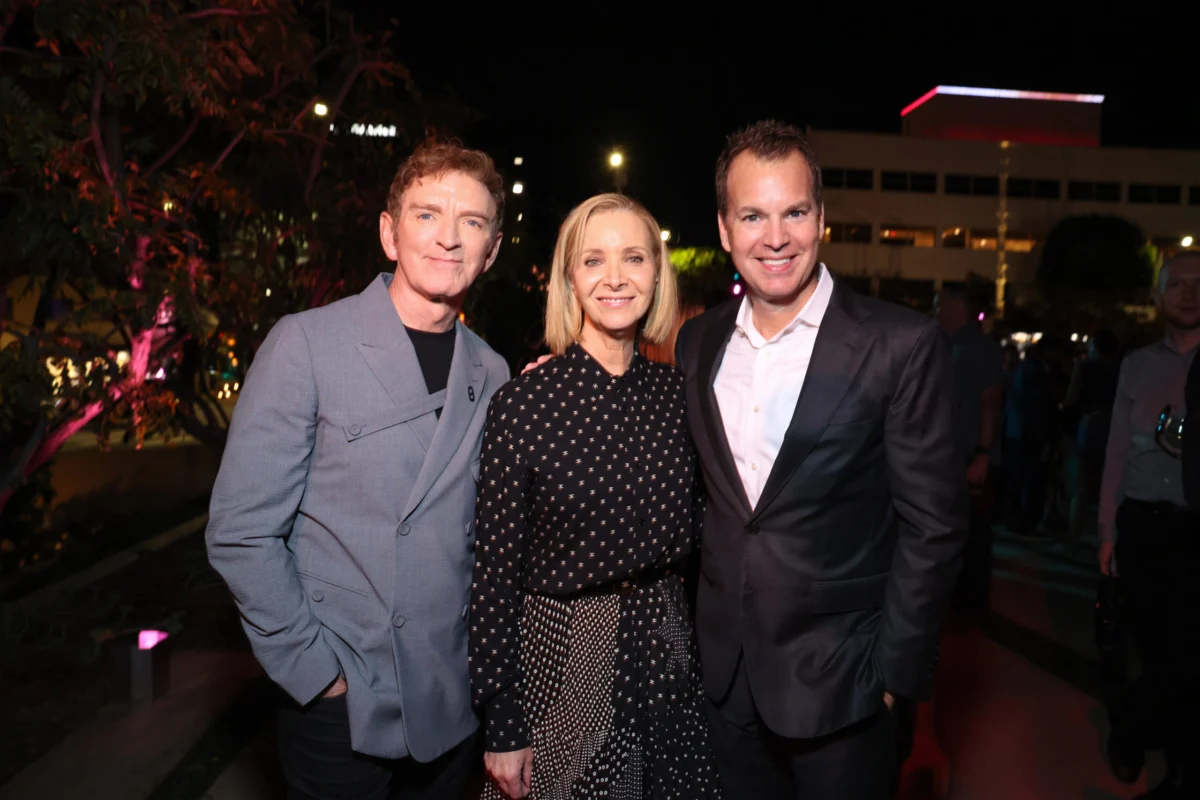
Valerie Cherish, the perpetually earnest and often painfully relatable veteran sitcom actress, is poised for one last, cringe-inducing foray into the Hollywood spotlight. The acclaimed HBO series The Comeback, starring Lisa Kudrow as the iconic Valerie, is set to return for its third and final season, a swansong that sees the character navigating the burgeoning landscape of artificial intelligence in television. This latest chapter, premiering Sunday on HBO, finds Valerie starring in the first multicam sitcom purportedly written entirely by AI, a meta-narrative that pushes the show’s established satire of the entertainment industry into uncharted, and potentially unnerving, territory.
The journey of Valerie Cherish began in 2005, when Kudrow, alongside co-creator Michael Patrick King, first introduced the world to the tenacious actress desperate for relevance. The initial season, a raw and often uncomfortable look at the realities of aging in Hollywood and the desperate pursuit of a second act, resonated deeply with critics and a niche audience. It wasn’t until the show’s revival in 2014 for a second season that Valerie, and her signature blend of misplaced confidence and vulnerability, truly solidified her place as a pop culture phenomenon. Her catchphrases, often born from moments of profound awkwardness, became instantly recognizable, encapsulating a specific brand of Hollywood ambition that felt both specific and universal.
While The Comeback has always operated as a sharp satire, its enduring power lies in its uncomfortable truthfulness. Kudrow herself has frequently spoken about how the character of Valerie tapped into a palpable anxiety within the industry, an anxiety she witnessed firsthand. "In the beginning, I would go to things and actresses would come up to me – known actresses that I admired a lot – and just sort of lean in and say, ‘I’m so afraid that’s me,’" Kudrow recalled at the show’s recent Los Angeles premiere. She continued, "I said, ‘No, of course that’s not you.’ But that’s how much Valerie lives inside every actor, every actress, every writer, everybody who knows when they shouldn’t say something but they have very loud thoughts about it and says it and tries to be charming about it and thinks maybe she can make an impact, and you can’t because no one is listening to you.”
This sentiment was echoed by Michael Patrick King, who co-created the series with Kudrow. King has consistently emphasized the show’s documentary-like quality, asserting that Valerie’s struggles are not fantastical but deeply rooted in the human experience of insecurity and the constant striving for validation. "As I said to somebody once, this is a documentary, always. It’s not fantastical," King stated. "Lisa’s ability to be Valerie is so unique, but it’s a composite of everyone she’s ever seen that’s like this. We’re all like this, we’re all Valerie, we’re all thinking we’re not enough – the writers, the actors, the crew members. Everyone is in the mix, just Valerie is the only one who is so naked for our enjoyment.”
A Trilogy Concluding at an "Extinction Event"
The decision to bring The Comeback to a close with its third season, despite Kudrow and King’s historically sporadic production schedule of roughly one season per decade, was driven by a narrative imperative. The introduction of AI as a creative force in the industry provided a thematic culmination that felt both timely and fitting for the show’s trajectory. "When we realized this is about her confronting – in her way not confronting – AI writing a sitcom that she’s on, we realized, oh this is like the very beginning, Valerie on a reality show before there were Housewives anywhere," Kudrow explained. "So it felt like this is now a trilogy and now it looks like the point of this whole thing is we were taking a snapshot of this industry at what was thought to be an extinction event.”
King elaborated on the practicalities and artistic considerations behind this decision. "We’re very practical, and we knew it took us a very long time for the universe to present to us another doorway to walk through. We had lots of ideas over the last 10 years but none that were big enough to say we’ll risk it again, we’ll do it again," he shared. The emergence of AI as a significant force in creative fields presented a compelling enough challenge and a source of potent comedic material. "The fears lead right into comedy for us, the idea that everyone is terrified," King added.

This final season’s thematic focus extends beyond the confines of Hollywood, reflecting a broader societal shift. "What I like particularly about it as a subject is it’s not just Hollywood, it’s everywhere," King continued. "Way back in the beginning of The Comeback people said, ‘Oh it’s a show about Hollywood and an actress.’ Now it’s a show about humans and jobs.” The implications of AI’s growing influence on creative professions and the job market are profound and far-reaching, making Valerie’s latest predicament a mirror to contemporary anxieties.
Acknowledging a Profound Absence
A significant and poignant change in The Comeback season three is the absence of Mickey Deane, Valerie’s loyal and often exasperated hairstylist and confidant, a role brought to life by the late Robert Michael Morris. Morris passed away in 2017, leaving a considerable void in the series, both narratively and personally for the cast and crew.
"It definitely made me not even consider doing any more after season two for a while," Kudrow admitted, her voice tinged with emotion. "Aside from just missing Robert Michael Morris, Mickey is such a crucial character. That’s sort of our audience, we can always pan over to Mickey when Valerie says something and he’s like, ‘I don’t know if that made sense,’ and still supporting her. So that was hard but then we realized Valerie may have also decided not to deal with it much when Mickey passed, but now she’ll have to.” The show will undoubtedly address this loss, weaving it into Valerie’s ongoing journey and her capacity to confront difficult realities, both personal and professional.
The Evolution of The Comeback
The Comeback premiered on HBO on November 14, 2005, introducing audiences to Valerie Cherish, a faded star of the 1990s sitcom I’m It! who agreed to star in a reality show documenting her attempt to relaunch her career. The first season, which concluded on December 19, 2005, was met with critical acclaim for its unflinching portrayal of Hollywood’s often brutal realities and Kudrow’s nuanced performance. Despite critical praise, the show was canceled after its initial run.
Years later, driven by continued audience demand and a desire to explore Valerie’s character further, HBO revived The Comeback for a second season. The ten-episode second season premiered on November 9, 2014, and continued the narrative of Valerie’s attempts to navigate the modern entertainment landscape, including her role in a new HBO sitcom. This revival solidified Valerie’s status as a complex and enduring character, earning her renewed critical attention and a devoted fanbase.
The announcement of a third and final season, coupled with its unique premise, signifies a bold and fitting conclusion to Valerie Cherish’s narrative arc. By placing her at the forefront of the AI-driven creative revolution, The Comeback remains committed to its core mission: holding a mirror up to the ever-evolving, often absurd, and always compelling world of entertainment, and by extension, the human condition itself. The show’s ability to adapt and find new thematic ground, even after long hiatuses, speaks to the enduring relevance of its central character and the sharp insight of its creators. The final season promises to be a thought-provoking, and undoubtedly hilarious, examination of what it means to be an artist, an actress, and a human being in an era of unprecedented technological change.