Reynand Wu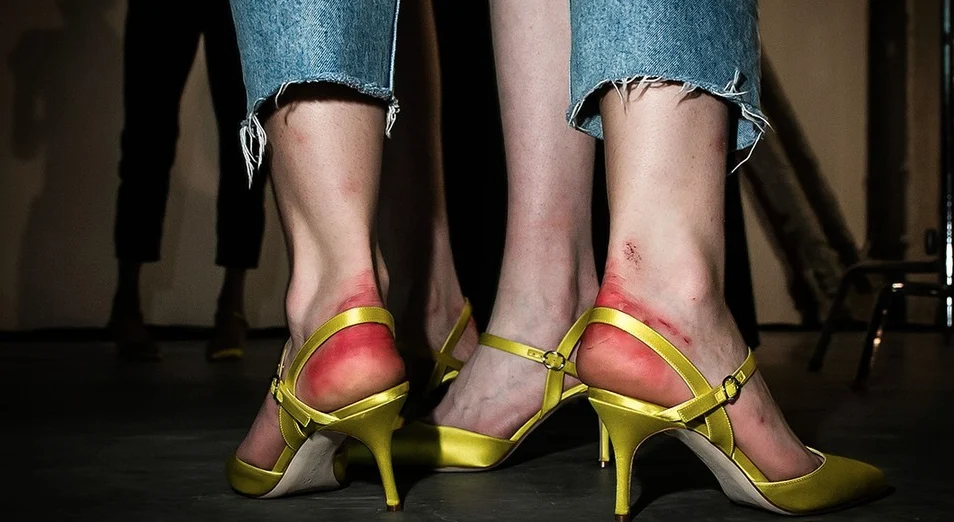
A striking photograph captured by Dina Litovsky, depicting a model’s visibly inflamed feet encased in slingback heels, has ignited a global conversation, tearing back the veil on the hidden costs of high fashion. The image, which quickly went viral after being reposted by influential accounts like National Geographic and numerous Instagram personalities, amassed over 500,000 likes and a torrent of comments predominantly criticizing the industry’s perceived prioritization of aesthetics over human well-being. This incident, while potent in its immediate impact, is not an isolated event but rather the latest in a recurring series of revelations that highlight the systemic pressures within the modeling world and the broader cultural narrative of "beauty is pain."
A Recurring Narrative: The Unseen Toll of the Runway
The recent photograph, which surfaced from a major fashion week event, serves as a stark visual reminder of the physical demands placed upon models. Litovsky’s lens expertly captured the raw reality behind the glamorous facade, revealing the chafing, redness, and swelling indicative of prolonged strain and discomfort. This image resonated deeply because it tapped into a collective understanding, often unspoken, of the sacrifices made in the pursuit of sartorial perfection.
Historical parallels underscore the persistent nature of this issue. More than a decade ago, during Louis Vuitton’s 2012 show in Paris, similar images circulated widely, showcasing models’ battered, bruised, and swollen feet. These photographs, then as now, prompted public outrage and discussions about ethical labor practices within the fashion industry. Incidents like these are not mere footnotes but integral chapters in the ongoing story of fashion’s relationship with the human body. Models, throughout history, have faced immense pressure to conform to designer visions, even when it compromises their physical integrity. Iconic moments, such as Naomi Campbell famously falling on the runway in Vivienne Westwood’s towering platforms in 1993, or Lindsey Wixson reportedly struggling with ill-fitting footwear, serve as dramatic examples of the inherent risks embedded in certain high-fashion designs. While models possess the agency to refuse to wear unwearable shoes, exercising this right often comes at a steep professional cost, particularly for those with less established careers or lower industry prestige, who risk being deemed "unprofessional" or "difficult."
The Commodification of the Body: Aesthetic Labor and Professionalism
The fashion industry frequently extols models for their endurance, celebrating their capacity to withstand grueling schedules, extended shoots, and physically demanding poses. Campaigns often feature models in overtly or subtly contortionist stances, implicitly rewarding the ability to push physical boundaries. This metric of professionalism, however, reveals a toxic underpinning: success is often measured by a model’s willingness to endure pain, thereby equating physical suffering with dedication and capability.
Sociologist Ashley Mears, in her seminal ethnography Pricing Beauty, meticulously details how models’ bodies are transformed into "aesthetic laborers." In this framework, their personhood is commoditized, their physical attributes becoming the primary tools of their trade. Mears argues that the ideals perpetuated by the high fashion industry—often exclusive and idealistic—become prescriptive, shaping not only how models are expected to look and behave but also influencing broader cultural expectations of appearance. Models, while seemingly empowered by their entry into this elite world, frequently navigate isolating work conditions and face intense scrutiny, where their value is intrinsically linked to their physical presentation and adaptability. The industry’s pervasive rhetoric, encapsulated in phrases like "beauty is pain" and "look good, feel good," subtly yet powerfully links one’s appearance to their inherent value and capabilities, creating a feedback loop where physical discomfort is normalized and even glorified.
Data on model welfare, though often anecdotal or gathered by advocacy groups, consistently points to a high prevalence of physical ailments, mental health struggles, and exploitative labor practices. Reports from organizations like The Model Alliance have highlighted issues ranging from insufficient compensation and long working hours to a lack of protective measures against harassment and physical injury. While specific statistics on foot injuries due to footwear are hard to quantify across the entire industry, the recurring photographic evidence, coupled with models’ testimonies, indicates a significant and unaddressed problem. A 2017 survey conducted by The Model Alliance, for instance, revealed that a substantial percentage of models had experienced mental health issues, financial exploitation, or unsafe working conditions, underscoring that physical pain is often just one facet of a broader struggle for dignity and fair treatment.
Industry Responses and the Push for Ethical Standards
In the wake of past controversies and growing public awareness, major fashion councils and organizations have made efforts to address model welfare. The Council of Fashion Designers of America (CFDA) in the United States, and the British Fashion Council (BFC) in the UK, for example, have issued guidelines concerning model health, age restrictions, and working conditions. These initiatives often include recommendations for providing healthy food, ensuring appropriate breaks, and promoting a respectful working environment. However, the implementation and enforcement of these guidelines remain challenging. The decentralized nature of the fashion industry, with its multitude of designers, casting agents, and production companies, makes comprehensive oversight difficult.
Statements from designers often emphasize artistic vision and creative expression as paramount, sometimes implicitly downplaying practical considerations for models. While many designers now claim to prioritize model well-being, the visual evidence from events like the one captured by Litovsky suggests a disconnect between stated intentions and actual runway practices. Model agencies, acting as intermediaries, also face a delicate balance: advocating for their talent’s welfare while simultaneously needing to maintain strong relationships with influential clients. Advocates for models, such as unions and non-profit organizations, continue to push for stronger contractual protections, better health and safety regulations, and increased transparency within the industry, arguing that voluntary guidelines are often insufficient.
From Catwalk to Consumer: The Broader Societal Impact
The imagery and narratives originating from the high-fashion runways extend far beyond the exclusive world of haute couture, trickling down to shape broader cultural expectations of beauty, gender, and self-worth. These runway shoes, often teetering between symbols of empowerment and oppression, embody cultural ideals of gender, race, class, and sexual identity, influencing what is deemed fashionable, desirable, and even "professional" in everyday life.
Journalist Jia Tolentino, in her essay "Always Be Optimizing," brilliantly dissects how the pursuit of beauty has evolved into a relentless quest for "self-optimization." Drawing parallels between intense physical workouts like Pilates and barre, and the broader cultural mandates placed upon women, Tolentino argues that what is often framed as "self-care" or "personal improvement" can, in fact, obscure deeply oppressive gendered beauty standards. The aches and pains endured in the gym, much like those on the runway, are justified under the guise of achieving an idealized physique. This illusion of "agency"—the "choice" to optimize one’s body—masks the underlying societal pressures that dictate what an "improved" or "womanly" figure should entail.
The "look good, feel good" mantra, deeply ingrained in consumer culture, further reinforces the idea that physical appearance is intrinsically linked to one’s emotional state and overall success. This pervasive belief encourages individuals to invest significant time, effort, and financial resources into beauty regimes, fitness trends, and fashion choices that may inflict physical discomfort or psychological strain. High heels, for instance, despite being widely acknowledged as detrimental to foot health, remain a staple in many professional and social settings, symbolizing elegance, power, and femininity. The discomfort they cause is often rationalized as a necessary sacrifice for achieving a desired aesthetic or professional image. A 2022 survey by the American Podiatric Medical Association revealed that a significant percentage of women experience foot pain, with high heels being a primary contributing factor, yet many continue to wear them due to social and professional expectations. This highlights how deeply cultural standards, often shaped by power dynamics, societal status, and perceived ideals of race and gender, dictate personal choices, extending the "price of pain" from the runway to the daily lives of millions.
A Call for Conscious Consumption and Ethical Design
The viral photo of a model’s inflamed feet serves as a potent catalyst for re-examining the fashion industry’s ethical responsibilities and society’s complicity in perpetuating potentially harmful beauty standards. It underscores the urgent need for a more humane approach to design and production, one that values the well-being of individuals over fleeting aesthetic trends.
Moving forward, the conversation must shift towards fostering an industry that champions creativity without compromising human health. This includes designers prioritizing ergonomic considerations alongside aesthetic innovation, leveraging new materials and technologies to create comfortable yet stylish footwear. It also demands greater accountability from fashion houses and stricter enforcement of welfare guidelines by industry bodies. Furthermore, consumers play a critical role in driving this change. By consciously questioning the "beauty is pain" narrative and supporting brands that prioritize ethical practices and comfort, they can exert significant influence on market demands. The widespread public reaction to Litovsky’s photo indicates a growing collective consciousness that is no longer content to passively accept the hidden costs of glamour. The ongoing dialogue between art, commerce, and human well-being in the fashion industry is at a pivotal juncture, demanding a re-evaluation of values and a commitment to a more empathetic and sustainable future.