Reynand Wu
In recent weeks, a striking phenomenon has emerged within conservative political circles: prominent women are increasingly observed to be straddling two distinct, yet paradoxically intertwined, archetypes of womanhood – the aspirational "girlboss" and the traditional "tradwife." This visible convergence of seemingly contradictory ideals reveals a nuanced and often overlooked connection between contemporary conservative womanhood and the broader landscape of "girlboss" feminism, a link that warrants close examination for its profound societal and political implications.
The Rise of the Entrepreneurial Tradwife
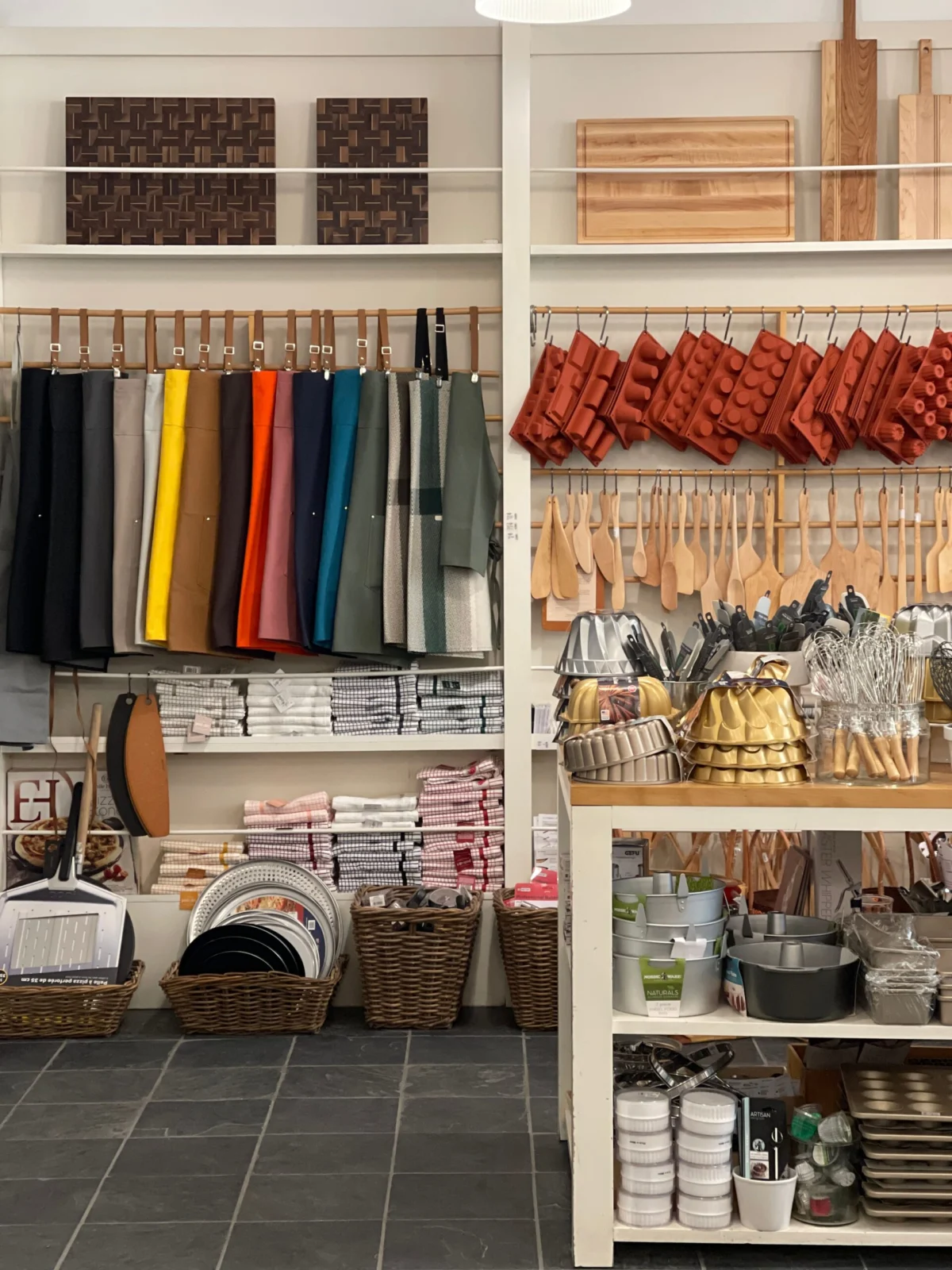
The concept of the "tradwife," or traditional wife, has gained considerable traction, particularly on social media platforms, since at least 2019. This archetype typically champions a return to domesticity, emphasizing the roles of wife and mother above all else, often within a framework where a strong male partner provides financial stability. Influencers embodying this lifestyle frequently showcase meticulously curated domestic scenes: an apron-clad woman in a pristine kitchen, preparing elaborate meals from scratch, all while maintaining a perfectly coiffed appearance in a serene, orderly home environment. Examples include North Carolina’s newly elected state Superintendent of Education, Michele Morrow, who prominently highlights her identity as a wife and mother, and Senator Katie Britt, whose widely discussed response to the State of the Union address was delivered from her kitchen, a deliberate visual choice that resonated deeply with this aesthetic.
While seemingly a throwback to an earlier era, the modern tradwife phenomenon is unequivocally a product of contemporary culture, particularly due to its intrinsic embrace of "choice" and entrepreneurship. Unlike their historical counterparts, today’s tradwives are not merely confined to their homes; they actively market their lifestyle. This entrepreneurial drive manifests in blogging, vlogging, and cultivating significant followings as social media influencers. They transform domesticity into a brand, selling an idealized vision of homemaking and traditional values. This commercialization and self-promotion are precisely where the "girlboss" mentality, typically associated with corporate ambition and female leadership, subtly intertwines with traditional domesticity.
The Legacy and Critique of Girlboss Feminism
To fully understand this convergence, it is crucial to revisit the origins and evolution of "girlboss" feminism. Popularized by figures like Sheryl Sandberg, whose 2013 book Lean In became a global phenomenon, this brand of feminism exhorted women to assert themselves in the workplace, demand promotions, and emulate male colleagues in their career trajectories. The core tenet was that individual effort, ambition, and strategic self-advocacy could overcome systemic barriers to women’s advancement in corporate America. The message was clear: if women would simply "lean in," they too could achieve professional success and leadership positions.
However, the promises of lean-in feminism largely failed to materialize for many women. Despite widespread adoption of its principles, women continue to face significant structural challenges, including persistent gender pay gaps (with women earning approximately 82 cents for every dollar earned by men, according to the Bureau of Labor Statistics), a disproportionate burden of domestic and caregiving responsibilities, and pervasive marginalization in labor markets. Critics swiftly emerged, pointing out that lean-in feminism was often colorblind, failing to address the unique challenges faced by women of color, and largely a sham, placing the onus of systemic inequality on individual women rather than on the patriarchal structures of corporations and society. Studies, such as those published in the American Psychological Association, have shown that many U.S. women internalize the belief that structural problems lie with "women ourselves," rather than with societal inequalities. The "myth of mutuality" often sustained within American families, suggesting an equitable division of labor, frequently belies the reality of women shouldering the majority of household and childcare duties.
The Convergence: Opting Out and Entrepreneurial Identity
It is against this backdrop of disillusionment with corporate feminism that the modern tradwife movement finds its contemporary appeal, particularly among conservative women. The "girlboss" ideal, while seemingly empowering, often led to profound burnout, demanding that women "do it all" – excel in high-powered careers while simultaneously managing the vast responsibilities of home and family. The tradwife, in her modern, entrepreneurial iteration, presents an alternative narrative: a conscious "opt-out" from this exhausting double burden.

This "opting out" is not a passive retreat but an active, often vocal, choice. Tradwife influencers, including a growing number of Black tradwives who articulate similar sentiments, proudly declare their decision to prioritize family and home, thereby escaping the constant stress and vulnerability of a labor market that historically undervalues women’s contributions. By doing so, they not only re-center traditional family structures but also implicitly shore up the "dying ideology of the father as breadwinner," offering a perceived stability and clarity of roles that many find appealing in a rapidly changing world. Their social media channels, blogs, and vlogs serve as platforms to showcase the "greatness" of this chosen path, demonstrating the successful integration of traditional values with modern entrepreneurial spirit. The meticulous presentation of their lives – from scratch cooking to perfectly organized homes – is not just about domesticity; it’s a carefully crafted personal brand, a testament to their "choice" and "success" within their chosen sphere, echoing the self-promotion inherent in the girlboss ethos.
Political Manifestations and Chronology
The political landscape offers compelling examples of this blended archetype. Senator Katie Britt’s March 2024 State of the Union response, delivered from her kitchen, was a masterclass in strategic messaging. While speaking on national policy, her setting subtly invoked the tradwife aesthetic, aiming to connect with a conservative female base that values traditional family roles. This visual choice was widely discussed, highlighting the power of such symbols in political communication. Similarly, Michele Morrow, a conservative activist, successfully leveraged her image as a dedicated wife and mother in her campaign for North Carolina’s Superintendent of Education in 2024. Her campaign emphasized family values, framing her political ambition not as a departure from domesticity but as an extension of her commitment to nurturing future generations, effectively merging political "girlboss" ambition with "tradwife" identity.
The #tradlife trend itself began gaining significant traction around 2019, particularly on platforms like TikTok and Instagram. This coincided with a growing public discourse around female burnout, the limitations of lean-in feminism, and a broader cultural re-evaluation of work-life balance in the wake of the pandemic. The appeal of a seemingly simpler, more focused domestic life, coupled with the entrepreneurial opportunities offered by social media, created fertile ground for the tradwife archetype to flourish and intersect with the self-promotion inherent in the girlboss model.
Broader Societal Implications and the Gender Order of Neoliberalism
This convergence of girlboss and tradwife ideals carries significant implications for gender equality and the future of feminist movements. It underscores how neoliberal frameworks have reshaped the understanding of "women’s empowerment." As detailed in scholarly works like The Gender Order of Neoliberalism, the United States has historically leveraged the narrative of its "empowered" women as a form of soft power on the global stage. The image of American women making independent choices, pursuing high-powered careers, and actively participating in public life has been contrasted with perceptions of women in supposedly "backward" or "patriarchal" cultures.
However, this focus on individual choice and the mandate for women to "do it all" represents a significant departure from earlier, more expansive visions of women’s empowerment. In the 1950s and 60s, transnational feminist organizing advocated for systemic changes: reproductive justice, fair pay for fair work, universal childcare, universal healthcare, and equitable international trade policies. These were collective demands aimed at dismantling structural barriers and creating a society where women could thrive, irrespective of individual choices. These visions, focused on community and collective welfare, have largely faded from contemporary political imagination.
Instead, the current discourse, even within seemingly opposing ideologies, often reinforces a narrow framework where women’s empowerment is defined by individual entrepreneurial success, whether in the boardroom or the kitchen. This narrow lens perpetuates the notion that women should continue to function as America’s de facto social safety net, absorbing the burdens of caregiving and domestic labor that are inadequately supported by public policy. The economic realities further highlight this: with childcare costs soaring (often exceeding college tuition in many states) and a lack of universal paid family leave, the "choice" to opt out of the workforce or scale back career ambitions becomes a pragmatic, albeit constrained, response for many women facing untenable pressures.
The entrepreneurial tradwife, while presenting an image of empowered choice, inadvertently reinforces a system where women’s economic independence can be undermined, and their labor, whether paid or unpaid, remains undervalued. By framing domesticity as a choice and a business, it sidesteps the need for structural reforms that would enable all women to pursue their aspirations without being forced into a binary of corporate burnout or traditional retreat. The absence of inviting visuals or narratives for a more collective, community-oriented vision of empowerment – one featuring widely available childcare, communal kitchens, or comprehensive healthcare – highlights an impoverished feminist imagination. This scarcity of alternative visions leaves women navigating a narrow divide between the individualistic pressures of the girlboss and the equally individualistic, albeit traditionally framed, demands of the tradwife, ultimately diverting attention from the systemic changes needed to achieve genuine gender equity and a more joyful, supportive life for all.