Layla Zulfa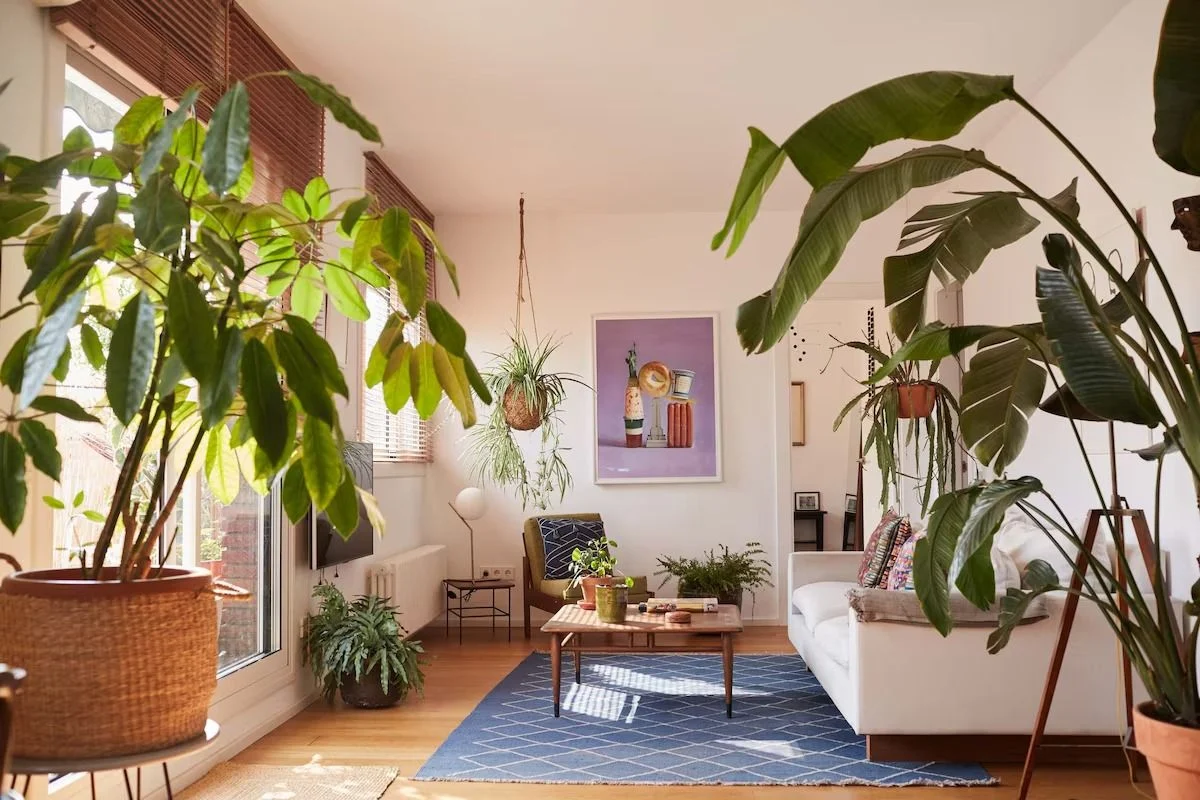
Barcelona has long stood as a global beacon of architectural innovation and artistic heritage, drawing millions of visitors annually to its sun-drenched streets and historic plazas. While the city’s hotel sector remains robust, a growing segment of high-end travelers is pivoting toward short-term residential rentals that offer a more intimate connection to the city’s unique aesthetic. The demand for "high-design" flats—properties that blend the historic preservation of 19th-century Modernisme with contemporary minimalism—has transformed the local hospitality landscape. These rentals provide more than just a place to sleep; they offer an immersive experience into the Catalan lifestyle, allowing guests to reside within the very architectural masterpieces that define the city’s skyline.
The Architectural Context of Barcelona’s Rental Market
To understand the appeal of Barcelona’s premium Airbnb market, one must consider the city’s urban evolution. Much of the high-end inventory is located in L’Eixample, the "Expansion" district designed by Ildefons Cerdà in the mid-19th century. This neighborhood is famous for its octagonal blocks and wide avenues, which were intended to provide light and ventilation to all residents. Today, these buildings house apartments characterized by soaring ceilings, intricate plaster crown moldings, and "rajoles hidràuliques"—the colorful, geometric hydraulic floor tiles that have become a signature of Barcelona design.
As the city grapples with the pressures of overtourism, the local government has signaled a significant shift in policy. In June 2024, Mayor Jaume Collboni announced an ambitious plan to eliminate all short-term rental licenses by November 2028. This move aims to return approximately 10,000 apartments to the local housing market to combat rising rents. Consequently, the current selection of licensed, design-forward Airbnbs represents a fleeting opportunity for travelers to experience the city from a residential perspective before the regulatory landscape shifts permanently.
High-End Eixample: The Pinnacle of Modernist Living
For travelers seeking the quintessential Barcelona experience, the district of L’Eixample offers the most prestigious options. A standout in this category is the Luxury Apartment with a Terrace, priced from $1,061 per night. Located within walking distance of Gaudí’s Casa Batlló and La Pedrera, this three-bedroom, four-bathroom residence serves as a masterclass in Art Nouveau restoration. The property features original molding and mosaic-tiled entryways, paired with modern luxuries such as claw-foot soaking tubs and a expansive private terrace.
Similarly, the Spacious Central Rental, starting at $625 per night, sits within an elegant Modernist building just ten minutes from Plaça de Catalunya. This flat exemplifies the "Eixample style," contrasting historic hydraulic tiles and exposed ceiling beams with sleek, modern kitchen built-ins. For those prioritizing light and views, the Heritage Apartment ($745 per night) offers a penthouse experience near Passeig de Gràcia. Its defining feature is a greenhouse-inspired dining room with glass walls and ceilings that open onto a high-altitude patio, blending indoor and outdoor living in a way that is rare for such a central urban location.
Rounding out the Eixample offerings is the Exquisite Apartment with Open Spaces ($642 per night). This 19th-century flat utilizes tall French doors and a generous floor plan to create an airy, spa-like atmosphere. By maintaining a neutral palette, the design allows the original architectural details—plaster crowns and patterned floors—to remain the focal point.
Adaptive Reuse and Urban Renewal in El Raval and the Gothic Quarter
Beyond the orderly grid of Eixample, the older quarters of the city—Ciutat Vella—offer a different kind of design narrative. Here, the focus is often on adaptive reuse: taking centuries-old structures and retrofitting them with 21st-century comforts.
The Boutique Apartment in El Raval ($525 per night) is a primary example of this trend. Tucked away on a pedestrian street near the Museum of Contemporary Art (MACBA), this 19th-century relic retains its original timber beams and exposed brick walls. The interior design, however, is decidedly contemporary, utilizing velvet textures and rich wooden shutters to create warmth. This neighborhood, once considered gritty, has become a hub for the city’s creative class, making it a prime location for travelers interested in art and culture.
On the edge of the Gothic Quarter, the Little Barrio Apartment ($303 per night) offers a "quiet luxury" aesthetic. Despite the building’s early 20th-century origins, the interiors are characterized by creamy plaster walls and warm wood accents. The property’s bamboo-wrapped terrace provides a sanctuary from the bustling narrow streets below, proving that central locations do not have to sacrifice tranquility.
Coastal Minimalism and the Olympic Legacy
The 1992 Olympic Games fundamentally altered Barcelona’s relationship with the sea, transforming industrial areas into the vibrant neighborhoods of Barceloneta and Vila Olímpica. The design language here is often more coastal and minimalist compared to the ornate interiors of the city center.
The Flat Near the Beach ($484 per night) is located just ten minutes from the Barceloneta boardwalk. Its design features a bold lime-green statement wall that injects energy into an otherwise muted, contemporary space. Large floor-to-ceiling windows and a built-in dining nook cater to a lifestyle centered on the Mediterranean climate.
Further inland but still offering sea views, the Sunny Modern Penthouse ($539 per night) focuses on a "chef’s kitchen" and a expansive terrace dotted with earthy planters. The use of pale woods and marble accents reflects a modern European sensibility that prioritizes natural materials and light.
Local Pockets: Fort Pienc and the Intersection of Districts
For travelers looking to escape the primary tourist corridors, neighborhoods like Fort Pienc offer a more localized experience. The Fort Pienc Oasis ($265 per night) is a two-bedroom apartment that leans into a clean, unfussy modern design. While it lacks the historical ornamentation of Eixample’s core, it provides practical luxuries: a private terrace, a dedicated workspace, and close proximity to the Arc de Triomf and Ciutadella Park.
In the transition zone where Eixample meets the Gothic Quarter, the Deluxe Service Apartment with Terrace ($580 per night) offers a "softer" version of Spanish design. It features soundproofed windows and a layout designed for privacy, making it an ideal base for those who want to dip into the historic maze of the old city before retreating to the wider, calmer avenues of the 19th-century expansion.
Economic Impact and Market Trends
The presence of these high-design rentals has a measurable impact on the local economy. According to data from the Barcelona Tourism Observatory, visitors who choose private rentals often stay longer than those in traditional hotels—averaging 4.5 nights compared to 2.5 nights. These "design tourists" also tend to have a higher-than-average daily spend, frequently patronizing local boutiques, galleries, and independent restaurants within their chosen neighborhoods.
However, the proliferation of these units has not been without controversy. Residents’ associations in areas like the Gothic Quarter have frequently protested the "touristification" of historic buildings, arguing that the conversion of residential flats into luxury rentals erodes the social fabric of the neighborhood. This tension is what ultimately fueled the upcoming 2028 ban.
Broader Implications for the Future of Travel
The success of these design-centric Airbnbs suggests a permanent shift in traveler expectations. The modern luxury traveler increasingly seeks "architectural authenticity"—a term used by hospitality analysts to describe a preference for properties that reflect the specific cultural and historical identity of a destination.
As Barcelona moves toward a future with fewer short-term rental licenses, the hotel industry is already responding. Several boutique hotels are beginning to incorporate "residential-style" suites that mimic the layout and design of these popular Airbnbs, featuring kitchens, private terraces, and local art.
For the time being, these ten properties represent the gold standard of Barcelona’s residential hospitality. They provide a rare window into the city’s soul, allowing guests to live—if only for a few days—within the walls of the Mediterranean’s most stylish capital. Whether it is the mosaic floors of Eixample or the timber beams of El Raval, these spaces ensure that the architectural heritage of Barcelona remains a lived experience rather than just a sight to be seen from the street.