Layla Zulfa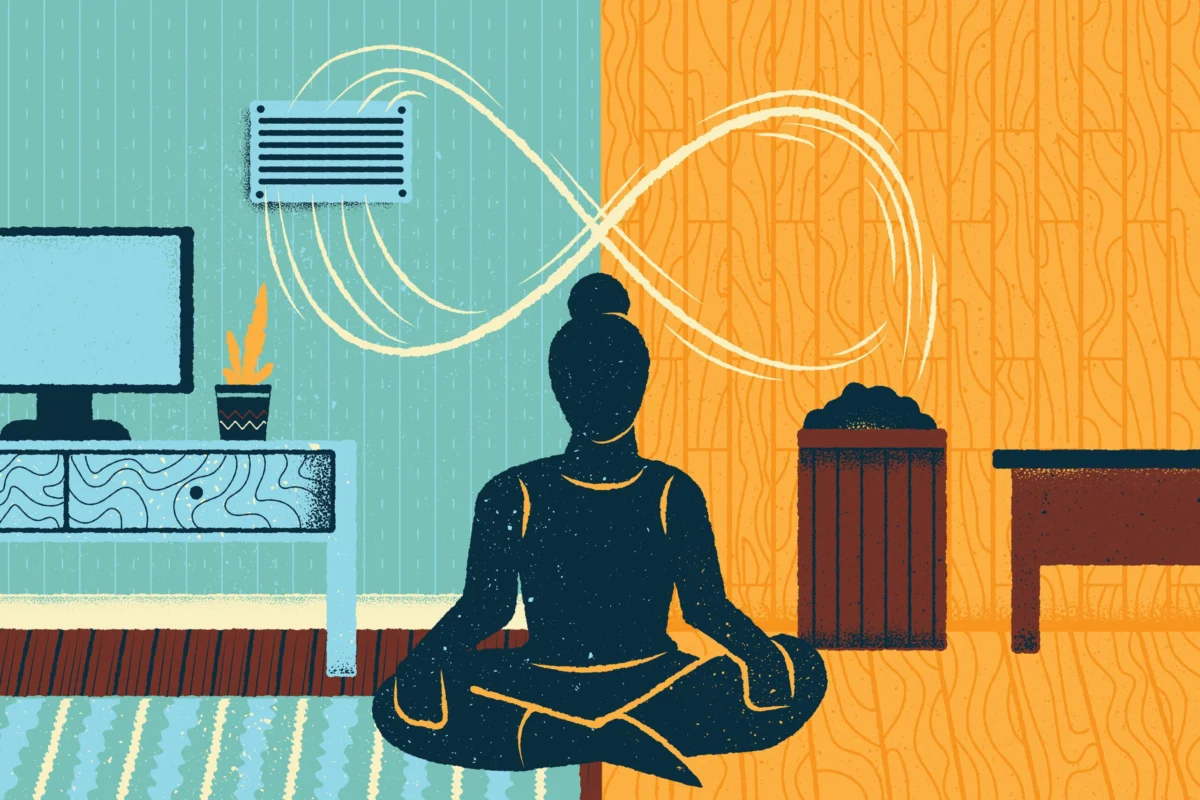
The evolution of the American home has reached a critical inflection point where the traditional boundaries between residential architecture and preventative medicine have effectively dissolved. If 2025 was defined by the explosive popularity of the home sauna—a trend fueled by a surge in heat-therapy research and the aesthetic influence of high-end Nordic and East Asian bathhouses—2026 represents a shift toward a more comprehensive, scientifically backed approach to domestic life. Americans, once hesitant to adopt the rigorous bathing and recovery rituals of South Korea, Russia, and Finland, have moved beyond the "schvitz" as a mere luxury. Today, the residential environment is being reimagined as a proactive tool for extending "healthspan," the period of life spent in good health, rather than just "lifespan." This transformation is driven by a sophisticated arsenal of design practices intended to mitigate the modifiable drivers of aging through intentional, hard-coded environmental changes.
The Scientific Foundation of Longevity Architecture
At the heart of this movement is a fundamental shift in how medical professionals and architects view the domestic sphere. Dr. Andrea Maier, MD, PhD, and founding president of the Healthy Longevity Medicine Society, defines the field as a mission to extend the years in which individuals can pursue their passions with energy and purpose. Her research identifies several "modifiable drivers of aging" that, if left unaddressed within the home, can accelerate biological decline. These include chronic lack of physical activity, poor sleep hygiene, circadian rhythm instability, diminished social connection, and exposure to environmental toxins.
The integration of health-focused design is described by Dr. Mark Hyman, cofounder and chief medical officer of Function, as "hard-coding" healthy behaviors into daily life. Dr. Hyman argues that health outcomes are the cumulative result of thousands of micro-decisions made within one’s environment. Consequently, residential design in 2026 is moving away from purely aesthetic considerations to layouts that make the "healthy choice" the easiest one. In practice, this manifests as open-concept kitchens that prioritize whole-food preparation, centrally located movement studios, and dedicated recovery zones equipped with medical-grade technology.

Chronology of the Wellness Home Evolution
The path to the current longevity-focused residential market has been shaped by several distinct phases over the last decade:
- 2015–2019: The Boutique Fitness Era. Residential amenities were largely limited to "gym rooms" with treadmills and weights, mirroring commercial fitness centers.
- 2020–2022: The Pandemic Pivot. The global health crisis forced a focus on air purification and "sanctuary" spaces, as the home became the primary site for both work and wellness.
- 2023–2024: The Biohacking Surge. Early adopters began installing specialized equipment like red-light therapy panels, cold plunges, and hyperbaric chambers, often as retrofitted additions to existing spaces.
- 2025: The Year of the Sauna. Heat therapy became a mainstream design requirement, with outdoor barrel saunas and integrated infrared suites becoming standard features in high-end renovations.
- 2026: The Longevity Integration. Wellness is no longer an "add-on" but a foundational requirement. Architects now design homes from the ground up to support biological optimization, focusing on non-toxic materials, advanced filtration, and neuroaesthetic principles.
Technical Specifications and Environmental Remediation
Modern longevity design prioritizes the "unseen" elements of the home—specifically air quality, water purity, and material safety. According to the Environmental Protection Agency (EPA), indoor air can be two to five times more polluted than outdoor air, a statistic that has driven a surge in demand for Energy Recovery Ventilator (ERV) systems and whole-home High-Efficiency Particulate Air (HEPA) technology.
Glenda Flaim, managing principal at Butler Armsden Architects, notes that clients are increasingly requesting systems that provide constant fresh air exchange without sacrificing energy efficiency. However, mechanical filtration is only one half of the equation. Jonsara Ruth, executive design director of the Healthy Materials Lab at Parsons School of Design, emphasizes that healthy indoor air begins with the elimination of "off-gassing" materials. This has led to a shift in the specification of materials with large surface areas, such as:
- Mineral-Based Paints: Brands like Alkemis Paint offer zero-VOC, mineral-based options that avoid the chemical odors associated with traditional acrylic paints.
- Formaldehyde-Free Woodwork: Designers are turning to manufacturers like Mafi, Kahrs, and Purebond for flooring and cabinetry that utilize non-toxic adhesives and finishes.
- Natural Plasters: Lime and clay plasters are resurging as popular wall finishes due to their breathability and ability to naturally regulate indoor humidity and inhibit mold growth.
The case of designer Lisa Sternfeld serves as a poignant example of this necessity. After discovering hidden black mold in her Connecticut home was contributing to her toddler’s respiratory issues, Sternfeld performed a complete environmental remediation. By integrating ERV systems and switching to non-toxic materials, she demonstrated how design can serve as a direct intervention for family health.

The Role of High-End Design as a Longevity Lab
The luxury market continues to serve as the testing ground for these technologies. AD100 Hall of Fame designer Kelly Wearstler has transformed her own residence into a "longevity lab," testing materials and wellness protocols before recommending them to her elite clientele. Wearstler reports that her clients are currently obsessed with "recovery loops"—sequenced spaces designed for heat, cold, and light therapy. This includes integrated cold plunge pools, which research suggests can improve metabolic health and immune function, and red-light therapy zones intended to support mitochondrial health and skin rejuvenation.
In Belvedere, California, Butler Armsden Architects recently completed a project that exemplifies the seamless integration of these features. At a 1969 residence overlooking the San Francisco Bay, the firm added an ipe deck featuring a teak spa. The placement was strategic, located in a wind-protected side yard to ensure the outdoor recovery space remained usable year-round, thereby encouraging consistent use of the thermal therapy facilities.
Psychological Wellness: Social Connection and Neuroaesthetics
While technological interventions are vital, the 2026 design landscape also acknowledges the profound impact of social and emotional factors on longevity. Jana Massat Collatz, cofounder of Curious Minds Los Angeles, cites the Harvard Study of Adult Development—the longest-running study on human happiness—which concludes that the quality of social relationships is the strongest predictor of long-term health.
Architectural design is now being used as a tool to foster these connections. This includes "nudge architecture," where layouts encourage family members to gather in "cozy nooks" or shared reading spaces rather than retreating to isolated bedrooms. The goal is to facilitate daily shared rituals that combat the "loneliness epidemic," a condition the U.S. Surgeon General has linked to health risks comparable to smoking 15 cigarettes a day.
.jpg)
On a larger scale, the "Ulyssia" project—a multi-family residential superyacht—represents the pinnacle of this communal longevity model. The vessel incorporates the Chenot Method, a renowned longevity protocol, and applies "Blue Zone" principles to a floating community. George Gaitanos, PhD, explains that the vessel’s shared spaces are informed by neuroaesthetics—the scientific study of how environmental aesthetics affect the brain and body. By balancing lighting, tactile materials, and natural flow, the design aims to lower cortisol levels and improve mental resilience among residents.
Market Implications and the Future of Healthy Housing
The shift toward longevity design is not merely a lifestyle trend but a significant economic driver in the real estate sector. Data from the Global Wellness Institute (GWI) indicates that the wellness real estate market has been one of the fastest-growing sectors of the wellness economy, with a projected annual growth rate exceeding 15% through 2027. Homes with certified wellness features—such as those meeting WELL Building Standards—are commanding higher premiums and faster sales cycles.
As these technologies and materials become more integrated, the industry expects a "trickle-down" effect. While high-end designers like Wearstler and firms like Butler Armsden are currently leading the charge with custom solutions, the mass-market adoption of non-toxic paints, HEPA filtration, and circadian lighting is already underway.
The overarching conclusion among longevity doctors, architects, and materials specialists is clear: the home is the most significant "modifiable environment" in a person’s life. By treating residential design as a strategic ally in the pursuit of health, the industry is moving toward a future where the buildings we inhabit do more than just provide shelter—they actively contribute to our biological vitality. No "magic pill" or biohacking cocktail can replace the long-term benefits of a home designed to support the fundamental pillars of human health: clean air, pure water, restorative sleep, and meaningful social connection.