Nila Kartika Wati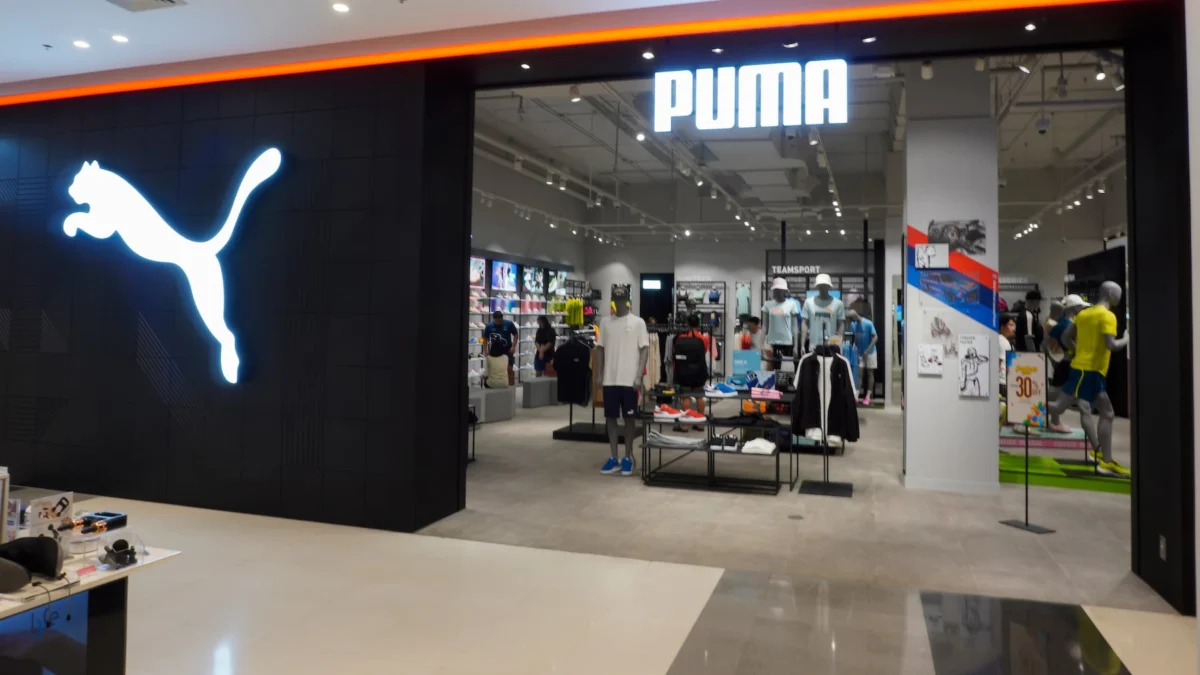
Puma is strategically pivoting to capitalize on lucrative growth opportunities within its core categories of training, football, running, and "sportstyle," with Chief Executive Arthur Hoeld outlining a clear vision for profitable expansion and renewed brand buzz. This strategic recalibration comes as the global sportswear giant navigates a dynamic market landscape, seeking to solidify its competitive position against established rivals and emerging players. The company’s leadership is betting on these specific segments to not only drive revenue but also to reignite consumer interest and strengthen brand affinity.
Strategic Pillars for Growth
Hoeld’s pronouncements highlight a deliberate effort to concentrate resources and marketing efforts on areas where Puma possesses both a strong heritage and significant potential for market share gains. The training category, while currently representing less than 10 percent of Puma’s overall turnover, is earmarked for substantial expansion. This suggests a belief that current market penetration is far from its ceiling, and that with focused investment and product innovation, this segment can become a considerably larger contributor to the company’s bottom line.
The football category remains a perennial cornerstone for sportswear brands, and Puma is no exception. The company has a storied history in the sport, and continued investment in high-profile sponsorships, athlete endorsements, and cutting-edge on-field apparel is expected to yield significant returns. Similarly, the running segment, a foundational area for many athletic footwear and apparel companies, is seen as a key driver for both innovation and consumer engagement. The "sportstyle" category, which bridges the gap between athletic performance and everyday fashion, is also identified as a critical area for generating buzz and attracting a broader consumer base. This segment often leverages heritage designs and collaborations to create desirable lifestyle products.
Background: A Shifting Retail Landscape
Puma’s strategic focus unfolds against a backdrop of significant shifts in the global retail and sportswear industries. Intensifying competition from giants like Nike and Adidas, alongside the rapid ascent of brands like Anta and other regional players, necessitates a clear and differentiated strategy. Consumers are increasingly discerning, demanding not only high-performance products but also brands that align with their values and offer compelling lifestyle appeal.
Furthermore, the digital transformation of retail has accelerated, with e-commerce and direct-to-consumer (DTC) channels becoming paramount. Brands are investing heavily in their online presence, data analytics, and supply chain agility to meet evolving consumer expectations. Economic uncertainties and shifting consumer spending patterns also play a role, making a focused approach to profitable growth even more critical. Puma’s emphasis on specific categories suggests a targeted approach to optimizing marketing spend and product development, aiming for a higher return on investment than a broader, less focused strategy might achieve.
The Training Category: Untapped Potential
The specific mention of the training category as a significant growth engine warrants closer examination. While its current contribution to revenue is modest, the CEO’s confidence suggests a strategic assessment of market opportunities and Puma’s competitive strengths within this domain. The training segment encompasses a wide range of activities, from gym workouts and cross-training to athleisure wear. This broad scope offers multiple avenues for product development, including specialized footwear, apparel designed for various training modalities, and versatile pieces that can transition from the gym to casual wear.
Puma’s investment in this area could involve several key strategies:
- Product Innovation: Developing new technologies and materials for enhanced performance, comfort, and durability in training gear. This might include advanced cushioning systems for footwear, moisture-wicking fabrics, and ergonomic designs for apparel.
- Marketing and Endorsements: Partnering with influential fitness trainers, athletes, and fitness personalities to promote the brand and its training products. This can build credibility and aspirational appeal.
- Retail Presence: Optimizing the in-store and online retail experience to highlight training collections, offering specialized advice and product pairings.
- Community Building: Engaging with fitness communities through events, challenges, and digital platforms to foster brand loyalty and gather consumer insights.
The projected increase in the training category’s contribution to turnover signals a long-term commitment to this segment. This implies a sustained investment in research and development, marketing campaigns, and potentially acquisitions or strategic partnerships that could bolster Puma’s presence in the training market.
Football and Running: Enduring Strengths
The continued emphasis on football and running underscores Puma’s commitment to its heritage and its established market presence in these critical sports. The football category, in particular, is a powerful platform for brand visibility, with major tournaments and club sponsorships generating global attention. Puma’s strategy here likely involves:
- Sponsorship Deals: Securing and maintaining high-profile partnerships with national teams, top-tier clubs, and iconic players. These endorsements provide invaluable exposure and associate the brand with elite performance.
- Product Development: Continuously innovating in football boot technology, jersey materials, and training apparel to meet the demands of professional athletes and amateur players alike.
- Fan Engagement: Creating products and marketing campaigns that resonate with football fans, including merchandise, lifestyle collections, and digital content.
The running segment, a foundational category for athletic brands, is also a crucial area for Puma. This segment is characterized by a strong emphasis on technological advancement and a dedicated consumer base. Puma’s approach in running is expected to involve:
- Performance Footwear: Investing in research and development for running shoes, focusing on areas like cushioning, responsiveness, and stability. This is often driven by data from elite runners and biomechanical studies.
- Apparel and Accessories: Offering a comprehensive range of running apparel, including lightweight, breathable tops and bottoms, as well as accessories like hats, socks, and hydration systems.
- Partnerships and Events: Collaborating with running clubs, organizing or sponsoring running events, and supporting elite marathoners and track athletes to build brand authority and connect with the running community.
Sportstyle: Bridging Performance and Lifestyle
The "sportstyle" category represents Puma’s strategic effort to capture the lucrative market for athleisure and fashion-forward sportswear. This segment leverages the credibility and performance heritage of athletic brands to create products that are desirable for everyday wear. Key elements of Puma’s sportstyle strategy are likely to include:
- Collaborations: Partnering with fashion designers, artists, and cultural influencers to create limited-edition collections that generate buzz and appeal to a fashion-conscious audience.
- Heritage Revival: Reissuing and reinterpreting iconic Puma designs from its archives, tapping into nostalgia and a growing appreciation for vintage sportswear.
- Lifestyle Marketing: Creating marketing campaigns that showcase sportstyle products in urban environments and lifestyle settings, emphasizing their versatility and fashion appeal.
- DTC Focus: Developing dedicated sportstyle collections for its own e-commerce channels and flagship stores, allowing for greater control over brand presentation and customer experience.
Implications and Future Outlook
Puma’s strategic focus on these four key categories suggests a pragmatic approach to resource allocation in a competitive market. By concentrating its efforts, the company aims to achieve greater impact with its marketing investments and accelerate product development cycles. The emphasis on profitable growth indicates a disciplined approach to cost management and a clear understanding of consumer demand for value and quality.
The success of this strategy will hinge on Puma’s ability to execute effectively across its product lines, marketing initiatives, and retail channels. Continued innovation, strong brand partnerships, and an agile response to evolving consumer preferences will be crucial. The company’s ability to generate excitement and loyalty within its chosen categories will ultimately determine its trajectory in the global sportswear arena.
While specific financial projections or detailed timelines for these strategic shifts were not provided in the initial announcement, the clarity of the identified growth pillars offers a strong indication of Puma’s direction. Investors and industry observers will be closely watching Puma’s performance in these key segments to gauge the effectiveness of its revitalized strategy. The sportswear market remains dynamic, and Puma’s focused approach could prove to be a decisive factor in its long-term success.
The Business of Fashion (BoF) is a global platform for the fashion industry, providing agenda-setting intelligence, analysis, and advice. BoF’s content is designed to inform and empower fashion professionals worldwide, covering critical topics from business strategy and market trends to sustainability and leadership.
© 2026 The Business of Fashion. All rights reserved. For more information read our Terms & Conditions.