Nila Kartika Wati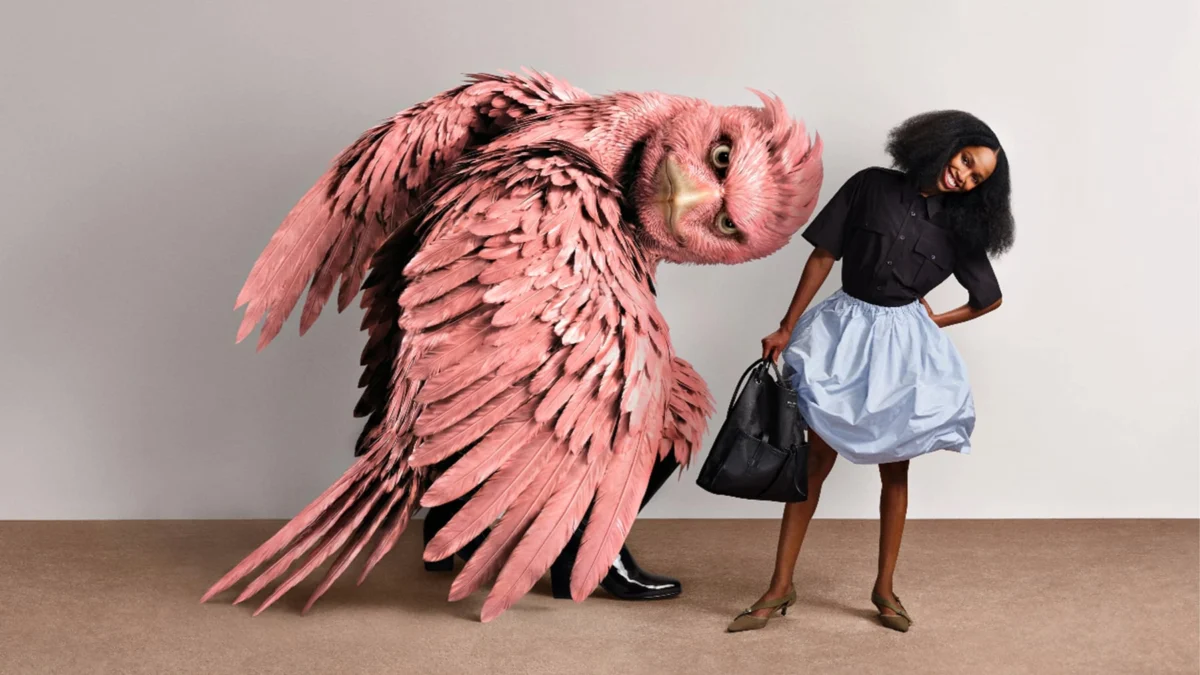
The fashion world is abuzz following the unveiling of Prada’s Spring/Summer 2026 campaign, which features a striking collaboration with artist Jordan Wolfson. The campaign’s visually arresting imagery, particularly the juxtaposition of hyper-realistic models with surreal, digitally rendered elements, has sparked a vigorous online discussion. This reaction, however, is not solely about artistic interpretation; it points to a burgeoning sentiment among online audiences that views artificial intelligence (AI) and the essence of luxury as fundamentally incompatible. The campaign’s unsettling nature has inadvertently tapped into a deeper anxiety about the role of technology in an industry built on human artistry, craftsmanship, and emotional connection.
The Genesis of the Controversy
Prada, a house long synonymous with avant-garde aesthetics and intellectual rigor, has consistently pushed creative boundaries. Their latest campaign, released in early 2026, aimed to do just that by integrating the work of Jordan Wolfson, an artist known for his provocative and often unsettling digital creations. Wolfson’s contribution to the campaign involved the digital manipulation and augmentation of imagery, blurring the lines between the tangible and the artificial. One particularly discussed image depicts a model posed alongside a large, vividly colored, bird-like creature, both rendered with an uncanny resemblance in their lean and posture. This deliberate fusion of human and digital has been interpreted by some as a bold artistic statement, while others have perceived it as a step too far, sacrificing the perceived authenticity that luxury consumers often seek.
The initial reaction on social media platforms and fashion forums was immediate and polarized. While some lauded Prada’s experimental approach and praised the artistic vision, a significant segment of online commentary expressed discomfort and even outright rejection. The term "unsettling" appeared frequently in these discussions, often linked to the perceived artificiality of the campaign’s elements. Many users voiced opinions that the overt use of AI, or AI-like digital manipulation, detracted from the perceived value and human touch associated with a luxury brand like Prada. This sentiment suggests a growing disconnect between the technological advancements being embraced by brands and the expectations of a segment of their audience, particularly within the high-end market.
Timeline of Reactions and Emerging Sentiment
The discourse surrounding Prada’s campaign began to gain significant traction in the weeks following its initial release. Early discussions on platforms like Instagram, X (formerly Twitter), and fashion-focused subreddits primarily centered on the aesthetic merits and artistic intent of the campaign. However, by late January 2026, a discernible shift occurred. A growing number of comments began to explicitly link the perceived "unsettling" nature of the imagery to the use of AI.
Early January 2026: Initial unveiling of the Prada SS26 campaign. Early reactions focus on the artistic collaboration with Jordan Wolfson and the striking visuals.
Mid-January 2026: Social media buzz intensifies. A subset of comments begins to express discomfort with the overtly digital or surreal elements. The term "unsettling" starts to appear more frequently.
Late January 2026: The sentiment solidifies into a broader discussion about AI and luxury. Influencers, bloggers, and online commentators begin to articulate a perceived incompatibility between AI-generated or heavily manipulated content and the values of luxury. Hashtags like #PradaAI and #LuxuryVsAI emerge.
Early February 2026: The debate extends beyond fashion-specific circles, with technology and culture commentators weighing in. Reports in broader media outlets begin to frame the Prada campaign as a case study in the evolving relationship between AI and consumer perception in high-end markets.
This progression indicates that the reaction is not a fleeting trend but a developing opinion that brands, particularly those in the luxury sector, need to acknowledge and potentially address.
Supporting Data: The Growing Influence of AI in Fashion
The debate ignited by Prada’s campaign is occurring against a backdrop of increasing AI integration across the fashion industry. From design and production to marketing and retail, AI is rapidly transforming various facets of the business.
- Design and Trend Forecasting: AI algorithms can analyze vast datasets of fashion trends, social media activity, and consumer behavior to predict upcoming styles and colors. Companies like WGSN have been leveraging AI for years to provide trend intelligence. Reports suggest that by 2025, the global AI in fashion market was projected to reach over $2 billion, with significant growth anticipated in the subsequent years.
- Personalization and Customer Experience: AI-powered chatbots and recommendation engines are enhancing online shopping experiences. Companies are using AI to offer personalized styling advice, virtual try-ons, and tailored product suggestions, aiming to increase customer engagement and conversion rates. Studies indicate that personalized marketing can lead to a 10-15% increase in sales.
- Supply Chain Optimization: AI is being employed to improve efficiency in supply chain management, from inventory control and demand forecasting to optimizing logistics and reducing waste.
- Marketing and Content Creation: While not always explicitly stated, AI tools are increasingly used to generate marketing copy, analyze campaign performance, and even assist in visual content creation, as seen in the Prada campaign. The market for AI-powered marketing solutions is expected to grow substantially, with some projections estimating a CAGR of over 30% between 2024 and 2030.
Despite these advancements, the Prada campaign highlights a crucial point of friction. While AI offers undeniable benefits in efficiency and innovation, its application in the creative and communicative aspects of luxury can be perceived as diminishing the human element that underpins brand value.
Inferred Reactions and Industry Perspectives
While official statements from Prada or Jordan Wolfson directly addressing the "AI incompatibility" sentiment were not immediately available, the broader fashion industry is undoubtedly monitoring this development closely. Industry analysts and observers have offered their interpretations:
- Brand Identity and Authenticity: Some marketing strategists suggest that luxury brands have historically traded on exclusivity, heritage, and an intangible sense of craftsmanship. The perception of AI as a mass-produced, purely functional technology could be seen as antithetical to these core values. A luxury consumer often seeks a narrative of human ingenuity and meticulous attention to detail, qualities that AI, in its current public perception, may struggle to embody.
- The "Uncanny Valley" Effect: The discomfort expressed by some viewers could be related to the psychological phenomenon known as the "uncanny valley," where near-human replicas can evoke feelings of unease or revulsion. In the context of fashion advertising, this could translate to an aversion to imagery that is too close to human reality but demonstrably artificial, particularly when it aims to convey aspirational qualities.
- Artistic Intent vs. Public Perception: Fashion houses often engage in collaborations with artists to push creative boundaries and generate conversation. It’s possible that the intention was to provoke precisely this kind of dialogue. However, the negative sentiment suggests that the execution may have inadvertently highlighted a sensitive area in how technology is perceived within the luxury sphere. The success of such campaigns often hinges on balancing innovation with the audience’s core expectations.
Broader Impact and Implications for Luxury Brands
The Prada campaign’s reception has significant implications for the future of marketing and brand communication in the luxury sector.
- The Need for Transparency and Nuance: Brands may need to be more transparent about their use of AI and digital technologies, explaining the rationale and emphasizing the human oversight involved. Simply deploying AI-generated content without context could alienate consumers who value authenticity. The distinction between AI as a tool for enhancement and AI as a replacement for human creativity will be critical.
- Re-evaluating the Role of AI in Creative Campaigns: This incident prompts a reconsideration of where AI is best utilized within a luxury brand’s communication strategy. While AI can excel in data analysis, personalization, and operational efficiency, its role in front-facing creative content might require a more delicate approach. The emphasis could shift towards AI as an assistive technology for human artists and designers, rather than a direct content generator that risks appearing soulless.
- Defining "Luxury" in the Digital Age: The debate forces a re-examination of what constitutes "luxury" in an increasingly digitized world. Is it solely about material quality and exclusivity, or does it encompass the narrative of human endeavor, artistic passion, and authentic emotional connection? If the latter, then the integration of technologies that appear to automate or depersonalize these aspects could be detrimental.
- Consumer Education and Brand Trust: Brands that successfully navigate this evolving landscape will likely be those that can educate their audience about the responsible and innovative use of technology, fostering trust rather than suspicion. This could involve showcasing the human artisans and creative directors who leverage AI as part of their process, rather than presenting AI as an autonomous entity.
In conclusion, Prada’s Spring/Summer 2026 campaign, while artistically ambitious, has inadvertently illuminated a significant undercurrent of concern within online audiences regarding the perceived incompatibility of AI with the core tenets of luxury. As AI continues its pervasive integration across industries, luxury brands face the complex challenge of balancing technological innovation with the enduring human desire for authenticity, craftsmanship, and emotional resonance. The ongoing dialogue initiated by this campaign will undoubtedly shape how luxury brands approach their creative and communicative strategies in the years to come, underscoring the critical need for thoughtful integration and transparent communication in the digital age.