Ferry Irwandi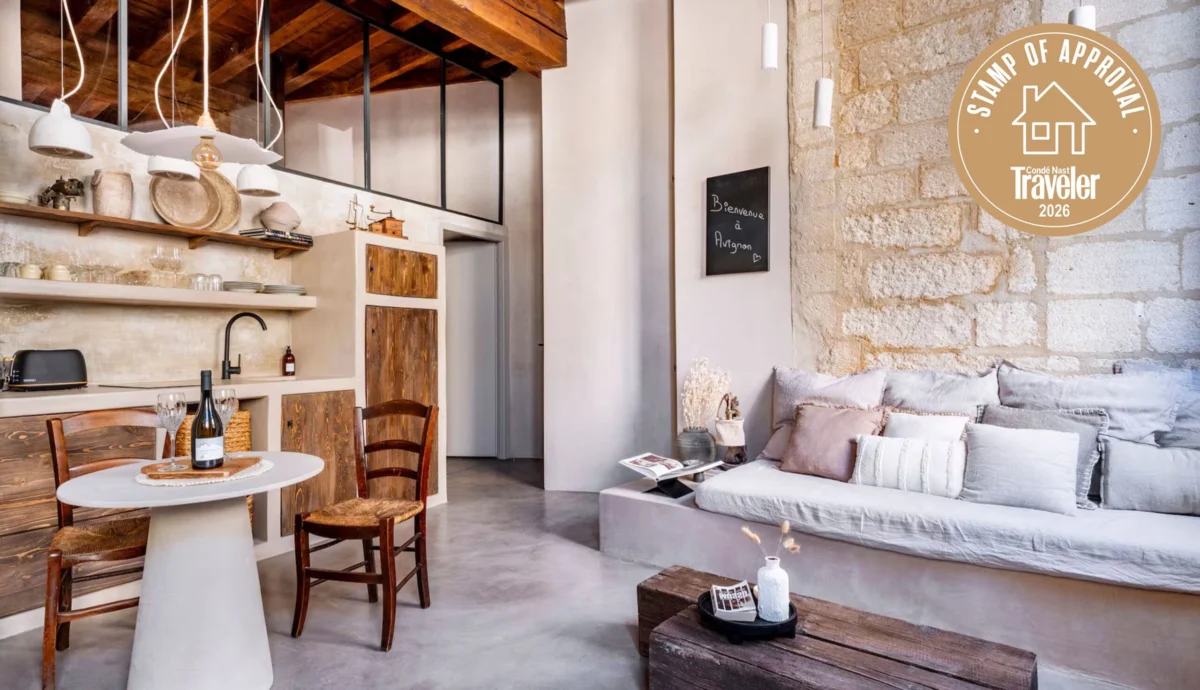
The mistral, a katabatic wind characterized by its relentless speed and chilling temperatures, remains one of the most significant meteorological influences on the Provence-Alpes-Côte d’Azur region of France. Originating in the Massif Central and accelerating through the Rhône Valley toward the Mediterranean, this northwesterly wind can reach sustained speeds exceeding 40 miles per hour, with gusts frequently recorded at much higher velocities. For the regional tourism industry, the mistral represents both a challenge and a defining cultural element. While it is credited with clearing the atmosphere to produce the "legendary light" that inspired painters such as Vincent van Gogh and Paul Cézanne, it also poses a formidable obstacle for travelers venturing into the South of France during the late autumn and winter months.
In November, a period traditionally considered the "low season" for Provençal tourism, the region experiences a significant shift in visitor demographics and behavior. While summer attracts millions seeking the lavender fields and Mediterranean beaches, the offseason appeals to a specific cohort of travelers: those prioritizing cultural immersion, lower costs, and the absence of peak-summer crowds. However, as recent reports from the Vaucluse department suggest, offseason travel requires a higher degree of adaptability, particularly when the mistral peaks, forcing a transition from outdoor exploration to indoor-centric itineraries.
The Meteorological and Cultural Context of the Mistral
The mistral is not merely a weather event; it is a structural force in Provencal life. Historically, the wind has dictated the orientation of farmhouses (mas), which are traditionally built facing south with windowless northern walls to withstand the wind’s pressure. In contemporary terms, the mistral’s impact on travel logistics is profound. High-speed rail services, such as the TGV Méditerranée which connects Paris to Avignon in under three hours, remain operational, but the transition from the climate-controlled environment of the train to the exposed platforms of the Avignon TGV station often serves as a jarring introduction to the region’s winter climate.
Meteorological data indicates that the mistral can blow for several days consecutively, with traditional folklore suggesting it lasts in increments of three (three, six, or nine days). During these periods, the wind chill factor significantly reduces the perceived temperature, making prolonged outdoor activities difficult. This environmental reality has fueled the demand for high-quality, "lifestyle-oriented" accommodations that serve as more than just a place to sleep, but rather as a functional sanctuary for "slow travel."
Chronology of an Offseason Arrival
The experience of a typical offseason traveler in Avignon often begins with the arrival at the Gare d’Avignon TGV. In a recent case study of November travel, the transition from the station to the historic center—the intra-muros—highlighted the immediate impact of the wind. Upon arrival, travelers are often forced to recalibrate their expectations. Planned excursions to the wine cellars of Châteauneuf-du-Pape or the harbor of Marseille are frequently postponed as the mistral’s intensity dictates a more localized, indoor-focused schedule.

For those staying within the medieval walls of Avignon, the first 48 to 72 hours of a mistral event typically involve a retreat to residential quarters. This "forced stillness" has contributed to the rise of premium short-term rentals that emphasize domestic comfort. The focus shifts from the external sights of the city to the internal amenities of the accommodation, such as climate control systems, high-speed internet for remote work, and modern kitchen facilities that allow for the preparation of local goods sourced from indoor markets.
The Evolution of Boutique Accommodations: A Case Study in Avignon
As the short-term rental market in France faces increasing regulation, there has been a notable shift toward "boutique" offerings that blend historical preservation with 21st-century utility. A prime example is found in the heart of Avignon’s historic center, where renovated apartments are increasingly designed to cater to the "digital nomad" and the offseason cultural tourist.
These accommodations often feature architectural elements unique to the region, such as:
- Limestone Walls: Utilizing local stone that provides natural thermal mass.
- Exposed Timber Ceilings: Preserving the dark wood aesthetics of the 14th and 15th centuries.
- Modern Thermal Infrastructure: The integration of reversible air conditioning and heating systems, which are essential for maintaining comfort when the mistral lowers indoor temperatures.
In terms of functionality, the "modern" Provencal flat now incorporates high-tech amenities that were once the sole province of luxury hotels. Induction stovetops, Nespresso machines, and integrated streaming capabilities (such as Chromecast) have become standard requirements for travelers who find themselves "wind-bound." Furthermore, the layout of these spaces—often located in buildings without elevators, where the "first floor" (le premier étage) corresponds to the second floor in American terminology—reflects the vertical density of Avignon’s ancient urban fabric.
Avignon as the "City of the Popes": Historical and Cultural Anchors
When the mistral subsides and the sunlight returns, the strategic value of staying in Avignon’s center becomes clear. Known as the Altera Roma (the Other Rome), Avignon served as the seat of the Catholic Holy See from 1309 to 1377. This period, often referred to as the "Babylonian Captivity of the Papacy," left an indelible mark on the city’s architecture and international standing.
The Palais des Papes, one of the largest and most important medieval Gothic buildings in Europe, remains the city’s primary draw. For the offseason traveler, the proximity of centrally located rentals to the Palace allows for short, targeted visits between wind gusts. Other key sites within walking distance include:

- The Jardin des Doms: Offering panoramic views of the Rhône Valley, though highly exposed during wind events.
- The Pont d’Avignon (Pont Saint-Bénézet): The surviving four arches of the 12th-century bridge, immortalized in the song "Sur le Pont d’Avignon."
- The Basilique Saint-Pierre: A representative example of Provencal Gothic architecture dating back to 1358.
The Role of Indoor Markets and Gastronomy
The offseason travel model relies heavily on the region’s indoor infrastructure. Les Halles d’Avignon, a historic covered market, serves as a vital resource during the mistral. With dozens of vendors selling local produce, AOC wines, and artisanal cheeses, it provides a sheltered environment where the "gastronomic theater" of Provence continues regardless of the weather.
Local culinary establishments have also adapted to the seasonal shift. Restaurants such as Casa Bronzini and Le Petit Comptoir emphasize hearty, seasonal fare—such as roasted meats and rich bistro burgers—that cater to the appetites of those braving the cold. The rise of "work-friendly" cafes like Coffeecina, which offer co-working spaces alongside traditional breakfast options, further illustrates the city’s adaptation to a year-round visitor economy.
Supporting Data and Economic Implications
Tourism statistics for the Provence region indicate a growing interest in the "shoulder" and "low" seasons. According to data from the regional tourism board (CRT Provence-Alpes-Côte d’Azur), the diversification of the tourism calendar is a key strategic priority to mitigate the environmental impact of over-tourism in July and August.
- Occupancy Trends: While hotel occupancy in Avignon peaks at nearly 85% in July during the Festival d’Avignon, November occupancy typically hovers around 45-50%. This creates a price advantage for travelers, with luxury rentals often available at 30-40% below peak rates.
- Climate Resilience: The increasing frequency of extreme summer heatwaves in Southern Europe is driving a segment of the market toward the cooler autumn months, despite the risk of the mistral.
- The "Hygge" of the South: Analysts suggest that a new "indoor Provencal aesthetic" is emerging, focusing on the French concept of bien-être (well-being). This mirrors the Scandinavian trend of "hygge," emphasizing coziness and domestic solace as a response to harsh outdoor conditions.
Broader Impact and Conclusion
The experience of navigating Avignon during a mistral event highlights a fundamental shift in the travel industry: the move from "ticking boxes" to "experiencing atmosphere." When the weather prevents traditional sightseeing, the quality of the domestic environment becomes the primary determinant of a trip’s success. The renovation of historic flats into high-functioning, stylish residences is not just an aesthetic choice but an economic necessity for a city that seeks to remain a premier global destination throughout the year.
For the modern traveler, the mistral is no longer a reason to avoid the South of France in the offseason. Instead, it is an invitation to witness the region in its most authentic and rugged state. By choosing well-appointed, centrally located accommodations that honor the city’s history while providing contemporary comforts, visitors can find solace in the "City of the Popes," turning a meteorological challenge into an opportunity for quiet reflection and cultural discovery. As Avignon prepares for future seasons—including the highly anticipated reopening of renovated landmarks like the Hôtel de l’Horloge in 2026—the focus remains on balancing the timeless allure of Provence with the practical demands of the 21st-century traveler.