Kang Muslim
The Modern Context of Psychedelic Research
Classic psychedelics, primarily lysergic acid diethylamide (LSD), psilocybin (the active component in "magic mushrooms"), and mescaline, operate by agonistically interacting with serotonin receptors in the brain, particularly the 5-HT2A subtype. For decades, these substances were relegated to the fringes of scientific inquiry due to strict regulatory hurdles and a cultural stigma rooted in the mid-20th century. However, the last decade has seen a "psychedelic renaissance," with prestigious institutions like Johns Hopkins University and Imperial College London spearheading clinical trials for treatment-resistant depression, post-traumatic stress disorder (PTSD), and end-of-life anxiety.
Despite the clinical momentum, a significant portion of the population consumes these substances outside of medical supervision. This recreational or "naturalistic" use has remained understudied, leading to a gap in public health knowledge regarding the long-term safety of sporadic consumption. The study led by Simon Reiche aims to address this gap by shifting the focus from the high-dose, controlled environment of a laboratory to the varied, real-world patterns of use prevalent in urban populations today.
A History of Conflicting Scientific Narratives
The scientific community’s understanding of psychedelics and the brain has undergone several radical shifts. In the 1950s and 60s, early research suggested that psychedelics could be revolutionary tools for psychiatry. This era was abruptly halted by the "War on Drugs" and the 1971 United Nations Convention on Psychotropic Substances, which classified these compounds as Schedule I—substances with a high potential for abuse and no recognized medical value.
During the late 20th century, some studies suggested that heavy use of psychedelics could lead to chromosomal damage or permanent cognitive "burnout." However, modern re-evaluations of these papers have often found them to be methodologically flawed, failing to account for polydrug use, pre-existing mental health conditions, or the purity of the substances used. Conversely, studies of indigenous groups who use peyote or ayahuasca in ritualistic settings have often shown neutral or even slightly positive cognitive outcomes. These ritualistic users, however, operate within strict cultural frameworks that manage dosage and set/setting, which may not reflect the experiences of a typical recreational user in a Western city.
Study Methodology and Participant Profiles
To capture a snapshot of contemporary use, Reiche and his colleagues recruited 136 participants between the ages of 18 and 50. The cohort was divided into 84 individuals who had a lifetime history of psychedelic use and 52 control subjects who had never used them. Recognizing the complexity of real-world drug use, the researchers did not seek "pure" users who only consumed psychedelics. Instead, they allowed for the inclusion of participants who used other recreational substances, such as cannabis or alcohol, provided the use was not at a level indicating a clinical disorder.
To ensure the integrity of the baseline cognitive testing, all participants were required to abstain from any psychoactive substances for at least two weeks prior to the assessment. This "washout" period was critical to ensure that the results reflected long-term cognitive traits rather than the acute after-effects of recent substance use.
The researchers utilized a "matched-pair analysis" for a subset of the data. They took 30 individuals from the psychedelic group who had used the drugs at least ten times and matched them with 30 control subjects of similar age, sex, education level, and cannabis use history. This rigorous statistical control was designed to isolate the effects of the psychedelics from other lifestyle variables that might influence brain health.
Key Findings: The Cognitive Flexibility Advantage
The primary finding of the study was that psychedelic users performed just as well as non-users across almost all cognitive domains. There were no significant deficits in attention, visuospatial memory, or general processing speed. This effectively counters the historical narrative that occasional psychedelic use leads to a general decline in mental acuity.
However, the most striking result emerged from the Wisconsin Card Sorting Test (WCST), a gold-standard assessment for executive function and cognitive flexibility. In this test, participants must sort cards according to rules (such as color, shape, or number) that change periodically without warning. The participant must realize the rule has changed through trial and error and then shift their strategy accordingly.
The data revealed that psychedelic users made significantly fewer "perseverative errors"—the tendency to stick to an old rule even after it has been proven wrong. This suggests a heightened level of cognitive flexibility, or the ability to adapt one’s thinking and behavior in response to a changing environment. Furthermore, the researchers identified a dose-response relationship: those with a higher number of lifetime psychedelic experiences tended to perform better on the WCST, suggesting that the observed effect might be related to the cumulative impact of these experiences.
Neurobiology and the Mechanism of Plasticity
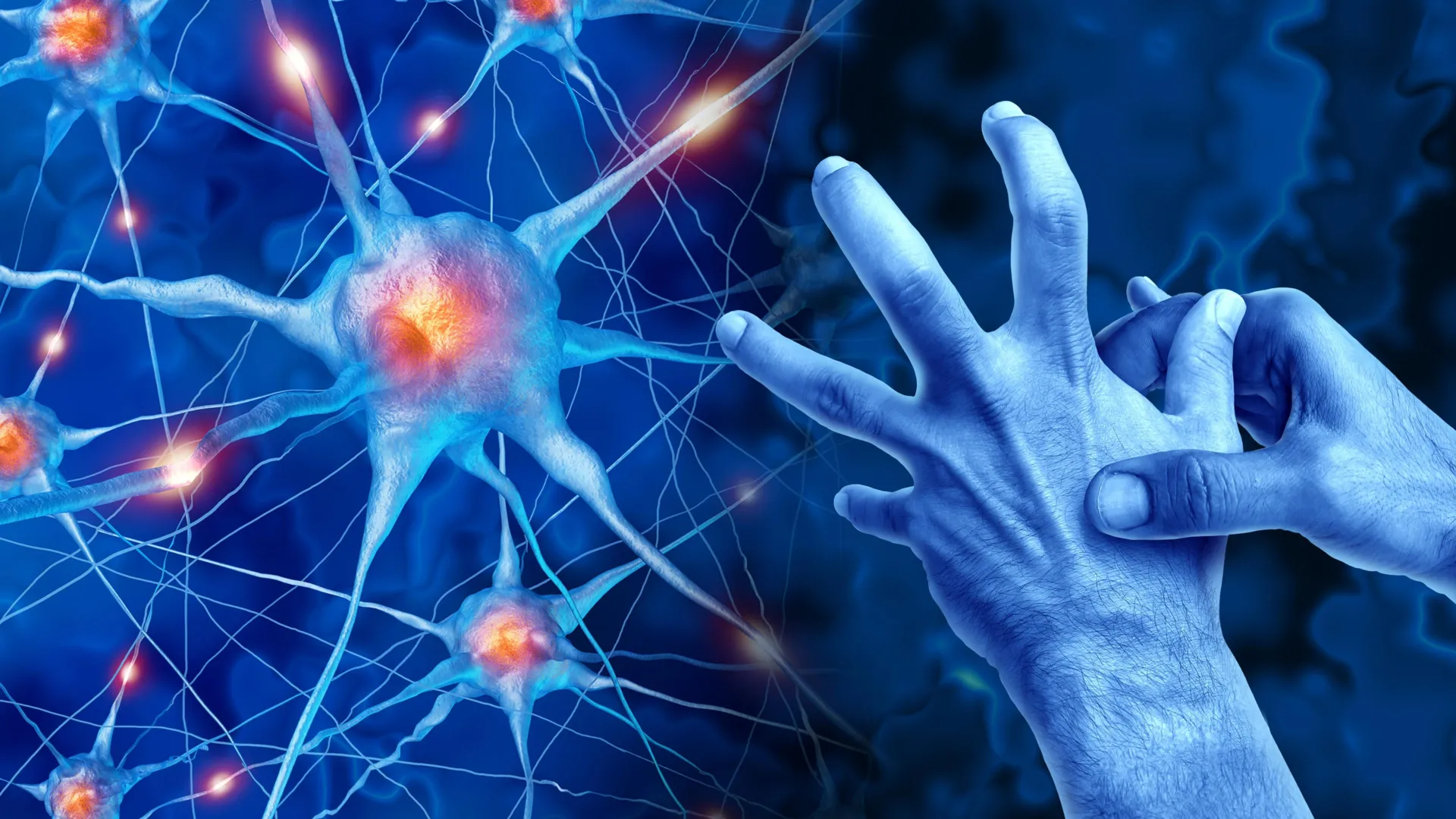
The researchers hypothesize that the link between psychedelic use and cognitive flexibility is rooted in the biological phenomenon of neuroplasticity. When classic psychedelics activate 5-HT2A receptors, they trigger a cascade of intracellular signaling that promotes the expression of Brain-Derived Neurotrophic Factor (BDNF). BDNF is a protein that supports the survival of existing neurons and encourages the growth of new synapses and dendrites—the "branches" of nerve cells that facilitate communication.
In animal models, even a single dose of a psychedelic compound has been shown to rapidly increase the complexity of dendritic trees in the prefrontal cortex, the area of the brain responsible for executive function. By potentially "opening" a window of increased plasticity, psychedelics may allow the brain to move out of rigid, repetitive patterns of thought. This biological unconstrained state aligns with the psychological flexibility observed in the participants of the Charité study.
Implications for Mental Health and Public Policy
The discovery that psychedelic users exhibit superior cognitive flexibility has profound implications for psychiatry. Mental rigidity is a defining characteristic of several difficult-to-treat conditions, including:
- Major Depressive Disorder: Where patients are often "locked" into negative thought loops.
- Anorexia Nervosa: Characterized by rigid behavioral patterns and distorted self-perception.
- Substance Use Disorders: Where the brain becomes hyper-focused on the acquisition and consumption of a specific substance to the exclusion of all else.
If psychedelics can foster flexibility, they may serve as a "biological reset," allowing individuals to break free from these maladaptive patterns. This study provides a bridge between the clinical observations of rapid recovery in therapy and the underlying cognitive architecture of the users.
From a public health perspective, the study suggests that the "risk profile" for sporadic psychedelic use may be lower than previously feared regarding cognitive health. As cities and states in the U.S. and Europe move toward decriminalization or regulated access, data indicating a lack of long-term cognitive impairment will likely play a central role in policy debates.
Limitations and the Path Forward
While the results are promising, the researchers emphasized several critical limitations. The study was cross-sectional, meaning it captured data at a single point in time. This creates a "chicken or egg" dilemma: does using psychedelics make a person more flexible, or are naturally flexible, open-minded people more likely to experiment with psychedelics? Only longitudinal studies, which follow participants over several years, can definitively answer this question.
Additionally, the study relied on self-reported data for drug history. Human memory is fallible, and participants may have over- or under-estimated their lifetime use. The lack of laboratory verification for the purity and dosage of the substances consumed also introduces a variable that is difficult to control in naturalistic research.
Finally, the study population was largely composed of highly educated, urban young adults. While this demographic is representative of a large segment of current psychedelic users, the findings may not generalize to older populations or those with lower educational backgrounds.
Conclusion
The study by Simon Reiche and his team marks a significant contribution to the evolving science of neuropsychopharmacology. By demonstrating that sporadic use of LSD and psilocybin is not associated with cognitive decline and is linked to enhanced mental adaptability, the research challenges long-held stigmas and provides a foundation for future longitudinal inquiries. As society continues to re-evaluate its relationship with these potent compounds, such evidence-based analyses will be essential for balancing the potential benefits of psychedelics with a realistic understanding of their long-term impact on the human mind. The findings suggest that for the modern user, the "trip" may leave behind a more adaptable brain, capable of navigating the complexities of an ever-changing world with greater ease.