Ali Ikhwan
The aftermath of a first date often triggers a period of intense reflection and analysis, leaving individuals questioning the true nature of the interaction. Despite the pervasive tendency to overthink every glance, word, and silence, observable and often science-backed indicators can provide clarity on whether a first encounter was genuinely successful or merely a polite social engagement. Understanding these signals can empower individuals to move beyond post-date anxiety and make informed decisions about pursuing a connection.
The Foundation of Connection: Initial Impressions and Subconscious Cues
The initial moments of a first date are crucial, as human beings are wired to make rapid assessments of compatibility and safety. This immediate evaluation often operates on a subconscious level, manifesting as a feeling of comfort or unease. When a date begins with an immediate sense of ease, where one’s guard naturally drops, it signals a positive foundational interaction. Psychologists suggest that our gut instincts, refined through evolutionary processes, are adept at picking up subtle cues that indicate whether an individual poses a threat or offers a sense of security and potential rapport. A smooth transition into comfort, devoid of palpable awkwardness, is a strong initial indicator of mutual success.

Complementing this internal comfort, overt non-verbal cues serve as powerful communicators of positive engagement. Genuine laughter and frequent smiling, particularly when unforced and reciprocated, are strong indicators of enjoyment and connection. Laughter, a universal social lubricant, signals shared humor and a relaxed atmosphere, often releasing endorphins that foster a sense of well-being. When both parties exhibit a "face ache from smiling," it transcends mere politeness, signifying a truly enjoyable experience.
Positive body language further reinforces these observations. Open postures, such as uncrossed arms, leaning in towards the other person, and mirroring their movements, are subconscious signals of interest and receptiveness. Conversely, closed-off postures—slouching, averted gaze, or crossed arms—often suggest disinterest or discomfort. Researchers in non-verbal communication, such as Albert Mehrabian, have long highlighted the significant role of body language in conveying attitudes and feelings, often outweighing verbal content. When individuals naturally gravitate towards each other, physically and emotionally, it indicates a burgeoning connection.
In the contemporary dating landscape, the absence of digital distraction is a critical sign of engagement. The inclination to check one’s phone often arises from boredom or discomfort. If both individuals remain fully present, without succumbing to the urge to scroll social media or respond to messages, it underscores a mutual absorption in the conversation and the company. This undivided attention signifies respect and a genuine desire to connect with the person across from them, rather than seeking external stimulation.
Deepening Rapport: Conversational Dynamics and Emotional Engagement

Beyond initial comfort, the quality of conversation stands as a cornerstone of a successful first date. A hallmark of a promising encounter is when dialogue flows effortlessly, characterized by an absence of prolonged, awkward silences. This conversational fluency suggests a natural rapport and shared intellectual or emotional wavelengths. As noted by Aron, A., et al. (1997) in "The Experimental Generation of Interpersonal Closeness," the more both individuals share openly during a first date, the greater the likelihood of building intimacy and connection. This mutual self-disclosure, moving beyond superficial topics, is instrumental in fostering a deeper bond.
Genuine interest is demonstrated through reciprocal questioning. A truly engaging conversation involves both parties asking questions and actively listening to the responses, rather than one person monopolizing the dialogue or simply waiting for their turn to speak. This mutual curiosity reflects an authentic desire to understand the other person’s perspectives, experiences, and personality. When questions delve beyond surface-level inquiries and elicit thoughtful, detailed answers, it indicates a higher level of engagement and an investment in the burgeoning connection.
The willingness to share aspects of one’s personal life further signals a growing trust and comfort. Discussions involving family, close friends, personal anecdotes, or aspirations indicate a move beyond polite generalities into more vulnerable territory. This level of self-disclosure is a key component of social penetration theory, which posits that relationships develop through gradual, reciprocal revelation of personal information. When a date feels comfortable enough to share intimate details, it suggests they perceive the other person as trustworthy and potentially a significant presence in their life.
Crucially, emotional attunement is a powerful predictor of romantic potential. This refers to the ability to notice, understand, and respond appropriately to another person’s emotional state. As highlighted by Campos, B., et al. (2015) in their research on "Awareness and responsiveness to others’ positive emotion experience and display," individuals who are emotionally attuned are more present, responsive, and capable of building intimacy from the very first date. If a date notices a shift in mood, asks how one is feeling, or demonstrates empathy and excitement congruent with one’s own energy, it signifies a deep level of perceptive engagement that is foundational for a robust emotional connection.

Forecasting the Future: Extending the Encounter and Future-Oriented Cues
One of the most concrete indicators of a successful first date is its organic extension beyond the initially planned duration. Nobody willingly prolongs an uncomfortable or uninteresting encounter. If the date stretches longer than anticipated, or if both parties spontaneously suggest continuing the evening at another venue—such as moving from dinner to a bar, or from coffee to a walk—it unequivocally signals mutual enjoyment and a desire for more interaction. This unforced extension speaks volumes about the quality of the connection and the desire to remain in each other’s company. Aron et al. (2000) further explored "The Role of Shared Novel Experiences in Relationship Development," suggesting that new, shared activities can accelerate intimacy, and extending a date spontaneously fits this paradigm.
Subtle references to future interactions are also strong positive indicators. While casual mentions like "we should do that sometime" can sometimes be generic, if these comments are made in conjunction with other positive signs, and particularly if they involve specific activities or places ("You like hiking? We should definitely check out that trail next weekend."), they become powerful signals of genuine interest in a second date. These forward-looking statements demonstrate that the individual is already envisioning a shared future, however nascent, with the other person.
The creation of "us" jokes or shared inside references during a first date is a unique and telling sign of developing intimacy. These small, exclusive moments—a shared laugh over an observation, a comical nickname, or a reference to a humorous incident during the date—establish a nascent shared history. Such shared humor and unique common ground foster a sense of exclusivity and connection, hinting at a potential deepening of the relationship.

Confirming the Connection: Post-Date Signals
The period immediately following a first date offers additional critical insights into its success. Prompt follow-up communication, particularly within 24 hours, is a strong positive signal. While the "three-day rule" was once a conventional guideline, modern dating often sees more immediate communication, reflecting heightened interest and enthusiasm.
However, the quality of this post-date communication is as important as its timing. Texts that carry emotional energy and specificity, rather than generic pleasantries, are highly indicative of a strong impression. If a message states, "I really enjoyed talking to you about [specific topic]" or "I can’t stop thinking about our conversation about [shared interest]," it demonstrates emotional presence and that the interaction made a real impact. This contrasts sharply with short, dry replies like "yeah, it was nice" or "cool meeting you," which often signal a lack of deeper engagement. Research by Ireland et al. (2011) on "Language Style Matching Predicts Relationship Initiation and Stability" highlights how synchronized linguistic patterns can predict relationship success, suggesting that emotionally resonant and specific language post-date reflects a deeper connection.
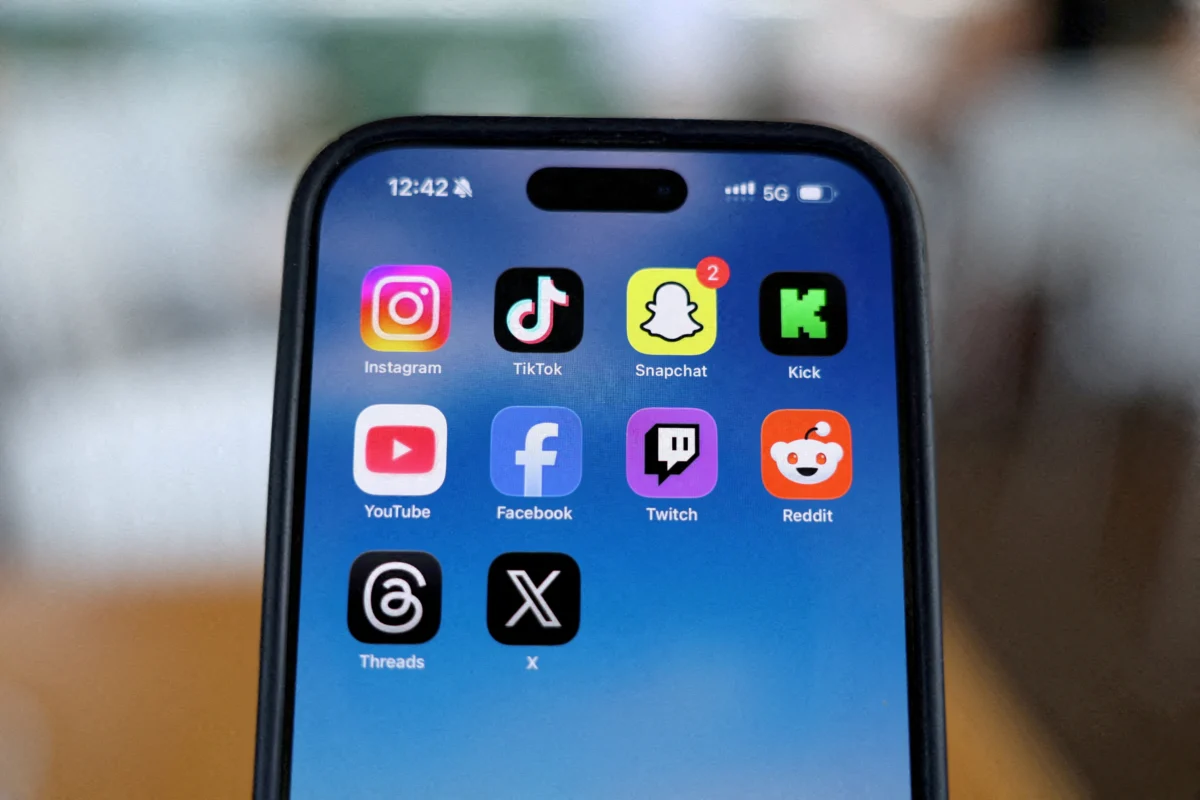
In the digital age, social media interaction also serves as a telling post-date indicator. If one or both parties initiate a follow or connection on platforms like Instagram, Facebook, or Snapchat shortly after the date, it suggests a desire for continued, albeit informal, engagement and a sustained interest in the other person’s life. This digital extension of the interaction often precedes or accompanies plans for a second in-person meeting.

Ultimately, the most straightforward confirmation of a good first date is the mutual, undeniable desire for a second one. If both individuals express enthusiasm for meeting again, either explicitly or through their actions (such as prompt follow-up and future-oriented discussions), it signifies a successful initial encounter with promising potential.
The Indispensable Self-Assessment: Your Own Experience
While external signs from the date are invaluable, the most critical assessment often comes from within. How did you feel during and after the date? An immediately comfortable feeling, an uncontrollable smile when recalling moments, or a sense of "butterflies" in the stomach are powerful subjective indicators. The absence of post-date anxiety—the endless overthinking and spiraling—and instead a feeling of calm excitement, suggests a genuinely positive experience.
Furthermore, the ability to be authentically oneself during the date is paramount for a healthy potential relationship. If one felt no need to perform, impress, or alter their personality, it signifies a comfortable and accepting environment. This authenticity is the bedrock upon which genuine connections are built.

Finally, the non-negotiable aspect of any positive interaction is mutual respect and kindness. Irrespective of romantic potential, if a date consistently exhibited respect, courtesy, and genuine kindness, it guarantees a positive experience, even if a second date does not materialize. This foundational decency is crucial for personal well-being and establishing healthy relationship patterns.
Broader Implications for Modern Dating
In an era often characterized by fleeting connections and digital ambiguity, understanding these objective and subjective signs provides a vital framework for navigating the complexities of modern dating. By focusing on observable behaviors, conversational dynamics, emotional cues, and one’s own authentic feelings, individuals can move beyond the anxieties of uncertainty. This analytical approach, grounded in psychological insights, empowers daters to interpret interactions more accurately, fostering greater confidence in pursuing promising connections and gracefully disengaging from those that lack genuine potential. Ultimately, a successful first date, identified through a confluence of these signs, lays the groundwork for meaningful relationship development, offering a hopeful beginning in the search for genuine companionship.
First dates don’t come with reviews, but your body, vibe, and their behavior are already telling you the truth. If you saw a few of these signs? That probably wasn’t just a good date, it was the start of something real. So quit spiraling, trust what you felt, and maybe start getting excited for round two.