Ferry Irwandi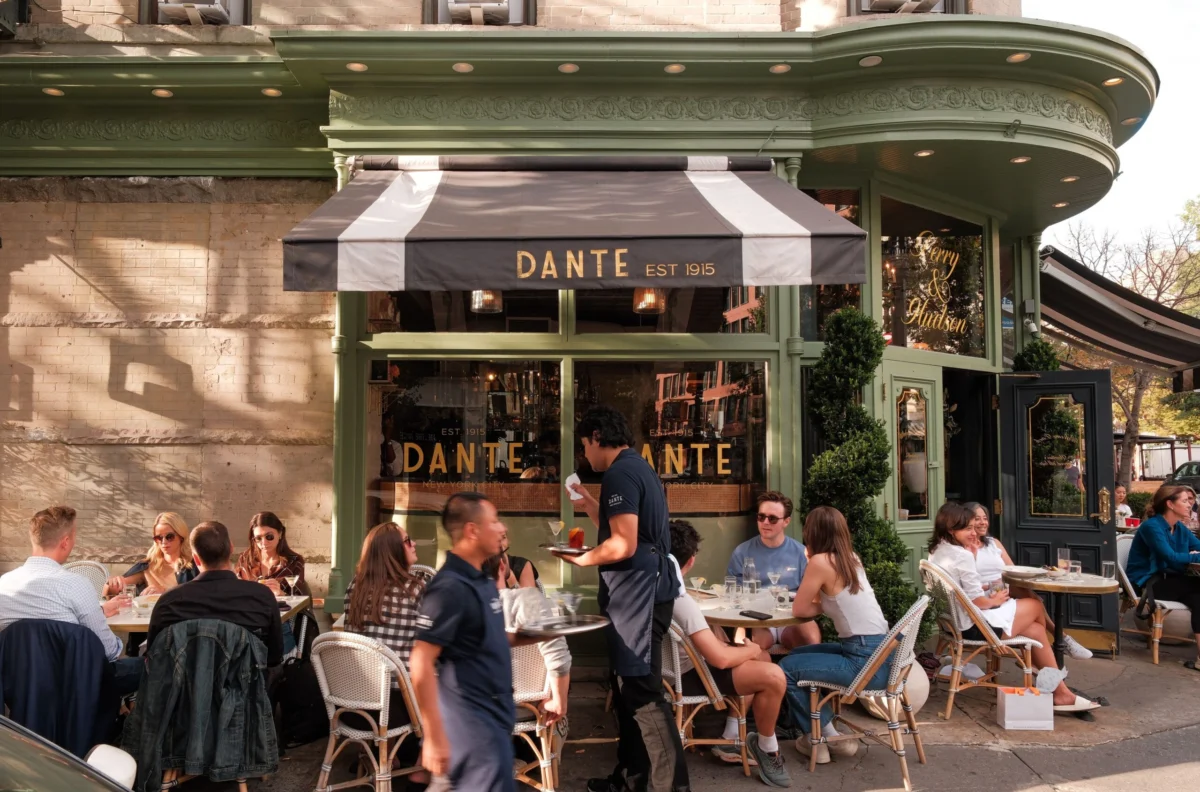
As the thermometer in New York City reaches the critical 65-degree threshold, the city’s hospitality sector is undergoing its annual metamorphosis, transitioning from the enclosed, intimate settings of winter to the expansive, high-visibility world of alfresco dining. This seasonal shift, long a staple of New York culture, has taken on renewed economic and regulatory significance in 2024 and 2025. With the implementation of the "Dining Out NYC" permanent program and the aggressive expansion of third-party reservation platforms like DoorDash into the premium booking space, the landscape of outdoor eating is being redefined by a mixture of legislative compliance and technological integration.
The arrival of spring weather traditionally triggers a surge in consumer demand for patio and sidewalk seating, a phenomenon that restaurant operators now view as a vital revenue stream rather than a seasonal luxury. This year, the stakes are higher as the city moves away from the makeshift "streeteries" of the pandemic era toward a more regulated, aesthetic, and standardized outdoor dining infrastructure. Simultaneously, the digital infrastructure supporting these physical spaces is evolving. DoorDash Reservations has recently scaled its services to offer exclusive tables and peak-time slots across 13 major U.S. markets, including New York City, signaling a direct challenge to established incumbents like Resy and OpenTable.
.jpg)
The Evolution of New York City’s Outdoor Dining Regulations
To understand the current state of outdoor dining in the Big Apple, one must examine the rapid regulatory shifts that have occurred over the last five years. Prior to 2020, sidewalk cafes were a relatively rare sight, governed by stringent zoning laws and expensive licensing fees that limited participation to a small fraction of the city’s 25,000+ eating establishments. The COVID-19 pandemic necessitated the "Open Restaurants" emergency program, which allowed thousands of businesses to utilize sidewalk and roadway space to survive social distancing mandates.
In 2023, the New York City Council passed legislation to make outdoor dining permanent, but with significant caveats. The new program, "Dining Out NYC," established a clear timeline for the removal of fully enclosed pandemic-era sheds in favor of open-air structures that are easier to clean and do not obstruct sightlines or emergency access. Under the new rules, roadway dining is now a seasonal feature—permitted from April 1 to November 29—while sidewalk dining is allowed year-round. This seasonal requirement for roadway structures has forced restaurant owners to invest in modular, collapsible furniture and barriers that can be stored during the winter months, adding a layer of logistical complexity to the spring rollout.
Data and Economic Impact of Alfresco Integration
The economic implications of outdoor dining are substantial. According to data from the New York City Department of Transportation (DOT), the "Open Restaurants" program was credited with saving approximately 100,000 jobs during the height of the pandemic. In the current market, restaurants with outdoor seating report a 20% to 35% increase in total revenue during the spring and summer months compared to those with strictly indoor footprints.
.jpg)
However, the transition to the permanent program has not been without cost. Application fees for the new four-year licenses range from $1,050 to $2,550, depending on the size and location of the outdoor space. Furthermore, the city has implemented a "revocable consent" fee based on neighborhood property values, ensuring that the city recoups value for the use of public land. Despite these costs, over 2,500 restaurants applied for the permanent program in the initial 2024 wave, underscoring the industry’s belief that outdoor dining is essential for long-term viability in a competitive urban market.
The Technological Pivot: DoorDash’s Entry into Reservations
While the physical structures of dining are changing, the method by which New Yorkers secure their seats is also shifting. DoorDash, primarily known as a delivery giant, has leveraged its massive user base to move upstream into the reservation market. The "DoorDash Reservations" feature is a strategic attempt to capture the entire lifecycle of a diner’s experience—from the initial search for a "hot restaurant" to the final transaction.
By offering exclusive tables and specific time slots that may not be available on other platforms, DoorDash is positioning itself as a premium intermediary. This move is particularly relevant for the spring season, where "see and be seen" culture drives high demand for specific outdoor patios. The platform’s inclusion of DoorDash credits for select reservations serves as a loyalty incentive, bridging the gap between high-frequency delivery users and the high-margin world of in-person fine dining. Industry analysts suggest this expansion is a direct response to American Express’s acquisition of Resy, as tech platforms vie for ownership of the "discovery" phase of dining.
.jpg)
Curated Destinations: Seven Essential NYC Outdoor Dining Spots
As the city enters the peak of the spring season, seven specific establishments have emerged as leaders in the outdoor dining space, blending culinary excellence with the specific architectural requirements of the new city mandates.
1. Dante West Village
A spin-off of the legendary Greenwich Village original, Dante West Village offers an expansive sidewalk setup that captures the quintessential energy of Hudson Street. Known for its world-class martini program and aperitivo hour, the outdoor space here is designed for high-turnover elegance. The restaurant has successfully navigated the transition to permanent structures by utilizing chic, greenery-lined barriers that provide privacy without violating city visibility codes.
2. Pastis
In the heart of the Meatpacking District, Pastis remains the gold standard for Parisian-style sidewalk dining. Its outdoor area is a masterclass in urban planning, utilizing wide sidewalks to create a sprawling cafe environment. For diners looking to observe the fashion-forward crowds of the district while enjoying steak frites, Pastis remains a primary destination, often seeing its outdoor tables booked weeks in advance via digital platforms.

3. The Standard Grill
Located beneath the High Line, The Standard Grill offers a unique architectural experience. Its outdoor "plaza" dining area benefits from the shade of the elevated park while maintaining a bustling, street-level atmosphere. The restaurant has integrated sophisticated heating elements and windbreaks, making it a reliable choice for the early spring days when the temperature may still fluctuate.
4. Laser Wolf Brooklyn
Situated on the rooftop of The Hoxton in Williamsburg, Laser Wolf offers an alternative to street-level dining. While technically a "rooftop" rather than a "sidewalk cafe," its open-air configuration falls under the broader umbrella of alfresco demand. The Israeli skewer house provides panoramic views of the Manhattan skyline, making it one of the most difficult reservations to secure in the city, frequently appearing as a "premium" option on reservation platforms.
5. Rule of Thirds
Located in Greenpoint, Rule of Thirds features a sprawling courtyard that feels disconnected from the industrial noise of the surrounding neighborhood. This Japanese-inspired spot utilizes its private outdoor space to host large groups, offering a "binchotan" charcoal grill experience that is best enjoyed in the open air. Its layout serves as a blueprint for how restaurants can utilize internal courtyards to bypass some of the more restrictive DOT roadway regulations.
.jpg)
6. Tavern on the Green
A historic landmark in Central Park, Tavern on the Green offers perhaps the most iconic outdoor dining experience in the world. Its courtyard and terrace provide a buffer from the city’s concrete, surrounded by the park’s spring blooms. The restaurant’s scale allows it to accommodate a higher volume of outdoor diners than almost any other spot in Manhattan, making it a focal point for the city’s tourism recovery.
7. Westlight
Perched atop the William Vale, Westlight offers 360-degree views and a sophisticated outdoor terrace. As a "see and be seen" venue, it exemplifies the modern NYC dining trend where the atmosphere and the view are as vital as the menu. The venue’s use of reservation technology to manage its high-demand sunset slots is a prime example of the digital-physical integration currently dominating the industry.
Official Responses and Community Perspectives
The transition to a permanent outdoor dining framework has met with a mixture of praise and caution from stakeholders. "Outdoor dining has fundamentally changed the way New Yorkers interact with their streets," stated a representative from the NYC Department of Transportation during a recent town hall. "Our goal with ‘Dining Out NYC’ is to preserve that vibrancy while ensuring our sidewalks remain accessible to everyone, including those with disabilities and our emergency services."

Restaurant owners, represented by groups like the NYC Hospitality Alliance, have generally supported the move to permanence but remain wary of the costs. Andrew Rigie, Executive Director of the Alliance, has noted that while the new rules provide much-needed clarity, the seasonal removal of roadway structures presents a significant financial and storage burden for smaller mom-and-pop establishments.
On the other side of the debate, some community boards have raised concerns regarding noise levels and the loss of parking spaces. The new regulations address these issues by mandating stricter decibel limits and requiring that all outdoor structures be "open" to prevent them from becoming magnets for vermin—a common criticism of the enclosed pandemic-era sheds.
Broader Impact and Future Outlook
The "Europeanization" of New York City’s streets represents one of the most significant changes to the city’s urban fabric in a century. By prioritizing pedestrians and diners over parked cars, the city is signaling a long-term shift in how public space is valued. This trend is not isolated to New York; cities like Paris, London, and San Francisco are all grappling with how to balance the economic benefits of outdoor dining with the traditional functions of a city street.

As the 2025 season progresses, the success of platforms like DoorDash Reservations will likely depend on their ability to provide seamless access to these coveted outdoor spots. For the consumer, the result is a more organized, albeit more competitive, dining landscape. For the city, it is a grand experiment in urban livability. As New Yorkers rush to snag their reservations for the first 65-degree evening, they are participating in a new era of civic life—one where the meal is taken outside, the structures are regulated, and the table is booked with a single tap on a smartphone.