Kang Muslim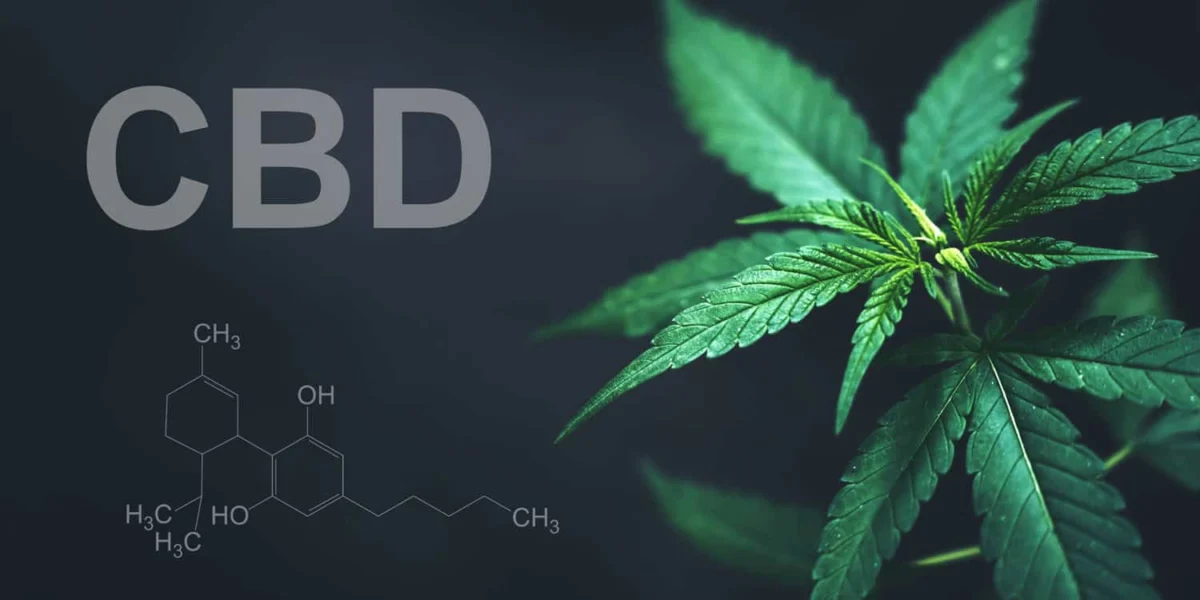
The research arrives at a critical juncture in pediatric neurology and psychiatry. Autism Spectrum Disorder (ASD) is a complex neurodevelopmental condition characterized by challenges with social interaction, repetitive behaviors, and communication. According to the Centers for Disease Control and Prevention (CDC), approximately 1 in 36 children in the United States is diagnosed with ASD, a figure that has seen a steady increase over the past two decades. Despite the prevalence of the condition, the medical community has long grappled with a lack of pharmacological treatments specifically designed to address the core social difficulties of autism. Current FDA-approved medications, such as certain antipsychotics, are primarily used to manage irritability and aggression rather than fostering social engagement, and they often carry a heavy burden of side effects, including significant weight gain, sedation, and metabolic changes.
The Biological Foundation: The Endocannabinoid System
To understand why CBD is being investigated for autism, it is necessary to examine the human endocannabinoid system (ECS). This intricate network of neurotransmitters and receptors is distributed throughout the central and peripheral nervous systems. The ECS plays a fundamental role in maintaining homeostasis, regulating everything from sleep and appetite to mood and social cognition. Specifically, the ECS is involved in the modulation of the "reward" pathways of the brain that make social interaction pleasurable.
Preclinical and emerging clinical evidence suggests that the endocannabinoid system may function differently in individuals with autism. Some studies have indicated lower levels of anandamide—an endogenous cannabinoid often referred to as the "bliss molecule"—in children with ASD. This biological discrepancy has led scientists like Nina-Francesca Parrella and her team at Deakin University’s Cognitive Neuroscience Unit to hypothesize that plant-derived cannabinoids, such as CBD, could help stabilize these chemical signals. Unlike tetrahydrocannabinol (THC), CBD is non-intoxicating, meaning it does not produce the "high" associated with cannabis, making it a more viable candidate for pediatric use.
Rigorous Methodology: The 32-Week Crossover Trial
The Deakin University study utilized a randomized, double-blind, placebo-controlled crossover design, which is widely considered the gold standard in clinical research. This structure is particularly effective because it allows each participant to serve as their own control, minimizing the impact of individual biological differences.
The trial involved twenty-nine children, ages seven to twelve, with a mean age of approximately nine and a half. The cohort included eighteen boys and eleven girls, reflecting the gender diversity within the spectrum. The study was conducted over a comprehensive thirty-two-week period, structured as follows:
- Phase One (12 Weeks): Half of the participants received a weight-based dose (10mg/kg/day) of broad-spectrum CBD oil, while the other half received a placebo oil that was identical in appearance, smell, and taste.
- Washout Period (8 Weeks): A critical two-month break was implemented to ensure that all traces of the initial treatment were cleared from the participants’ systems, preventing any "carryover" effects.
- Phase Two (12 Weeks): The groups were switched. Those who previously took the placebo were given the active CBD oil, and those who had the CBD oil were moved to the placebo.
The CBD oil used was a medical-grade, broad-spectrum formulation. Crucially, it included natural terpenes—aromatic compounds found in the cannabis plant—but contained near-zero levels of THC. This "broad-spectrum" approach is often favored in research because of the "entourage effect," the theory that various cannabis compounds work better together than in isolation, even without the presence of intoxicating ingredients.
Quantitative Findings and Statistical Nuance
The researchers employed several standardized diagnostic tools to measure the impact of the treatment. The primary measure was the Social Responsiveness Scale, Second Edition (SRS-2), a comprehensive questionnaire that identifies social impairment associated with autism.
During the CBD phase, children’s scores on the SRS-2 dropped by an average of seventeen points, indicating an improvement in social symptoms. In comparison, during the placebo phase, scores dropped by only seven points. While the ten-point difference between the two phases is clinically interesting, the small sample size of twenty-nine children meant the result did not reach the level of statistical significance (p-value) required to definitively claim success on the primary endpoint.
However, the secondary measures—which look at more specific aspects of behavior—yielded more definitive results. Using the Developmental Behavior Checklist, Second Edition (DBC-2), researchers observed:
- Significant Improvement in Social Relating: Children showed a greater willingness to engage with others and a higher frequency of successful social interactions.
- Reduced Anxiety Symptoms: A measurable decrease in the behaviors associated with anxiety, which is a frequent and debilitating comorbidity for autistic children.
In contrast, the Vineland Adaptive Behavior Scales (VABS-3), which measures functional life skills like getting dressed or basic communication of needs, showed no significant change. This suggests that while CBD may improve the "emotional" and "social" willingness of a child, it does not necessarily alter their cognitive or motor-based adaptive skills in the short term.
The Human Element: Impact on Parental Stress
One of the most profound findings of the study was the impact on the family unit. Parenting a child with autism often involves navigating high-stress environments, managing unpredictable behaviors, and dealing with a lack of community support. This chronic stress can lead to burnout and physical health issues for caregivers.
The researchers used the Autism Parenting Stress Index (APSI) to track the well-being of the participants’ parents. The data revealed that during the twelve weeks their children were taking CBD, parents reported significantly lower levels of stress. This improvement in the domestic atmosphere is a vital metric; when a child is less anxious and more socially receptive, the emotional burden on the entire household is lessened. This creates a positive feedback loop: a calmer parent can better support a child, and a more engaged child reduces parental anxiety.
Safety, Tolerability, and Side Effects
Safety is the paramount concern when introducing cannabinoid-based therapies to children. The Deakin University trial reported that the broad-spectrum oil was generally well-tolerated. Only two participants reported mild gastrointestinal discomfort.
Nina-Francesca Parrella noted that the stomach issues might not have been caused by the CBD itself, but rather by the carrier oil—Medium-Chain Triglyceride (MCT) oil—which is commonly used in these formulations and can sometimes cause digestive sensitivity. One participant with a history of gastrointestinal issues withdrew, but the other continued the study after their system adjusted. Importantly, there were no reports of the "brain fog," lethargy, or increased appetite often associated with other pharmacological interventions.
Expert Analysis and Future Implications
The results of this pilot trial serve as a "proof of concept" rather than a final verdict. The scientific community remains cautious but optimistic. The fact that social relating and anxiety improved suggests that CBD might be targeting the underlying emotional dysregulation that often prevents autistic children from utilizing the social skills they possess.
"What we found is promising but quite preliminary," Parrella stated. She emphasized that the study was a pilot, designed to pave the way for larger, multi-site trials. The goal of future research will be to determine if higher doses might yield even stronger results on the primary social communication scales, or if the current dosage is the "sweet spot" for balancing efficacy and safety.
Furthermore, there is a growing need to distinguish between medical-grade CBD and "over-the-counter" products found in health food stores. Store-bought CBD is often unregulated, and its purity and concentration can vary wildly from bottle to bottle. The researchers cautioned that parents should not attempt to replicate the study’s results with unverified products and should always seek medical supervision when considering cannabinoid therapies.
Conclusion: A New Horizon for Neurodiversity
The Deakin University study contributes a vital piece to the puzzle of autism care. It highlights a shift in focus from "curing" autism to "supporting" the individual. By reducing anxiety and fostering social relating, CBD oil may offer a way to improve the quality of life for children and their families without the harsh side effects of traditional medications.
As the scientific community seeks funding for larger trials, the conversation around medicinal cannabis continues to evolve. For the families involved in this trial, the data represents more than just numbers on a page; it represents the potential for a calmer, more connected life. The study serves as a call to action for more rigorous, large-scale investigation into how the endocannabinoid system can be harnessed to support neurodivergent populations across the globe.