Nila Kartika Wati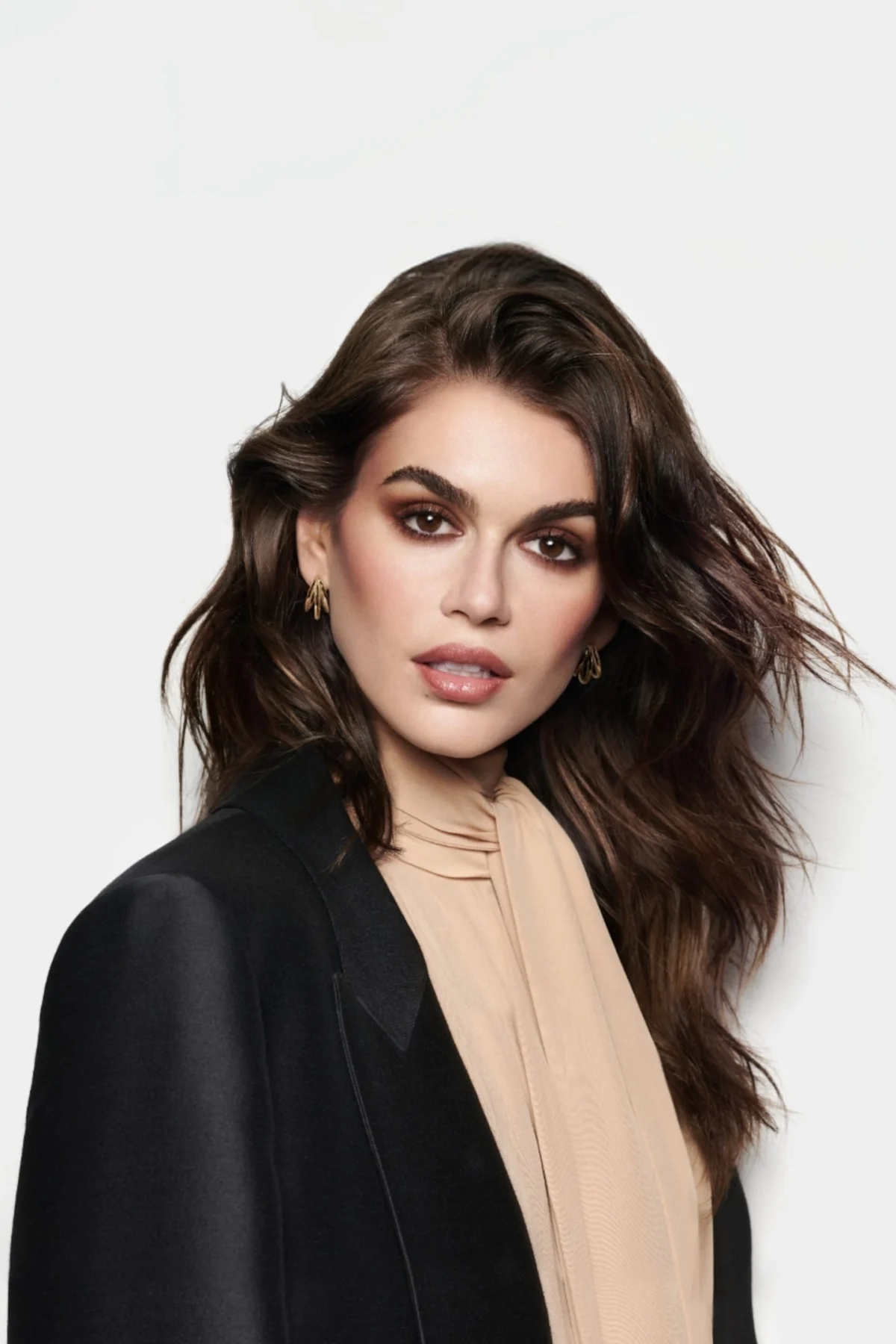
The global beauty industry, a behemoth valued at over $500 billion, is in a constant state of flux, driven by relentless innovation, shifting consumer preferences, and an increasingly crowded marketplace. Within this dynamic landscape, complexion products, particularly foundations and concealers, have long been a cornerstone of brand identity and revenue. For Nars Cosmetics, a brand that built its formidable reputation on pioneering shade inclusivity and offering high-performance formulas, its latest foundation launch represents a strategic gambit to reaffirm its standing as a category leader. However, the path to maintaining dominance in the fiercely competitive beauty arena has never been more arduous, with established players and disruptive newcomers alike vying for consumer attention and market share.
A Strategic Return to Core Competencies
Nars’ new foundation, reportedly its most significant product debut in several years, is a deliberate attempt to leverage its heritage and expertise in complexion. The brand, founded by François Nars in 1994, has consistently championed a philosophy of enhancing natural beauty through innovative formulations and a broad spectrum of shades. The original Nars Sheer Glow Foundation, launched in 2000, was a watershed moment in the industry, lauded for its buildable coverage, natural finish, and an unprecedented range of 20 shades – a number that was revolutionary at the time. This early success laid the groundwork for Nars’ enduring association with high-quality, versatile base makeup.
The current launch, reportedly focusing on a "Natural Matte Longwear Foundation," signals a return to Nars’ core strengths. The choice of a matte, long-wearing formula is a strategic one, catering to a significant segment of consumers who prioritize longevity and a polished, shine-free finish, particularly in an era where professional photography and social media filters have set a high bar for flawless complexions. The campaign, featuring model and actress Kaia Gerber, who is in her second major outing as the brand’s ambassador, aims to capture a modern, sophisticated aesthetic that aligns with Nars’ brand image. Gerber’s appeal to a younger demographic, while maintaining an air of timeless elegance, is a calculated move to attract both existing Nars loyalists and a new generation of beauty consumers.
The Evolving Landscape of Complexion Products
The beauty market for foundations and concealers has undergone a dramatic transformation in the past decade. What was once dominated by a handful of legacy brands has evolved into a complex ecosystem featuring:
- Mass Market Innovation: Brands like Maybelline, L’Oréal Paris, and Revlon have significantly expanded their shade ranges and introduced sophisticated formulations, challenging the premium segment on accessibility and performance. For instance, Maybelline’s Fit Me! Matte + Poreless Foundation has achieved cult status for its affordability and effectiveness.
- Indie Brand Disruption: Brands like Fenty Beauty, launched by Rihanna in 2017, redefined industry standards with its initial launch of 40 foundation shades, forcing established players to re-evaluate their inclusivity strategies. Fenty Beauty’s Pro Filt’r Soft Matte Longwear Foundation quickly became a global phenomenon, setting a new benchmark for shade diversity and marketing.
- Clean Beauty Movement: Consumers are increasingly scrutinizing ingredient lists, driving demand for "clean" and "natural" formulations. Brands like Ilia Beauty and Kosas have gained significant traction by offering foundations that prioritize skincare benefits and ethically sourced ingredients, blurring the lines between makeup and skincare.
- Direct-to-Consumer (DTC) Brands: Online-native brands have leveraged social media and influencer marketing to build loyal followings and offer personalized recommendations, often at competitive price points.
- Shade Inclusivity as a Baseline: What was once a differentiator is now a minimum expectation. Brands that fail to offer a comprehensive shade range risk alienating large segments of the consumer base. Data from market research firms consistently shows that shade inclusivity is a primary purchasing driver for foundation and concealer.
Nars’ Historical Trajectory and the Need for Reinvigoration
Nars Cosmetics, acquired by Shiseido in 2000, has a rich history of innovation in complexion. Beyond the Sheer Glow Foundation, the brand has introduced successful products like the Radiant Creamy Concealer, which remains a perennial bestseller and a go-to for makeup artists worldwide. However, in recent years, the relentless pace of new launches from competitors, coupled with evolving consumer expectations around ingredients, sustainability, and digital engagement, has presented challenges.
The brand’s strategic decision to invest heavily in this new foundation launch can be seen as a response to these market dynamics. By focusing on a core product category where it has established expertise, Nars aims to:
- Reinforce Brand Identity: Reasserting its position as a leader in high-quality, performance-driven complexion products.
- Capture Market Share: Appealing to consumers seeking reliable, long-wearing matte formulas.
- Drive Innovation Narrative: Demonstrating that Nars continues to be at the forefront of beauty advancements.
Data and Market Context
The global foundation market is a significant contributor to the overall beauty industry. According to Grand View Research, the global foundation market size was valued at USD 17.0 billion in 2022 and is projected to grow at a compound annual growth rate (CAGR) of 5.2% from 2023 to 2030. Key market drivers include:
- Rising Disposable Incomes: Particularly in emerging economies, leading to increased spending on beauty products.
- Influence of Social Media and Beauty Bloggers: Creating demand for specific looks and product types.
- Growing Awareness of Personal Grooming: Driving the adoption of makeup products across wider demographics.
- Product Innovation: The continuous introduction of new formulations, shades, and finishes.
The matte foundation segment, specifically, has seen sustained demand. Consumers often seek matte finishes for oil control and a refined appearance, especially in warmer climates or for events requiring extended wear. However, the challenge lies in creating a matte formula that does not feel heavy, dry, or cakey, a balance Nars will undoubtedly aim to achieve with its new offering.
Potential Implications and Future Outlook
Nars’ success with this new foundation will hinge on several factors:
- Product Performance: The formula must deliver on its promise of natural matte finish, long wear, and comfortable wearability across a diverse range of skin types and tones. User reviews and professional endorsements will be critical.
- Shade Range: While Nars has a history of shade inclusivity, maintaining and potentially expanding its offering in line with current industry expectations is paramount. A comprehensive shade range from the outset is crucial for broad market appeal.
- Marketing and Distribution: Effective marketing campaigns, leveraging both traditional and digital channels, will be essential. The partnership with Kaia Gerber provides a strong visual anchor, but wider influencer engagement and strategic retail partnerships will amplify its reach. The brand’s presence in both prestige department stores and its own retail channels, alongside a robust e-commerce strategy, will be key.
- Competitive Response: Competitors are unlikely to stand still. Existing leaders will likely counter with their own innovations or promotional efforts, while new entrants will continue to challenge the status quo.
The beauty industry operates on a cyclical basis, with trends emerging, peaking, and evolving. Nars’ investment in a foundational product category demonstrates a strategic long-term vision. If the Natural Matte Longwear Foundation resonates with consumers and delivers on its performance claims, it could significantly bolster Nars’ market position and solidify its reputation as a brand that consistently delivers excellence in complexion makeup, proving that even in a saturated market, a well-executed product can still capture significant attention and loyalty. The brand’s ability to adapt to the rapidly changing consumer landscape, while staying true to its core values, will ultimately determine its sustained success.