Nila Kartika Wati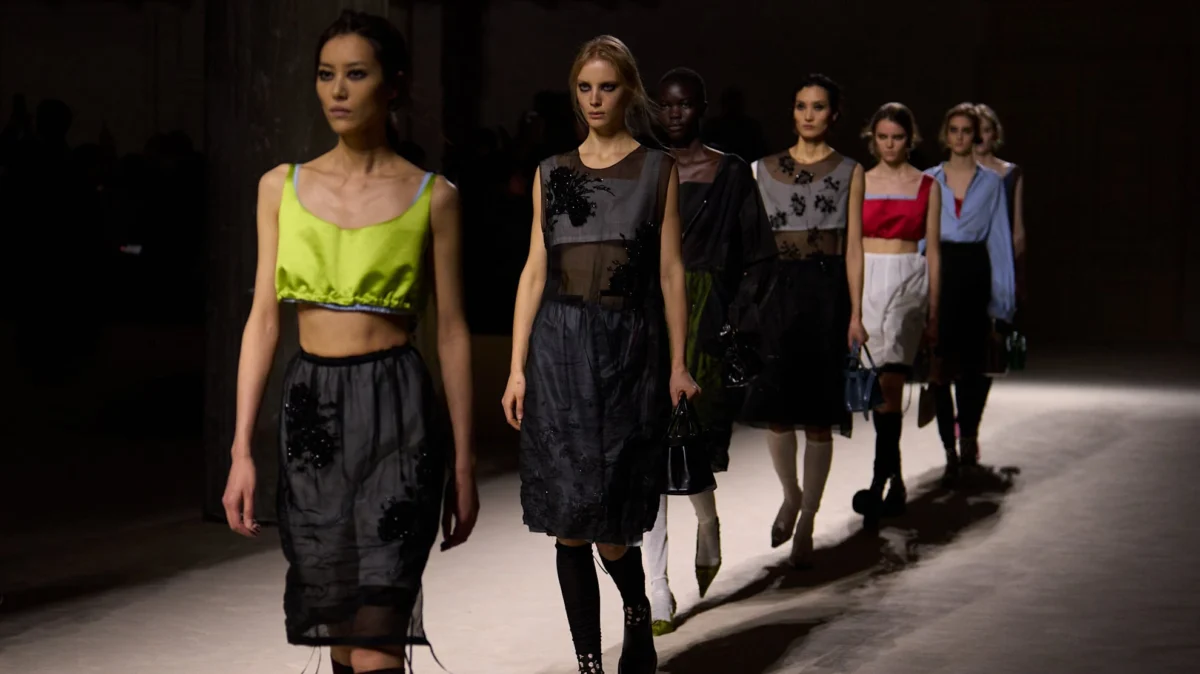
The third day of Milan Fashion Week Autumn/Winter 2026 unfolded as a profound exploration of identity, with luminaries such as Miuccia Prada and Raf Simons for Prada, Meryll Rogge, and the inheritors of the Armani legacy, Silvana Armani and Leo Dell’Orco, presenting collections that offered compelling commentary on selfhood in a rapidly evolving world. Against the backdrop of a meticulously curated schedule that showcased the vanguard of Italian and international design, these houses delved into the multifaceted nature of identity, prompting reflection on how we present ourselves, construct our personas, and navigate the increasingly fluid boundaries of belonging.
Milan Fashion Week, a bi-annual cornerstone of the global fashion calendar, typically held in February for Autumn/Winter collections and September for Spring/Summer, serves as a critical platform for designers to unveil their latest visions. For the Autumn/Winter 2026 season, the event commenced on February 20th, with the third day, February 22nd, proving to be a particularly significant day for conceptual depth. The week, which runs until February 26th, features over 70 shows and presentations, drawing a global audience of industry professionals, buyers, press, and influencers. This season, amidst the usual fanfare and commercial imperatives, a discernible undercurrent of introspection emerged, with designers questioning the very essence of identity in an era characterized by digital avatars, cultural hybridity, and a heightened awareness of individual expression.
Prada: Deconstructing the Domestic and the Digital
Miuccia Prada and Raf Simons, co-creative directors of Prada, presented a collection that masterfully blurred the lines between the intimate and the public, the traditional and the avant-garde. Their Autumn/Winter 2026 offering appeared to dissect the concept of the "uniform" not as a means of suppression, but as a tool for constructing a deliberate self. Models were clad in sharply tailored coats, structured dresses, and refined knitwear, often rendered in muted, earthy tones. However, what at first appeared as sartorial simplicity was subtly subverted with unexpected details: utilitarian pockets that morphed into intricate embellishments, collars that stood with architectural precision, and hemlines that played with asymmetry.
The collection seemed to engage with the idea of the domestic sphere, referencing elements of traditional housekeeping attire and workwear, but recontextualizing them through a lens of elevated craftsmanship and intellectual rigor. This approach echoed Prada’s historical engagement with the "ugly chic" aesthetic, challenging conventional notions of beauty and desirability. The silhouettes were often strong and defined, suggesting a powerful inner core, yet the use of delicate fabrics like silk and fine wool introduced a layer of vulnerability and sensuality.
In an era where personal identity is increasingly curated online, Prada’s collection seemed to propose a return to a more tangible, perhaps even defiant, form of self-expression. The emphasis on quality, craftsmanship, and a considered approach to dressing suggested a rejection of fleeting trends in favor of enduring personal narratives. The designers’ consistent ability to provoke thought through their collections has consistently positioned Prada as a bellwether for cultural shifts within the fashion industry, with their Autumn/Winter 2026 showing no exception.
Meryll Rogge: The Fluidity of Persona
Meryll Rogge, a Belgian designer who has rapidly gained acclaim for her unique brand of elevated yet off-kilter luxury, continued her exploration of sartorial dissonance. Her Autumn/Winter 2026 collection seemed to investigate the ways in which we adopt and shed different personas throughout our lives. Rogge’s signature approach, which often juxtaposes unexpected materials and silhouettes, was evident in a collection that felt both familiar and disorienting.
One could observe the interplay of hard and soft elements: structured leather jackets paired with flowing, ethereal skirts; utilitarian workwear fabrics reimagined in delicate eveningwear silhouettes; and traditional tailoring disrupted by playful, almost childlike, embellishments. The color palette was sophisticated, featuring a blend of deep jewel tones, muted neutrals, and pops of unexpected color.
Rogge’s work consistently challenges the binary oppositions that often define fashion – masculine/feminine, formal/informal, everyday/extraordinary. Her Autumn/Winter 2026 collection felt like a direct commentary on the fluidity of identity in contemporary society. In a world where individuals can seamlessly navigate multiple roles and online presences, Rogge’s designs offer a sartorial language that embraces this inherent multiplicity. The collection’s ability to be both visually arresting and intellectually stimulating positions Rogge as a significant voice in the ongoing conversation about personal expression.
Armani: The Enduring Power of Self-Definition
Giorgio Armani, a titan of Italian fashion, presented his eponymous collection through the vision of his niece, Silvana Armani, and nephew, Leo Dell’Orco, who have been increasingly involved in the brand’s creative direction. Their Autumn/Winter 2026 offering was a testament to the enduring power of the Armani aesthetic, which has long been synonymous with understated elegance, impeccable tailoring, and a timeless approach to dressing.
The collection was characterized by its fluid silhouettes, luxurious fabrics, and a refined color palette dominated by shades of grey, black, navy, and deep burgundy. The signature Armani jacket, a symbol of sophisticated power, was reinterpreted with a softer shoulder and a more relaxed drape, reflecting a contemporary understanding of comfort and ease. Wide-leg trousers, flowing capes, and exquisitely crafted evening gowns exuded an effortless glamour.
While the Armani brand has consistently represented a certain polished ideal of identity, this season’s presentation, under the stewardship of Silvana Armani and Leo Dell’Orco, hinted at a subtle evolution. The inclusion of more fluid, gender-bending elements and a willingness to experiment with textural contrasts suggested a recognition of contemporary shifts in how identity is perceived and expressed. The collection offered a powerful counterpoint to the more experimental offerings, demonstrating that true individuality can also be found in the mastery of classic forms and the cultivation of an enduring personal style. Their continued commitment to the brand’s core values, while adapting to the present, underscores the enduring relevance of Armani’s vision.
The Broader Context: Identity in a Digital Age
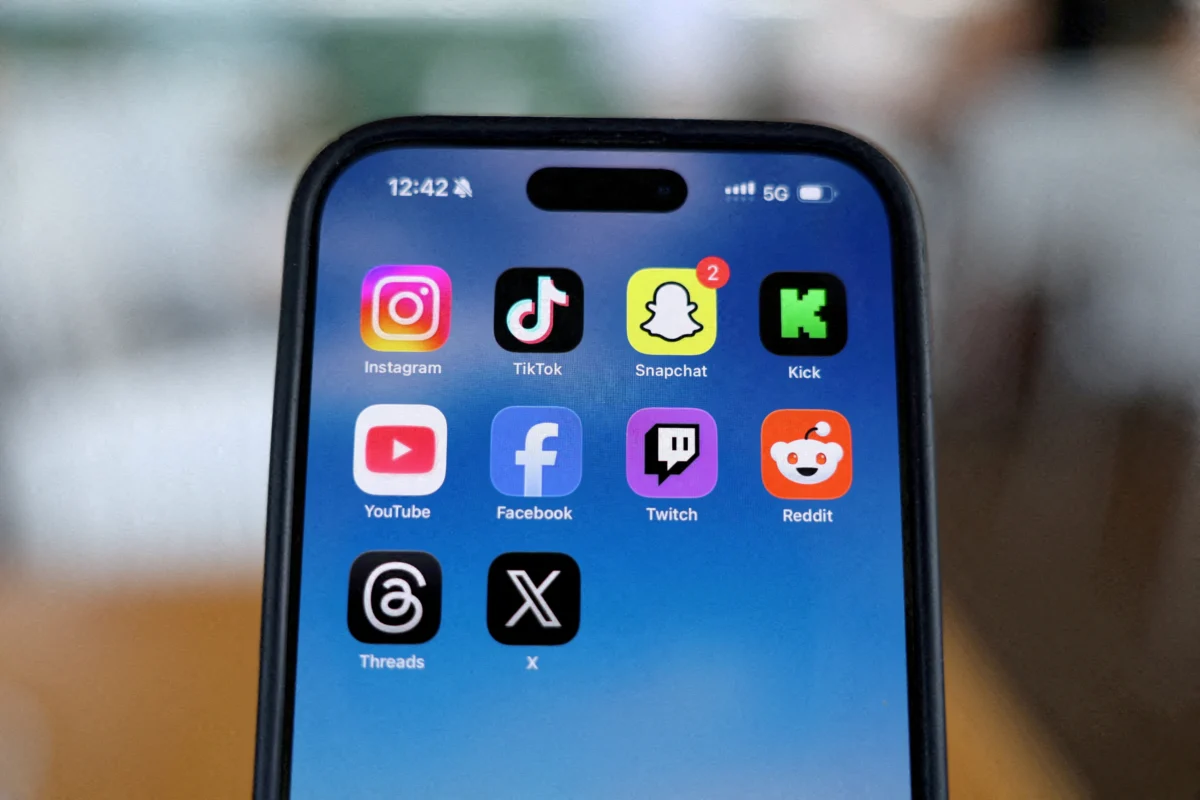
The focus on identity at Milan Fashion Week Autumn/Winter 2026 is particularly pertinent given the current socio-cultural landscape. The rise of social media, the metaverse, and increasingly sophisticated AI technologies have blurred the lines between the real and the virtual, leading to new ways of constructing and projecting identity. Consumers, especially younger generations, are increasingly seeking brands that align with their values and offer authentic expressions of self.
Supporting Data and Trends:
- The Rise of Personalization: Data from market research firms like McKinsey & Company consistently shows a growing consumer demand for personalized products and experiences. This extends to fashion, where individuals seek to express their unique identities through their clothing choices. A 2023 report by Edited highlighted that searches for "personalized fashion" have increased by over 50% in the past two years.
- Gender Fluidity and Inclusivity: The fashion industry has seen a significant shift towards gender-neutral and inclusive collections. Brands are increasingly recognizing the importance of offering options that cater to a diverse range of gender identities and expressions. According to a report by Business of Fashion, sales of gender-neutral clothing items grew by an average of 15% year-on-year between 2020 and 2023.
- The "Authenticity" Premium: Consumers are increasingly wary of brands that engage in superficial marketing. They are looking for genuine stories and ethical practices. A 2024 survey by Deloitte found that 60% of consumers consider a brand’s commitment to sustainability and ethical practices when making purchasing decisions, directly influencing their sense of self and belonging.
- Digital Identity and the Metaverse: The burgeoning interest in the metaverse and digital fashion presents new avenues for identity exploration. While physical collections remain paramount, the growing influence of digital self-representation cannot be ignored. Companies like Roblox and Decentraland have seen significant growth in virtual fashion sales, indicating a parallel universe of self-expression.
Analysis of Implications:
The designers showcasing at Milan Fashion Week Autumn/Winter 2026 are not merely creating clothing; they are engaging in a dialogue about what it means to be an individual in the 21st century. The collections from Prada, Meryll Rogge, and Armani, in their distinct approaches, collectively suggest that identity is not a fixed entity but a fluid, evolving construct.
For brands, this emphasis on identity presents both opportunities and challenges. Success in the current market requires a deep understanding of consumer desires for authenticity, inclusivity, and personal expression. Brands that can effectively communicate their values and offer products that resonate with these evolving notions of selfhood are likely to thrive. Conversely, those that fail to adapt risk becoming irrelevant in a landscape where individual identity is paramount.
The collections from these esteemed houses offer a compelling narrative: in a world saturated with external influences and digital projections, the true power of fashion lies in its ability to empower individuals to define, express, and ultimately, embrace their authentic selves. The ongoing dialogue initiated by these designers at Milan Fashion Week will undoubtedly shape the future trajectory of the fashion industry, prompting further innovation and a deeper consideration of the multifaceted nature of human identity. The industry’s continued engagement with these complex themes underscores its role not just as a purveyor of trends, but as a mirror reflecting and shaping the very essence of who we are.